Original source: The Guardian
This article is an editorial summary and interpretation of that content. The ideas belong to the original authors; the selection and writing are by Streamed.News.
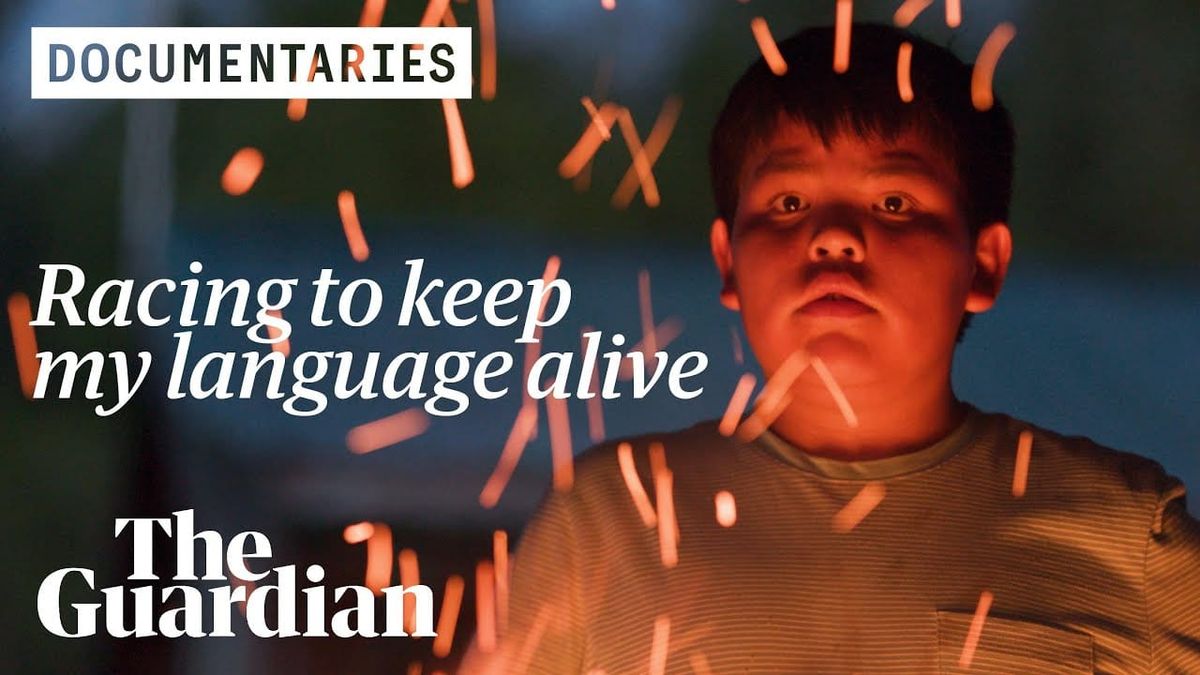
This video from The Guardian covered a lot of ground. 6 segments stood out as worth your time. Everything below links directly to the timestamp in the original video.
This story illustrates how personal experiences of discrimination can fuel powerful acts of cultural affirmation, providing a model for how communities can nurture identity and pride in their youth.
Indigenous Woman Composes Empowerment Song for Youth After Childhood Bullying
Marvin recounts a painful experience from when she was 12 years old, enduring bullying in Vancouver for her Indigenous identity, which led to a prolonged struggle with self-acceptance. Driven by a desire to uplift others, she collaborated with her mother to compose a song aimed at making all children in their village feel proud of who they are. The lyrics they created powerfully declare, "We are Haida, we are strong, we are proud."
This initiative underscores the lasting impact of discrimination on Indigenous youth and highlights the crucial role of cultural expression and intergenerational collaboration in building resilience. By creating an anthem of self-worth, Marvin and her mother are actively counteracting negative stereotypes and fostering a strong, positive identity for younger generations within their community.
"I really wanted to compose a song that would make all of the children in our village feel good about who they are and this is the words that we came up with: 'We are Haida, we are strong, we are proud.'"
Haida Leader Underscores Community's Sole Responsibility for Language and Ceremony Preservation
A community leader reflects on a personal transformation from a self-described "lazy boy" who eschewed school to now holding a position of influence. This journey culminated in a profound realization: the Haida people alone bear the responsibility for safeguarding their distinct language and sacred ceremonies.
The speaker asserts that "nobody else is going to fight for our language" and emphasizes their unique position, stating, "We're the only Haida in the world." This declaration highlights the immense urgency and self-reliance inherent in maintaining their unique cultural heritage against external pressures, framing it as a collective duty.
"I soon realized that nobody else is going to fight for our language, no one's going to fight for our ceremony. We're the only ones, we're the only Haida in the world and that's it, we're all we got."
Indigenous Speaker Links Community Resilience to Language After Residential Schools Era
An Indigenous speaker reflects on the relatively recent history of residential schools, noting that these institutions were "in full swing" not long ago, and that speaking their native language could result in imprisonment. Despite these systemic efforts to suppress Indigenous cultures, the speaker emphasizes the continued presence and resilience of their community today.
This reflection underscores the enduring trauma and concerted attempts to eradicate Indigenous languages and traditions, while simultaneously celebrating language as a vital tool for survival and identity. The speaker highlights that the community's continued existence is a testament to the strength and perseverance found in maintaining cultural and linguistic ties.
"It wasn't that long ago residential schools were here in full swing. It wasn't that long ago we went to jail for speaking our language. We're still here, you know."
Indigenous Speaker Connects Language, Land, and Cognitive Development
A speaker explains that their Indigenous language is intrinsically "connected to the land," positing that engaging with nature stimulates different parts of the brain and enhances an individual's "being." The practice of taking children outdoors, away from digital distractions like Wi-Fi, is described as fostering this deeper cognitive and spiritual connection.
This perspective highlights an Indigenous understanding where language is not merely a communication tool but an integral part of the natural environment and human development. It suggests that a direct relationship with the land cultivates unique cognitive benefits and a richer sense of self, offering a holistic view of education that contrasts with modern screen-based learning paradigms.
"It's all connected, the language came from the land. We're able to go out onto the land, bring the kids so they're not on their Wi-Fi anywhere and they're forced to use a different part of their brain which brings out a different part of their being."
Indigenous Speaker Advocates for Universal Language Learning Among Youth
An Indigenous speaker expresses a strong desire for "all the kids to learn and speak the language," underscoring the belief that the community's continued existence is sustained through the "power of the language." This aspiration is shared within a cultural context enriched by traditional music and vocalizations, symbolizing the communal commitment to language revitalization.
This heartfelt plea for intergenerational language transfer reflects a widespread effort within Indigenous communities to reclaim and revitalize their linguistic heritage, which has often been diminished by historical policies. Ensuring that younger generations speak their ancestral language is seen as crucial for maintaining not only communication but also cultural identity, traditional knowledge, and community cohesion.
"I'd love for all the kids to learn and speak the language."
Indigenous Salmon Preparation Demonstrates Embodied Approach to Language Immersion
During a demonstration of traditional salmon cutting for barbecue, a speaker encourages the audience to deeply engage with the Indigenous language by "hearing the vibrations of 'Ha' within your body." This linguistic instruction accompanies the practical display of preparing the salmon, intertwining a culinary tradition with a sensory and spiritual language experience.
This moment highlights a holistic approach to cultural transmission, where practical skills like food preparation are integrated with the auditory and embodied aspects of language. The emphasis on feeling the "vibrations" suggests that language learning extends beyond mere words to an immersive, physical experience, reinforcing a deeper connection to cultural identity and traditional practices.
"The offering here is to just take in the language, really just to hear the vibrations of 'Ha' within your within your body."
Also mentioned in this video
- The segment features traditional vocalizations and music, highlighting a… (11:58)
- The speaker shares that singing helps them to ground themselves and provides a… (13:34)
Summarised from The Guardian · 23:54. All credit belongs to the original creators. Streamed.News summarises publicly available video content.
Streamed.News
This publication is generated automatically from YouTube.
Convert your full video library into a digital newspaper.
Get this for your newsroom →