Original source: The Guardian
This article is an editorial summary and interpretation of that content. The ideas belong to the original authors; the selection and writing are by Streamed.News.
This video from The Guardian covered a lot of ground. 6 segments stood out as worth your time. Everything below links directly to the timestamp in the original video.
The search for new antibiotics in Earth's most extreme places could be key to combating the growing threat of drug-resistant superbugs, which already cause millions of deaths annually. Your future health might depend on the biodiversity hidden in remote salt flats.
Researchers Explore High-Andean Salt Flats for New Antibiotics to Combat Global Resistance
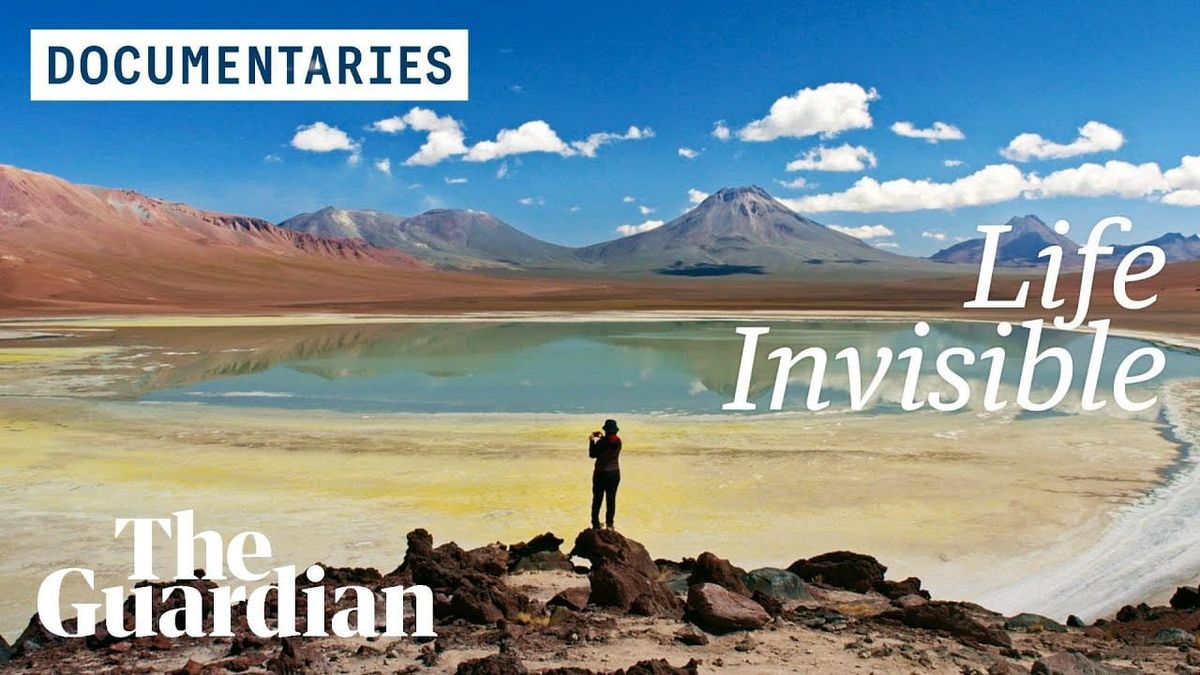
Microbiologists are exploring the Salar Laguna, Ela, a high-Andean salt flat situated 4,300 meters above sea level, to study its rich microbial diversity. Led by Professor Cristina Dorador, the team seeks to uncover novel antibiotic compounds within these extreme environments. This research is crucial in addressing the urgent global crisis of antibiotic resistance, where previously treatable infectious diseases are becoming fatal due to bacteria developing immunity to existing drugs.
The ongoing expedition highlights the potential of untouched, biodiverse ecosystems as a critical frontier in medicine. With widespread antibiotic misuse accelerating the evolution of drug-resistant pathogens, understanding and harnessing the unique biochemistry of organisms in extreme conditions offers a hopeful pathway to developing new treatments and preventing further deaths from common infections.
"It is super important that microbial diversity in extreme environments like salt flats can be understood, because the massive use of antibiotics over these last decades has led to bacteria that could previously be killed or treated with antibiotics, now cannot."
Scientist Warns Against Destroying Salt Flats for Consumer Goods Amid Global Antibiotic Crisis
Professor Cristina Dorador underscored the critical need for new antibiotics, stating that extreme environments like high-Andean salt flats are the most probable source for their discovery. She articulated a profound ethical dilemma facing humanity: whether to sacrifice these life-sustaining ecosystems, rich in potential medical breakthroughs, for the production of consumer goods such as mobile phones and electric car batteries.
Dorador's warning connects the immediate demand for technology-driven resources, particularly lithium, with the long-term threat of losing crucial biological resources. Her statement suggests a stark choice between short-term economic gains and the preservation of unique biodiversity that could hold the key to combating global health crises like antibiotic resistance, emphasizing the intrinsic value of these natural habitats for future generations.
"It is urgent to search for new antibiotics, and the most probable source to find them is precisely in extreme environments like salt flats. This poses an ethical dilemma: Are we willing to destroy the salt flats for consumer goods? Salt flats are life and also the source to save the lives of those to come."
Atacama Desert Expedition Targets New Antibiotics to Combat 5 Million Annual Deaths
Professor Cristina Dorador has launched an expedition into the high-Andean salt flats of Chile's Atacama Desert, aiming to discover novel antibiotic compounds and new medicines. This urgent scientific endeavor directly confronts the global crisis of antibiotic resistance, a phenomenon where bacteria have become immune to existing drugs, contributing to an estimated 5 million deaths worldwide each year.
The ongoing search for new antimicrobial agents underscores the severity of this public health threat, which is outpacing the development of effective treatments. By exploring the unique extremophile microbial life in these remote and ecologically distinct environments, researchers hope to find the next generation of drugs before the crisis escalates further, emphasizing the critical race against time in medical science.
"Currently, the planet is experiencing a global crisis of antibiotic resistance. There are bacteria that have become immune to antibiotics, and this contributes to the death of 5 million people each year. For this reason, it is so important that we do this work before it is too late."
Chilean Government Opens 18% of Salt Flats to Private Lithium Mining; Scientist Laments Potential Loss of New Antibiotics
The Chilean government has announced that 26 salt flats, comprising 18% of the nation's total, will be made available for private lithium mining initiatives. This decision, intended to expand Chile's role in the burgeoning lithium industry, has drawn a strong reaction from Professor Cristina Dorador, who described it as a "mournful acceptance of environmental damage."
Dorador expressed deep frustration, highlighting the potential irreversible loss of unique ecosystems that could harbor crucial, undiscovered antibiotic compounds. She warned that such development could destroy vital biological resources before they are even studied, underscoring the conflict between resource extraction for technology and the preservation of biodiversity critical for global health.
"It's like mourning to accept that indeed there are salt flats that are going to be damaged. Probably there was a key antibiotic there for the maintenance of people's lives and we weren't even able to study it or know it existed, and that also generates a lot of frustration for me."
Local Resident Laments Mining Damage to Ancestral Lands in Salas de Huasco, Citing Contamination and Lost Grazing
Pedro, a local resident, shared an emotional account of his connection to Salas de Huasco, describing it as his favorite place, while also detailing the severe negative impacts of mining activities on his community. He reported the loss of crucial grazing lands for his animals and widespread contamination from mining vehicles carrying acid and fuel, which he fears could leak and harm livestock.
Pedro expressed a profound sense of frustration and powerlessness, feeling that his community's concerns are consistently ignored. He indicated that the continuous disregard for their traditional way of life and environmental damage is pushing locals towards considering protests, highlighting the escalating conflict between resource extraction and the rights and livelihoods of indigenous communities.
"Miners have done us a lot of harm. They have taken away grazing areas from us... trucks with acid, with fuel, move around, and at some point, there has to be a leak, something, and the animals drink water there. All these things have harmed us a lot, but it's like we are not listened to."
Indigenous Communities Reject SQM-Codelco Lithium Deal, Citing Exclusion from Negotiations
An agreement between SQM and Codelco, which will allow the Chilean state to enter the lithium business, has met with strong disapproval from indigenous communities in San Pedro de Atacama. Leaders from these communities convened to express their opposition, alleging that the understanding memorandum was developed and signed without their essential participation, effectively making the deal behind their backs.
This rejection highlights the ongoing tension between national resource development and the rights of indigenous populations to consultation and self-determination concerning land use. The communities' stance underscores a broader struggle for equitable engagement and benefit-sharing in projects affecting their ancestral territories, particularly in regions rich in critical minerals like lithium.
"One cannot conceive of a memorandum of understanding without the participation of the communities."
Also mentioned in this video
- On day one, the team explores Laguna Jonas in the Atacama Salt Flat, observing… (1:44)
- Cristina Dorador reflects on past visits to San Pedro de Atacama, noting that… (7:56)
- Cristina Dorador expresses concern about the difficulty in accessing salt flats… (10:03)
- Cristina Dorador visits Laguna Lejía, a fascinating place over 4,000 meters… (14:31)
Summarised from The Guardian · 20:23. All credit belongs to the original creators. Streamed.News summarises publicly available video content.
Streamed.News
This publication is generated automatically from YouTube.
Convert your full video library into a digital newspaper.
Get this for your newsroom →