Original source: Pilot Debrief
This video from Pilot Debrief covered a lot of ground. Streamed.News selected 6 key moments and summarises them here. Everything below links directly to the timestamp in the original video.
A fatal plane crash serves as a stark reminder that the gap between meeting legal requirements and possessing true proficiency can have deadly consequences. What seems like a minor detail, such as not completely filling the oil, can erase the final margin for safety.
Aircraft Crashes Less Than a Mile From Runway After Engine Fails From Oil Depletion
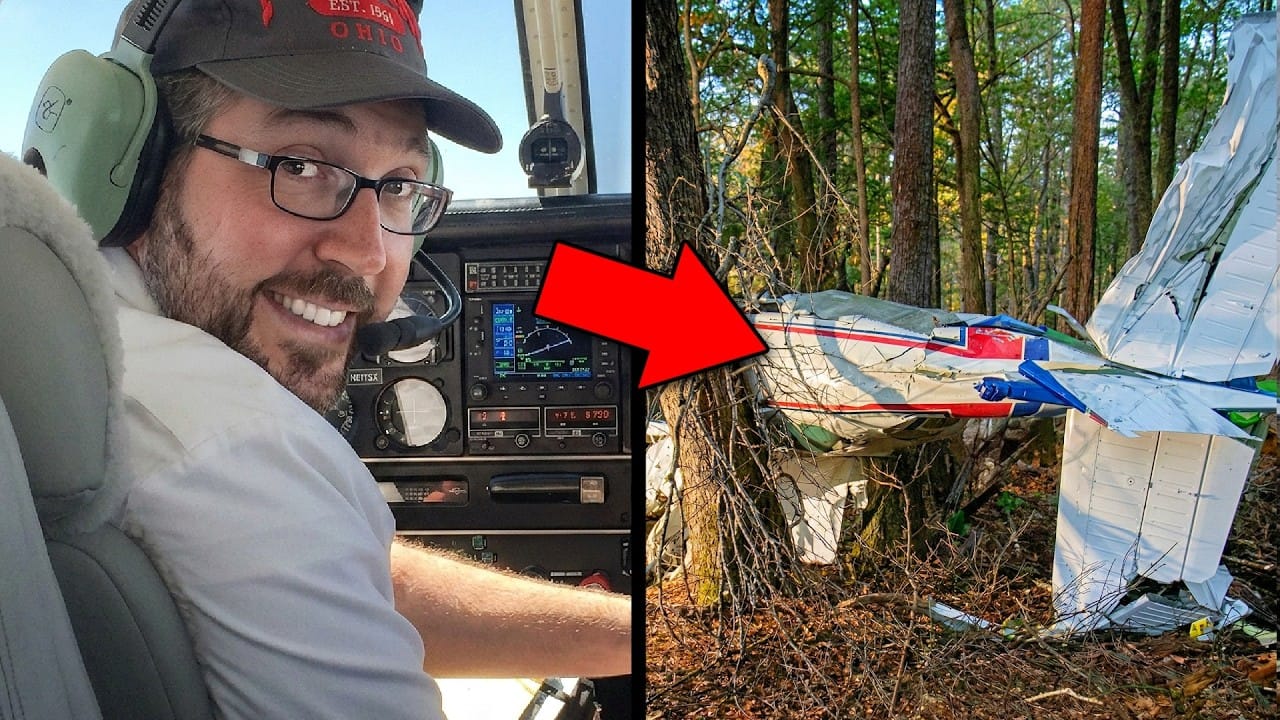
The emergency flight of N1995 Tango ended tragically when the aircraft crashed into trees less than a mile from the runway at Westchester County Airport, killing both men aboard. Final communications show the air traffic controller attempting to guide the pilot with last-second vectors before radar contact was lost. The investigation determined the direct cause of the crash was total engine failure after it ran out of oil, which had been leaking since a cylinder failed shortly after takeoff.
"As tragic as their story was, I hope that it's a powerful reminder that being legal doesn't mean being proficient. And even flights that you think might be routine can quickly turn into a deadly nightmare when all the margins for safety disappear."
Pilot Declares Emergency as Plummeting Oil Pressure Confirms Engine Failure Amid Disorientation
The flight situation escalated into a formal emergency as the pilot, Baruch, finally recognised a catastrophic engine problem indicated by rapidly dropping oil pressure. This confirmed that an earlier cylinder explosion was causing a continuous oil leak. Compounding the mechanical failure, the pilot showed signs of spatial disorientation, executing a hard right turn instead of following the controller's instructions to position the aircraft for an instrument-led approach to the runway.
"I am declaring an emergency. Our oil pressure is dropping."
Air Traffic Controller Issues Frantic Vectors to Guide Ailing Aircraft, Bypassing Standard Approach
With the aircraft's engine on the verge of failure, the air traffic controller abandoned a standard Instrument Landing System (ILS) approach and began issuing urgent, direct vectors to guide the plane to the ground. The controller, recognising the pilot had moments before the engine would quit entirely, attempted to position the aircraft for a visual landing by providing continuous headings and distances. The pilot, unable to see through the weather, was entirely dependent on these verbal instructions.
"Can you confirm to me those vectors, cuz I I can't see a thing out here."
Pilot Missed Clear Signs of Engine Trouble, Reporting Normal Instruments Minutes Before Crash
Despite the aircraft struggling to climb for over 15 minutes, the pilot, Baruch, reported to air traffic control that his instruments appeared normal. However, a post-crash investigation of flight data revealed persistent and unambiguous signs of severe engine trouble. From takeoff, the fuel flow was consistently above its maximum limit, and the oil temperature averaged an abnormally high 693 degrees. The pilot failed to notice these critical indicators.
"The point I'm trying to make is that he had all the indications that something was wrong, he just didn't see it."
Engine Failure Began Moments After Takeoff With Unnoticed 711-Degree Temperature Spike
The mechanical failure that led to the crash began just moments after takeoff, when the aircraft's number four cylinder head temperature spiked to 711 degrees, far exceeding the 460-degree redline. The temperature then dropped rapidly as the cylinder failed completely. This entire event, which lasted less than 90 seconds, went unnoticed by the pilot, Baruch. The subsequent poor climb performance was another early warning sign that was overlooked.
Pilot's Delayed Turn to Diversion Airport Eroded Critical Safety Margin
After identifying a "dead cylinder" as the cause of his aircraft's poor performance, the pilot, Baruch, made the correct decision to divert to Westchester County Airport. However, flight data shows a critical delay in his execution. After receiving instructions from air traffic control to turn to a heading of 340, the pilot continued flying straight for nearly two and a half minutes before initiating the turn toward the airport.
"Instead of turning, he continued straight ahead for almost 2 and 1/2 minutes before making that turn."
Also mentioned in this video
- The audio recording of a pilot's emergency declaration and final moments before… (0:00)
- The pilot, Baruch, had obtained an instrument rating 6 years prior to the… (0:30)
- Baruch and his friend were flying a 1976 Beechcraft A36 Bonanza from JFK to… (2:32)
- Baruch's lack of experience prevented him from recognizing the aircraft's poor… (6:14)
- Despite the controller's guidance, Baruch exhibited a lack of confidence and… (14:32)
Summarised from Pilot Debrief · 19:46. All credit belongs to the original creators. Streamed.News summarises publicly available video content.