🌐 Also available in: 🇫🇷 Français
Original source: TomBrendtCoach
This video from TomBrendtCoach covered a lot of ground. Streamed.News selected 4 key moments and summarises them here. Everything below links directly to the timestamp in the original video.
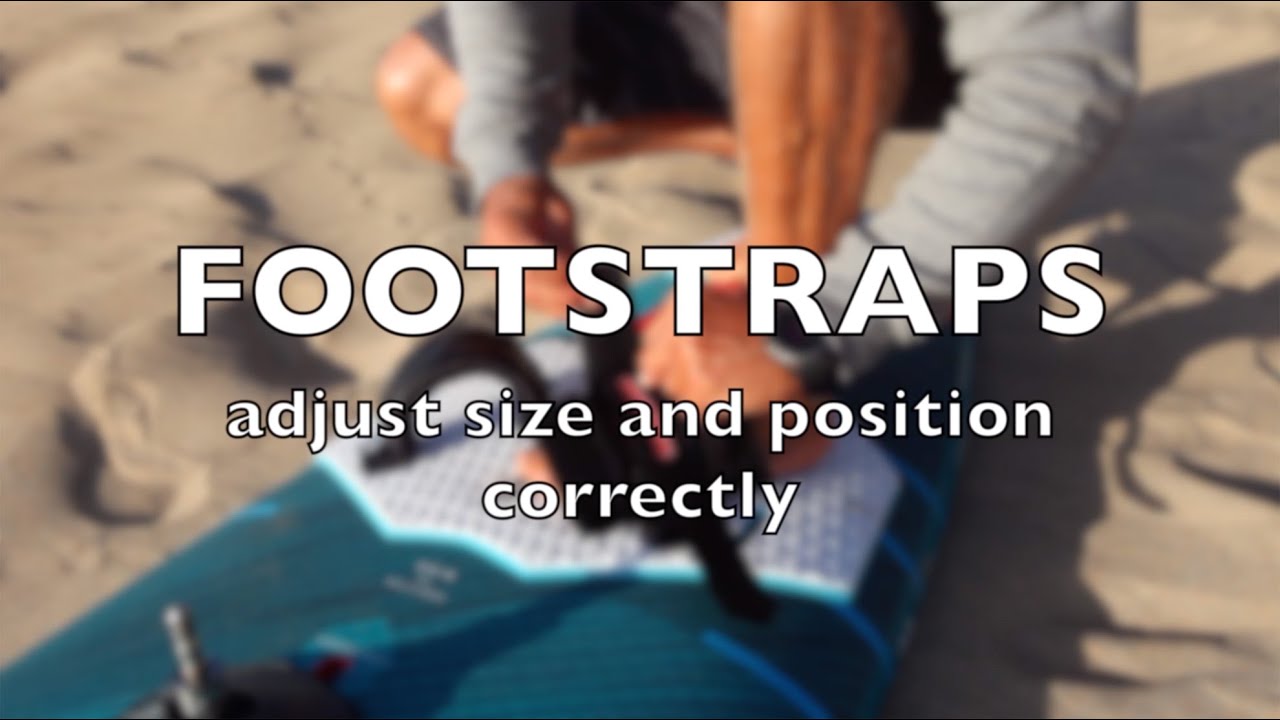
If you're struggling to maintain board connection during fast rotations or need a better forward-leaning stance for freestyle moves, your footstrap setup is the first place to look.
Freestyle Windsurfers Adopt High, Tight Footstraps for Rotation Control and Safety
New school freestylers should configure their footstraps to be much tighter and higher than in other disciplines. The objective is to create significant pressure on the sides of the foot with almost no contact on top. This setup is essential to prevent the board from detaching during the extremely fast rotations common in modern freestyle, a scenario that could lead to major injuries.
This specific configuration serves a dual purpose. It allows the foot to twist and turn inside the strap during a crash, which helps prevent joint and muscle damage. Additionally, the higher strap position makes it easier for the rider to lean their body forward towards the board's centre, a key body posture for executing nearly all new school freestyle maneuvers.
"You don't have almost any contact on top of your foot but quite a lot of pressure on the sides of your foot, so you're really solid in the strap for all the really fast spins."
📊 Technical data
Equipment: freestyle board
Wave Sailors Advised to Use Inboard, Oversized Footstraps for Carving and Airtime
For wave sailing, footstraps should be positioned as far inboard and centered as possible. Furthermore, they should be adjusted to be as large as possible, almost to the point of touching the leg, while remaining comfortable. This setup is critical for enabling the rider to easily rail the board from one side to the other, which results in smoother, more controlled carves at higher speeds.
This inboard configuration provides maximum board control during airtime, a frequent occurrence in wave sailing. However, the larger size also ensures that the rider can quickly and easily get rid of the board when a maneuver goes wrong, which is a vital safety feature in challenging conditions.
"You want to be as inboard and as centered as possible so you can rail your board from one rail to the other. You can carve your board easier; you have more control over the board, the rail, the carve with more speed."
📊 Technical data
Equipment: wave board
A Simple Guideline for Sizing Freemove Footstraps: The 'One Finger Width' Rule
Intermediate sailors on freemove boards benefit from placing their footstraps slightly more inboard than a full race setup. For sizing, a practical and repeatable guideline is recommended: adjust the strap so that you can see all of your toes, with enough space to fit one finger's width between your pinky toe and the strap itself.
This specific adjustment provides an ideal balance of control and comfort for sailors who are still progressing. It ensures the foot is secure enough for planing and maneuvers but not so tight that it becomes difficult to get in and out of the straps, which is crucial for building confidence.
"Adjust the footstrap size so that you can see all your toes plus one finger width between your pinky toe and the strap."
📊 Technical data
Equipment: freemove boards
For Maximum Speed and Control, Slalom and Freerace Footstraps Must Be Outboard
On free race or slalom boards, the footstraps should always be positioned in their furthest outboard setting. For optimal leverage, the rider's foot must be adjusted so the heel sits over the rail of the board. This stance is fundamental for exerting maximum pressure on the fin and rail, which is the key to maintaining control at top speed.
This aggressive, outboard foot placement is not optional but rather a requirement for high-performance sailing. A simple visual check can confirm the correct position: when in the strap, the rider should be able to see all of their toes on the inboard side of the strap.
"On a free race or slalom board you would position your footsteps all the way out and adjust your foot straps that your heel would be over the rail of your board for maximum control."
📊 Technical data
Equipment: free race board · slalom board
Summarised from TomBrendtCoach · 5:23. All credit belongs to the original creators. Tomb Brendt Coach summarises publicly available video content.