🌐 Also available in: 🇫🇷 Français
Original source: The WindsurfingTV Podcast
This video from The WindsurfingTV Podcast covered a lot of ground. Streamed.News selected 8 key moments and summarises them here. Everything below links directly to the timestamp in the original video.
The struggle to attract new talent isn't just about skill; it's about economics. What does it take for a sport to build a sustainable pipeline of female competitors?
Financial and Time Commitments Hinder Women's Participation in Freestyle Windsurfing, Says Oda Johanne
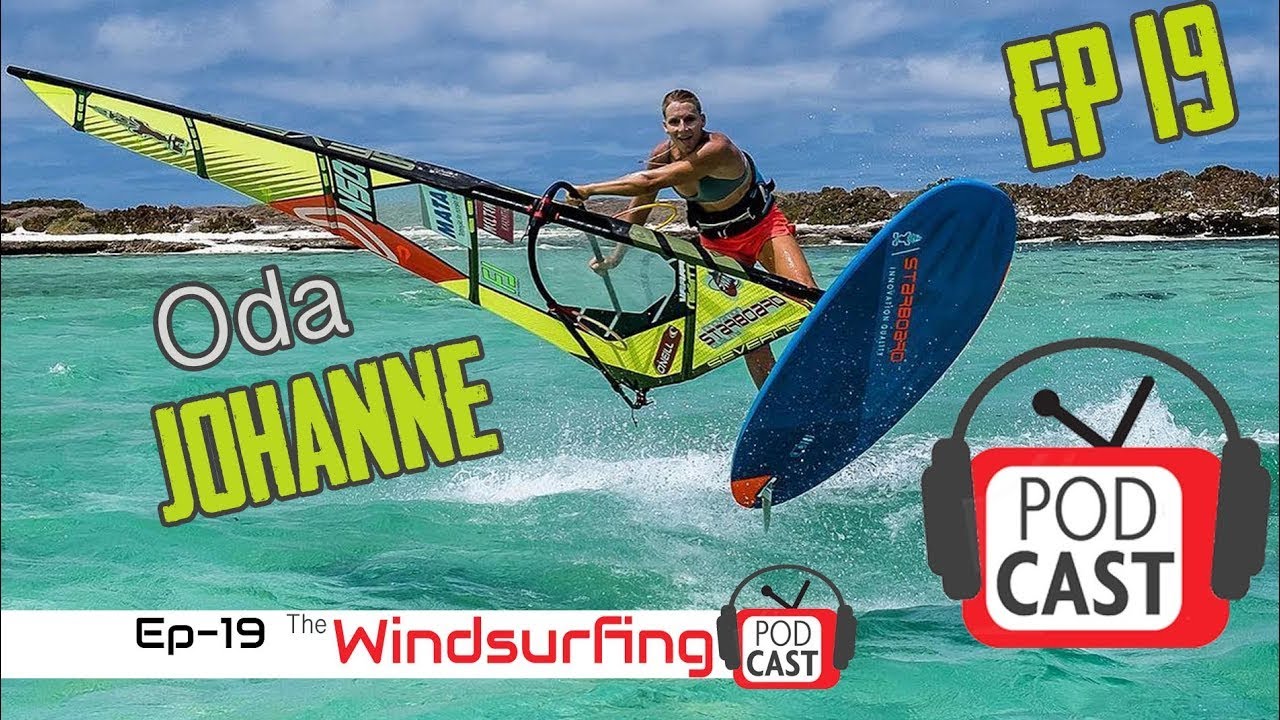
Professional windsurfer Oda Johanne identifies the significant time and financial investment required as the primary barriers for women entering freestyle windsurfing. The discipline demands extensive training in specific, windy locations, which is difficult to balance with a job or studies, creating a high barrier to entry for those without sponsorship or external support.
The implications of this are that the competitive field is limited, reinforcing the dominance of well-funded, full-time athletes like Sarah-Quita Offringa. Johanne views Offringa as an inspiration, but acknowledges the structural economic factors that make it difficult for new talent to emerge and challenge the top ranks.
"To get to beat her is very, very hard... at the moment I'm just taking her as an inspiration to get better myself."
Oda Johanne Argues for Equal Prize Money to Elevate Women's Windsurfing
Oda Johanne makes a strong case for equal prize money in professional windsurfing, arguing it is essential for the growth and professionalisation of the women's division. Drawing from her background in Norwegian handball, where she felt female athletes were equally respected, she contends that female windsurfers incur the same training, travel, and equipment costs as their male counterparts and assume the same risks.
We're seeing a dynamic where unequal pay creates a vicious cycle: less money means less time to train, which keeps the competitive level lower and limits participation. The implications of this are that equal pay is not just about fairness, but a strategic investment to raise the entire sport's calibre and attract more competitors.
"More women will have more time and more money to train more, and that's the only way you get a good level."
Technique Over Brute Strength: Oda Johanne on the Physics of Freestyle Windsurfing
In freestyle windsurfing, superior technique often outweighs brute strength, according to Oda Johanne. She argues that while being strong can help in executing aggressive maneuvers, learning the sport when younger and physically weaker forces an athlete to perfect their technique, as they cannot use muscle to compensate for flaws in their form.
It's about the notion that holistic fitness is more critical than pure power for the discipline's demands. Johanne advocates for varied training that includes balance and coordination to prepare the body for the unusual and unpredictable positions inherent to freestyle tricks, rather than focusing solely on traditional strength conditioning.
"When you are really weak, you learn the technique better because you cannot compensate with any strength."
A Surprise Fifth-Place Finish in 2013 World Cup Became Career 'Game Changer' for Oda Johanne
Oda Johanne recounts her hesitant entry into her first World Cup in 2013, a competition she nearly avoided. Concerned that competing would turn her passion into a high-pressure job similar to her former handball career, she was ultimately pushed to enter due to a lack of intermediate-level events. Despite feeling unprepared, she secured an unexpected fifth-place finish.
The implication of this result was profound, serving as a "game changer" that solidified her commitment to a professional windsurfing career. The experience underscored the value of competing even when feeling unready, marking a decisive turning point for her dedication to the sport.
"That year was like a game changer, actually. Then was the moment I realized that I actually want to... I want to push hard in this."
Analysis: Pay Disparity in Women's Sports Creates Vicious Cycle of Lower Participation
The discussion highlights a systemic issue where lower pay for female athletes creates a self-reinforcing cycle of depressed participation and skill levels. Less prize money and sponsorship means athletes have less time and fewer resources for full-time training, which in turn hinders the overall competitive level and discourages new talent from entering the sport.
This dynamic is not unique to windsurfing, with examples ranging from the massive pay gap between the NBA and WNBA to the pay parity achieved in professional tennis. The implications of this are that structural financial incentives, or the lack thereof, are a primary driver of a sport's competitive depth and growth potential.
"The level is lower because you're getting paid less, so it's like the chicken and the egg, kind of."
Specialised Clinics and Role Models Key to Growing Women's Professional Windsurfing, Says Oda Johanne
To foster the next generation of female professionals, Oda Johanne champions the creation of targeted girls' training clinics. She points to the success of camps run by accomplished athletes like the Moreno twins, which have been instrumental in developing a vibrant junior scene and cultivating young talent in a supportive environment.
It's about the notion that visibility and mentorship are crucial for growth. By providing dedicated spaces where young girls can train together and learn from top professionals, the sport can build a stronger community, create clear role models, and inspire more athletes to pursue a competitive career.
"I guess you just need really good role models and then there will be more new windsurfing talents out there."
Oda Johanne Calls for Creative Content and Targeted Sponsorships to Elevate Women's Windsurfing
Oda Johanne advocates for a more strategic approach to building the commercial profile of women's windsurfing. She suggests that creating inspiring videos and creative projects is crucial for showcasing the sport and the unique lifestyle of its female athletes, which can in turn attract a broader range of sponsors beyond the traditional industry brands.
The implications of this are a shift toward more sophisticated, niche marketing. Athletes should tailor their projects to brands that target female demographics, rather than using a one-size-fits-all pitch. Johanne cites her own Norwegian sponsors, who support her based on merit and her compelling story, as a model for this approach.
"I went to Brazil first time because I was watching Arrianne's* videos. She was ripping... for me that was very inspiring to watch those videos."
Windsurfer Oda Johanne Makes Surprise Bid for Olympic Foiling
In a significant shift, professional windsurfer Oda Johanne has decided to pursue an Olympic campaign in the new IQFoil class. The decision came in 2021 after a training session with an Olympic medalist, which sparked a desire to compete for a spot herself rather than remain a spectator.
We're seeing a dynamic where an established multi-disciplinary athlete is adding the rigorous demands of an Olympic campaign to an already packed schedule of slalom, freestyle, and wave competitions. This move highlights both the unique allure of the Olympic Games and the immense personal drive required to compete at the highest level across multiple formats.
"I don't want to be in the sideline and see other people in Norway trying to get into the Olympics when I could have tried it."
Summarised from The WindsurfingTV Podcast · 1:14:55. All credit belongs to the original creators. Windsurfing TV Podcast summarises publicly available video content.