🌐 Also available in: 🇪🇸 Español
Original source: Radio Con Vos 89.9
This video by Radio Con Vos 89.9 covered several topics. Streamed.News selected 5 key moments and summarises them here. Each section links directly to the moment in the original video.
How do rising disapproval figures affect governability and the economic decisions that directly impact your wallet and the country's future?
Milei's negative image reaches 66.2%, according to consultancy 3.0
President Javier Milei's negative image has climbed to 66.2%, while his positive image has fallen to 33%, according to an unpublished survey by Sheila Wilker's consultancy 3.0. 73.7% of the population rates the country's economic situation as bad or very bad, and more than half — 51.3% — expect it to worsen next year.
These figures reflect growing discontent with the government's economic management, with 40% of respondents reporting having taken on debt to cover monthly expenses. The perception of a bleak economic future could pose a significant challenge to the country's political and social stability in the coming months.
Polls suggest an open political landscape for 2027, with Milei trailing Kicillof and Bregman
New approval and voting-intention polls, including work by Sheila Wilker and Opina Argentina, reveal that President Javier Milei's positive image, at 33%, sits below that of Axel Kicillof and Miriam Bregman. In voting-intention scenarios, opposition forces — combining Peronism and the left — outpace La Libertad Avanza, suggesting a far more competitive electoral landscape heading into 2027 than the ruling party predicts.
This shift in public opinion contradicts the government's narrative downplaying a possible Peronist comeback and poses a direct challenge to Milei's perceived political invulnerability. The consolidation of opposition figures with higher positive ratings and the projection of a stronger combined opposition vote could reshape political strategies and alliances in Argentina.
Pakistan brokers ceasefire between the U.S. and Iran; Tehran presents 10 negotiating points
Pakistan has mediated a 14-day ceasefire between the United States and Iran, bringing a period of escalation to a close. Donald Trump announced acceptance of the ceasefire via Truth Social, arguing that military objectives had been met. Iran, for its part, responded with a more belligerent statement, proclaiming victory and presenting a 10-point list for negotiation, including an end to the war, the lifting of all sanctions, and a $2 million tax on every vessel transiting the Strait of Hormuz.
Although both sides accepted the truce, the disparity in their statements underscores underlying tensions and conflicting views on the conflict. Iran's demand for tolls in the Strait of Hormuz and an end to Israeli attacks in Lebanon introduces new elements that could complicate future negotiations and stability in an already volatile region.
"Our hands remain on the trigger and any mistake by the enemy will be met with the utmost firmness."
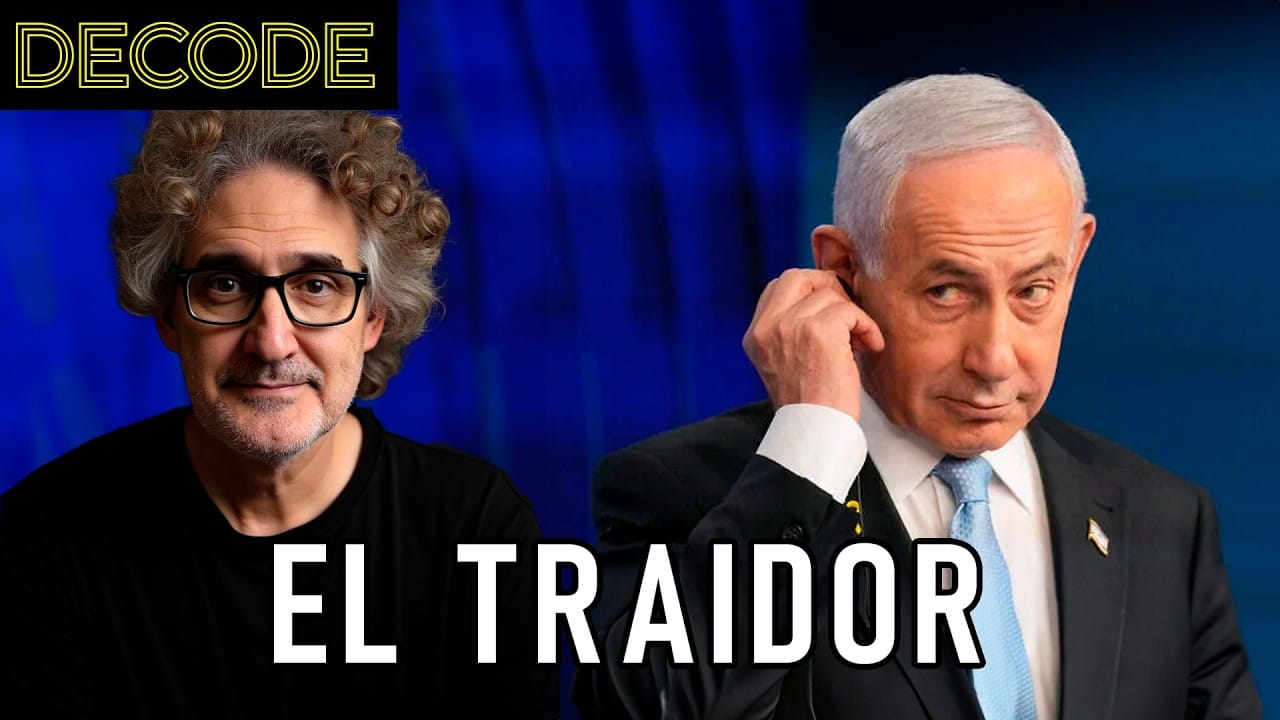
Netanyahu accepts truce with Iran but excludes Lebanon; White House circulates moderated version
Following the announcement of the ceasefire between the United States and Iran, the White House circulated an official Iranian statement that was significantly more moderate than Iran's original communiqué, which had been perceived as more bellicose. Israeli Prime Minister Benjamin Netanyahu, meanwhile, accepted the truce but with an explicit exclusion: Lebanon — adding a layer of complexity to the fragile regional stability.
The discrepancy between the statements and Israel's exclusion of Lebanon indicate that peace negotiations are delicate and still incomplete. The controversy on social media over the editing of Pakistan's tweet — which initiated the ceasefire request with the label "draft" — suggests possible external orchestration that could influence the perceptions of the parties involved.
Trump and Iran offer opposing narratives on the truce; Tehran claims the U.S. is seeking a way out
Following the Pakistan-brokered truce agreement, President Donald Trump claimed that Iran had yielded to U.S. threats, which would allow him to access Iranian oil and secure a stable regime in the region. Iran, by contrast, maintains that Trump is seeking an "elegant exit" from a conflict he himself started and lost, driven by rising oil prices and their negative impact on the U.S. economy and his electoral prospects.
These conflicting accounts reveal the complexity of the situation and the battle over the narrative on the international stage. Trump's difficulty in justifying his "triumph" over the reopening of the Strait of Hormuz — which was already operational before the conflict — underscores the gap between his claims and Iran's perception that the United States is acting from a position of weakness.
Summary of Radio Con Vos 89.9 · 43:41. All credit belongs to the original creators. Streamed.News summarises publicly available video content.