🌐 Also available in: 🇪🇸 Español
Original source: Perfil
This video from Perfil covered a lot of ground. Streamed.News selected 4 key moments and summarises them here. Everything below links directly to the timestamp in the original video.
Argentina's economic plan touts export success, but at what cost to jobs and consumption? This analysis explores if the model is sustainable or a repeat of past crises.
Milei's Model Generates Dollars, Destroys Jobs, Says Economist Álvarez Agis
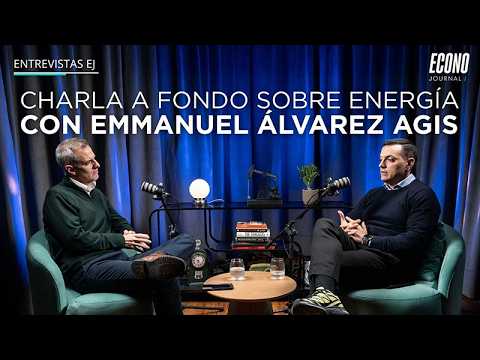
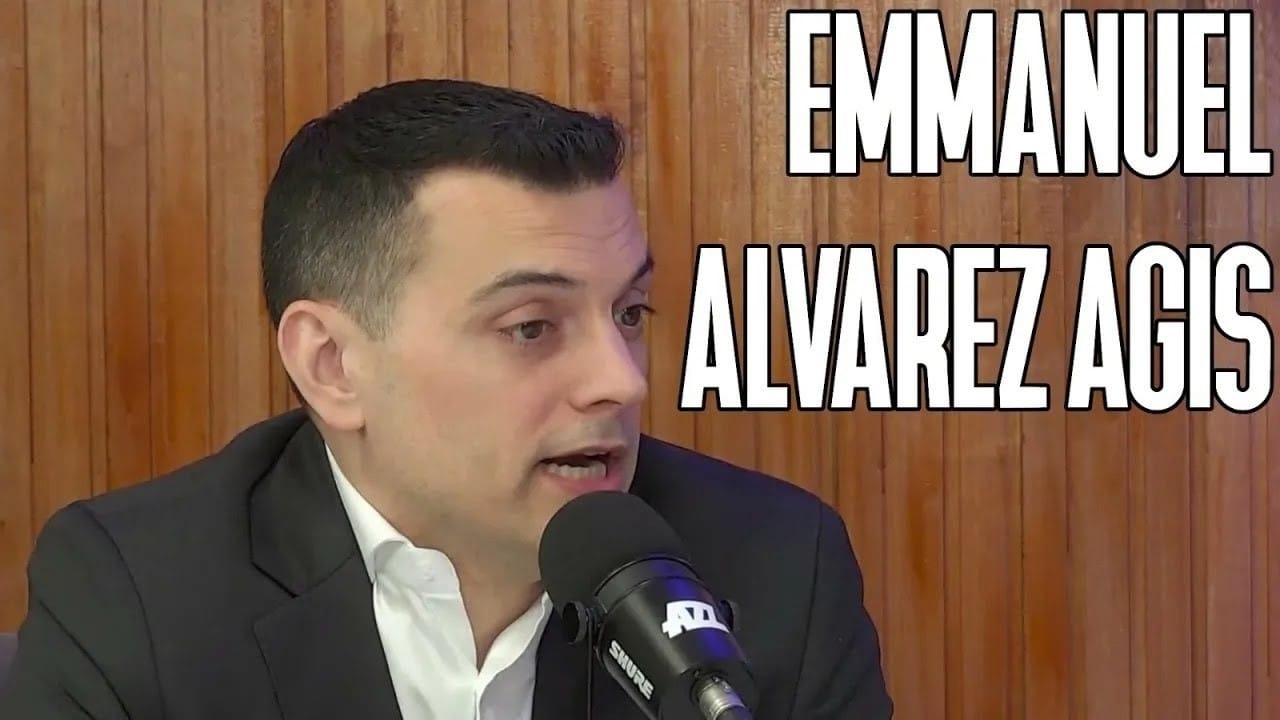
Economist Emanuel Álvarez Agis states President Javier Milei's economic model successfully grows dollar-generating sectors like agriculture, mining, and energy. While international funds praise this approach, it rapidly precariousizes the labor market. These sectors, despite high dollar productivity, create few jobs, leading to falling consumption. This dynamic jeopardizes the scheme's long-term social and political viability. Argentina must balance export growth with domestic market expansion within a democratic framework, Álvarez Agis argues. He compares this to the US "great moderation," where opening to China lowered prices but destroyed industrial jobs, fueling figures like Donald Trump. Argentina risks reverting to a model that sacrifices exports for fleeting consumption, inevitably causing a dollar crisis—a familiar cycle in its economic history.
"The model's sustainability problem emerges through employment and consumption. These sectors generate many dollars but very few jobs."
Álvarez Agis Cites Kalecki: Why Businesses Back Governments Hurting Their Profits
Economist Emanuel Álvarez Agis uses Michał Kalecki's theory to explain a paradox: why business leaders often oppose governments that boost economic activity and wages, yet support those, like Javier Milei's, that may harm their own profits. Kalecki, who predated Keynes, argued business owners feel uneasy when they lose control over the profit rate—the ratio of profitability to wages—even if their overall monetary profits grow. This need for control clarifies their support for policies that discipline the labor market, despite broader economic contraction. In contrast, the Chinese model demonstrates sustained growth because the state disciplines both labor and capital. Álvarez Agis cites Alibaba founder Jack Ma's nearly four-year disappearance after challenging financial regulations. This strict capital discipline, absent in Western democracies, allows China to expand its domestic market and exports without the distributive or political conflicts seen in economies like Argentina's, posing a competitive challenge to Western capitalism.
"Entrepreneurs felt very uncomfortable when they couldn't control the profit rate—the relationship between capital profitability and wages—even if the total mass of profits was growing."
Trump's Decisions Lack Strategy, Leave US Trailing China, Warns Álvarez Agis
Economist Emanuel Álvarez Agis warns that Donald Trump's government actions, like attacks on Iran, lack strategic planning and are counterproductive, not rational election tactics. Agis criticizes the "rationalization bias" often applied to Trump's decisions, stating they frequently lack logic. For instance, such attacks raise gasoline prices, directly harming US consumers—a key electoral demographic. Furthermore, polls show the American public does not support increased foreign military involvement. This US strategic vacuum sharply contrasts with China's long-term, five-year plans. Álvarez Agis asserts that while Washington reacts with improvised "shocks," Beijing steadily advances, outstripping its rival in naval capability, drone development, and control of strategic inputs like rare earths. From this perspective, the United States appears to be "running behind" an adversary that views the Trump administration as a transient footnote in its global ascent.
"Looking at the big picture, China's naval capacity, for example, is vastly larger and more efficient than the United States'. (...) Since Trump initiated this attack, I feel the United States is trailing."
Democracy forces Milei to speed economic opening, outpacing dictatorship
Democratic governments face election pressure, forcing faster economic adjustments than authoritarian regimes. This explains Javier Milei's drastic commercial opening. Economist Emanuel Álvarez Agis states democratic economic fixes bring “present pains for future benefits,” jeopardizing re-election. He cites Michał Kalecki: fascist systems have “no next government,” letting leaders like China's Xi Jinping or the USSR's Stalin execute long-term plans without electoral deadlines.
This contrasts Milei's policy with Argentina's last military dictatorship. The de facto regime took 36 months to open the economy; Milei aims for just 12. Álvarez Agis argues the dictatorship didn't face the polls. A democratic leader cannot tolerate a four-year plan generating instant public discontent. This electoral pressure compels rapid reforms, hoping to deliver results before the next vote, even with drastic consequences for industry and society.
"Argentina's dictatorship took 36 months to open its economy. Milei took just 12."
Also mentioned in this video
- Michael Kalecki: Political aspects of full employment (1:06)
- China's growth model vs. former Soviet Union (10:44)
- War with Iran & rising oil prices (25:02)
Summarised from Perfil · 33:50. All credit belongs to the original creators. Streamed.News summarises publicly available video content.