🌐 Also available in: 🇫🇷 Français
Original source: Squidge Rugby
This video from Squidge Rugby covered a lot of ground. Streamed.News selected 5 key moments and summarises them here. Everything below links directly to the timestamp in the original video.
Will this tactical evolution, spearheaded by Ibitoye's dynamic presence, finally unlock France's potential in the contestable kick, or will the absence of Dupont's unique range prove too significant a hurdle?
France's Kicking Game Shifts Without Dupont, Elevating Tay Ibitoye
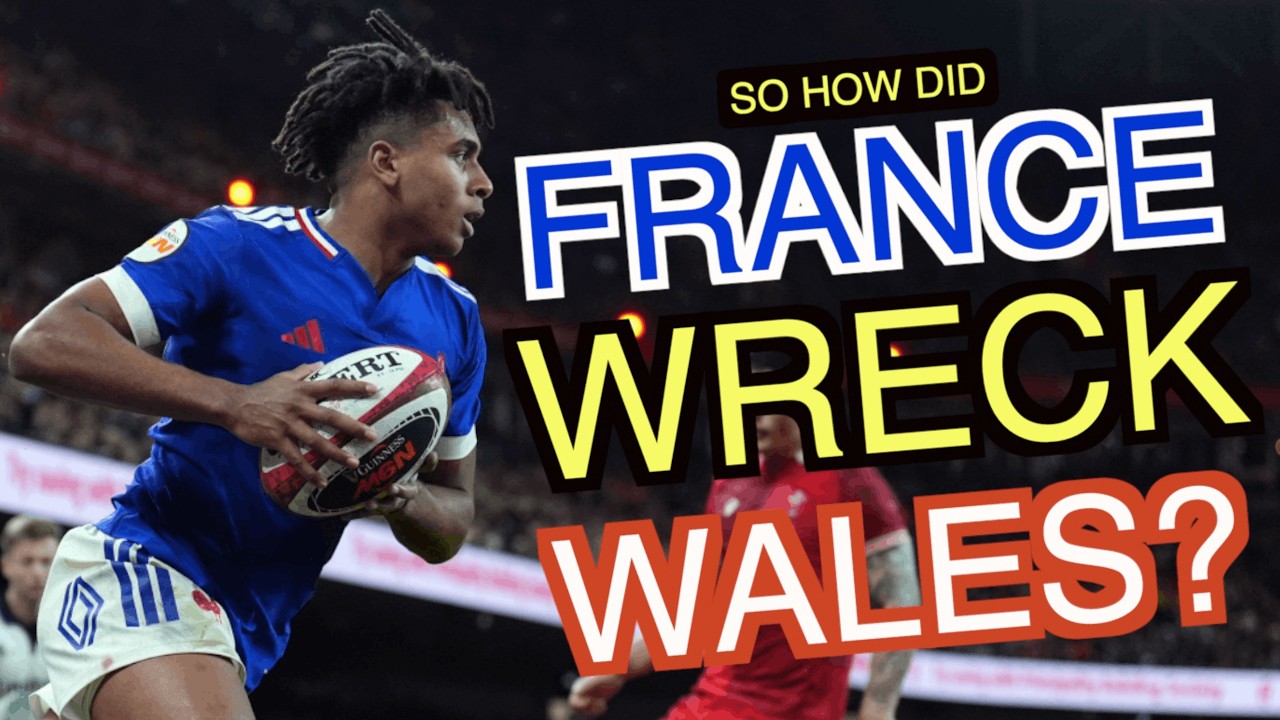
France is actively developing a more contestable kicking game, a strategic shift observed during campaigns without Antoine Dupont, notably in last year's Autumn Nations Series and the 2024 Six Nations. This approach contrasts with their traditional long kicking style, aiming to align with global rugby trends and adapt to their evolving squad.
The inclusion of Tay Ibitoye on the wing is a crucial component of this strategy, offering superior aerial skills and work rate compared to Damien Penaud. Ibitoye, recognized for his complete game and unconventional, impactful playmaking, has earned his starting spot on merit, providing France with a versatile asset capable of exploiting opposition backlines and bolstering their contestable kick returns.
"He is a proper [expletive] player who also has the hard work ethic, you know, and is brilliant under the high ball."
France Opts for Mobile Second Row and Impactful 6-2 Bench
France has demonstrated a distinct selection strategy in their second row, deploying mobile players like Shaolin Olivon and Mike Gara, who, while strong lineout jumpers, are not traditional 'beanpole' locks. This unconventional pairing prioritises versatility and defensive work rate over sheer size, suggesting a tactical emphasis on dynamic play across the park.
Further reflecting this strategic depth is France's 6-2 bench split, featuring impactful forwards such as Emmanuel Meafou and Lenny Nouchi. Meafou's potential as a late-game carrier and distributor, combined with Nouchi's athleticism and offloading ability, provides formidable options to change the game's momentum, particularly against teams that may underestimate France's late-game power.
"Not only that, but they have gone with the old Rassie style, stick two second rows on the bench instead of two back rows on the bench."
Ireland Employs Contestable Kicking for Exit and Pressure
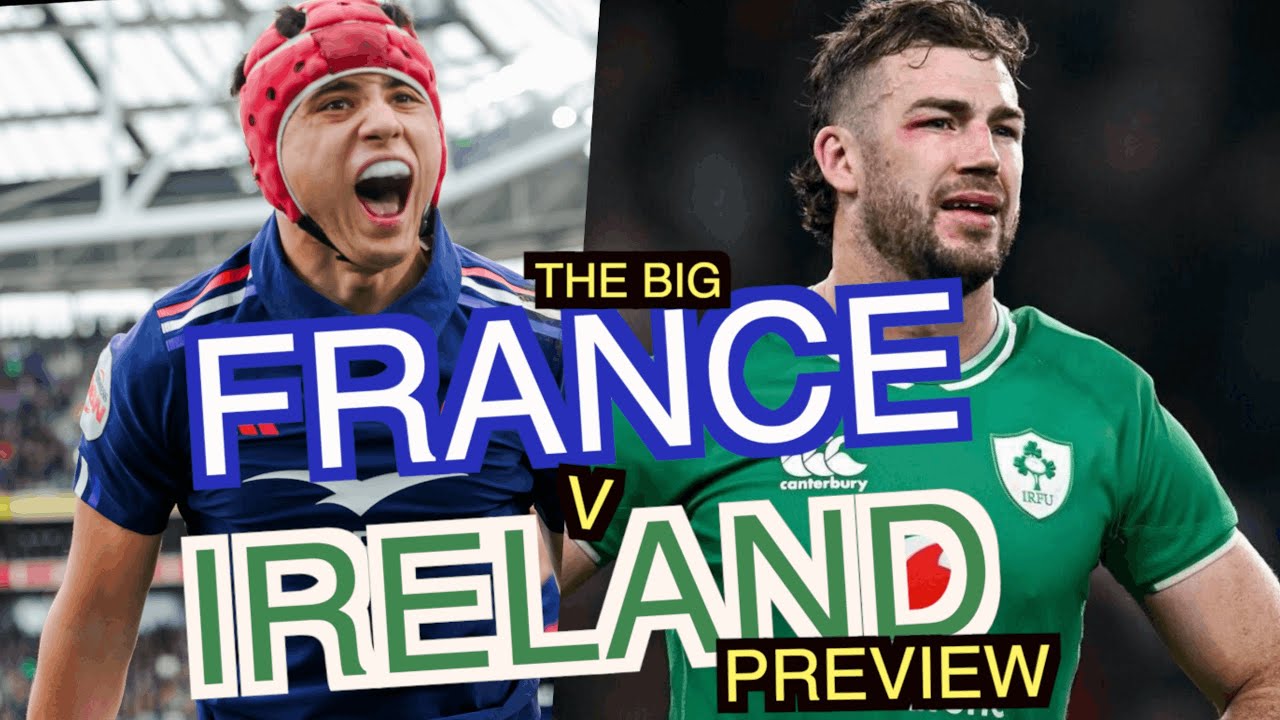
Ireland's kicking strategy has evolved to feature contestable kicks as a primary exit method and a tool for applying pressure, a tactic notably observed in their match against South Africa. Rather than purely seeking length, Ireland now prioritises hanging kicks to allow wingers like Tommy O'Brien to contest possession, aiming to regain the ball or establish defensive line speed in the opposition half.
This approach contrasts with France's preference for long kicks, which are more susceptible to charge-downs and can give possession away. Ireland's selection of breakdown 'blast' threats like Caelan Doris and Josh van der Flier further supports this kicking game, enabling them to quickly secure possession or apply immediate pressure after a contestable kick, even if the ball isn't immediately recovered.
"If they're not sending off the field though, broadly, instead of hitting as long as they used to, are now kicking contestably."
France Adapts Defense with Slower Line Speed Against Ireland's Flat Attack
France, under Sean Edwards' defensive coaching, is adapting its strategy against Ireland's intricate attack by demonstrating slower line speed and a more containment-focused defense. This tactical shift aims to mitigate the risk of line breaks against Ireland's penchant for intricate, short passing sequences, allowing France to remain connected and target the ball carrier at the end of phases rather than aggressively pushing the gain line.
The selection of Sam Prendergast at fly-half for Ireland, known for playing exceptionally flat to the line without carrying the ball aggressively, further influences this French defensive approach. Prendergast's style forces defenders to fixate on him, creating space for quick distribution and challenging conventional aggressive line speed, compelling France to prioritize breakdown threats like Shaolin Olivon and Anthony Jelonch over high-risk defensive charges.
"His French team have slowed their line speed a lot over the last year or two. Like they are much less aggressive than they were. They're much kind of more of a containment team than they used to be."
Ireland's Bold Selections: Osborne Returns, Lowe Omitted for Stockdale
Ireland's team selection features several notable and surprising choices, including Jamie Osborne's return from injury directly into the starting lineup despite no recent club rugby, and the controversial omission of James Lowe in favour of Jacob Stockdale. This decision, seemingly based on recent form, marks a rare departure from Andy Farrell's usual policy of trusting favoured players regardless of current club performance.
These changes significantly impact Ireland's playmaking and kicking game. While Osborne and Stockdale can cover Lowe's left-footed kicking role, the team loses Lowe's crucial playmaking ability from the wing, which often facilitated Ireland's intricate attacking shapes. The absence of Matt Hansen due to injury further compounds this loss, potentially requiring other players to step into broader organisational roles within the attacking system.
"That's so Andy Farrell, isn't it? That he's just gone, 'Oh, well, you're fine. You're one of the first choice players, so you're straight in.'"
Summarised from Squidge Rugby · 34:57. All credit belongs to the original creators. Squidge Rugby Press summarises publicly available video content.