Original source: ChachiGuitar
This video from ChachiGuitar covered a lot of ground. Streamed.News selected 4 key moments and summarises them here. Everything below links directly to the timestamp in the original video.
Learn a blues pattern using basic chords and a simple semitone movement.
How to Play a Simple Blues Pattern with Basic Chords
Chords:
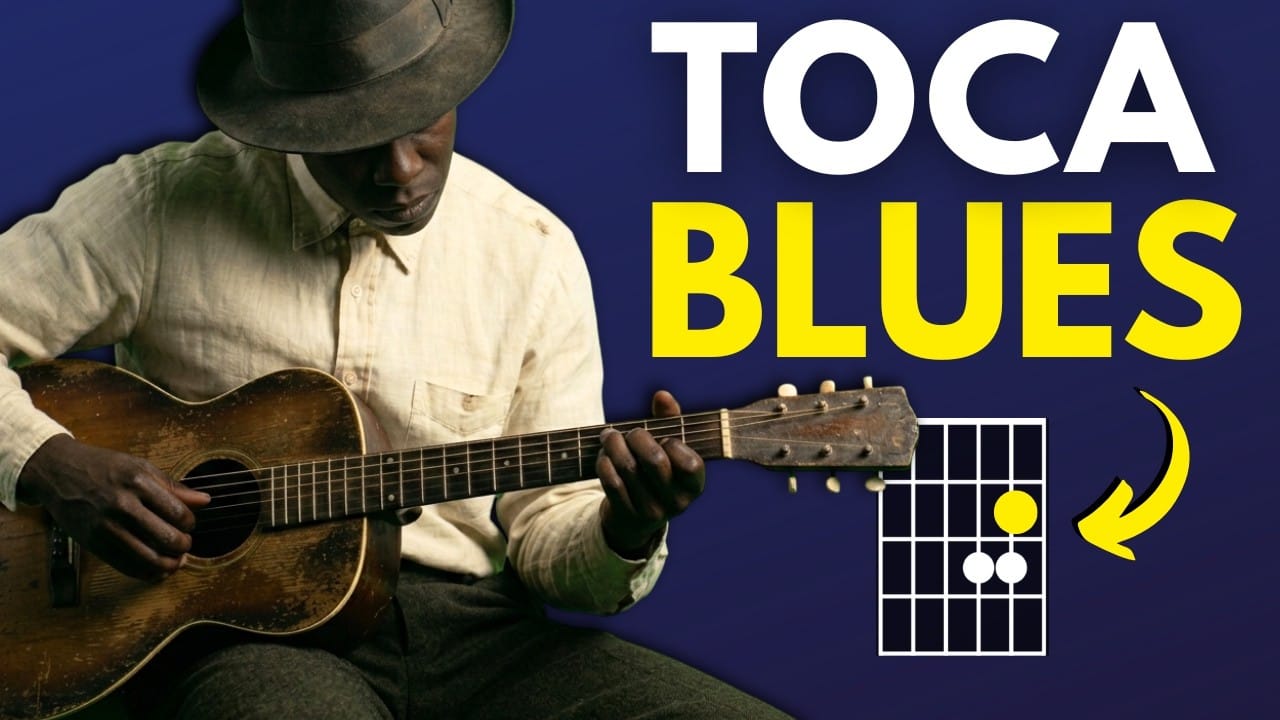
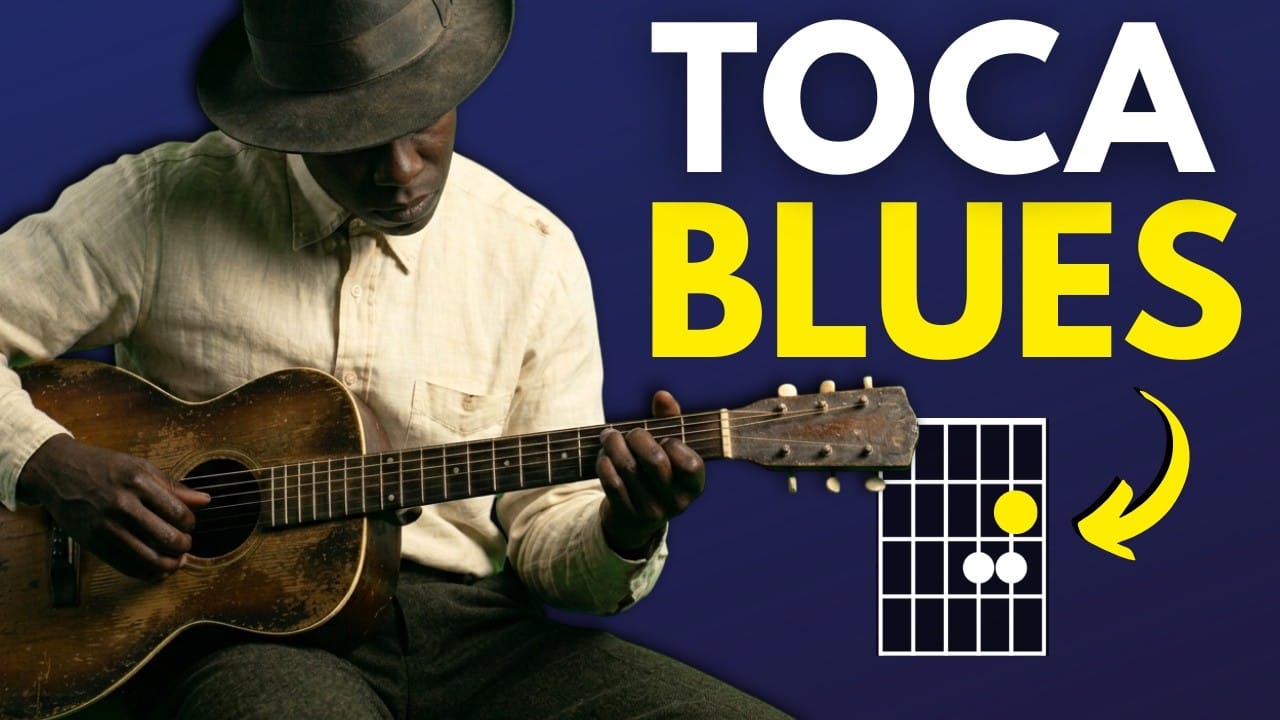
A major (A) 6th string: x 5th string: open 4th string: 2nd fret 3rd string: 2nd fret 2nd string: 2nd fret 1st string: open
D major (D) 6th string: x 5th string: x 4th string: open 3rd string: 2nd fret 2nd string: 3rd fret 1st string: 2nd fret
A seventh (A7) 6th string: x 5th string: open 4th string: 2nd fret 3rd string: open 2nd string: 2nd fret 1st string: open
Diminished (dim) (fingering not shown)
F major seventh (Fmaj7) (fingering not shown)
D minor (Dm) (fingering not shown)
The fundamental blues pattern relies on the A major chord. Play the chord shape one semitone (one fret) lower before moving it to its correct position. Specifically, fret the first fret of the second string before shifting to the second fret, which corresponds to the A chord.
This movement creates a characteristic blues sound without complex scales. Simplify the position by playing only essential notes, rather than moving your entire hand. The concept focuses entirely on the basic chord and this small melodic displacement.
"No scales here. Just the basic chord and a small backward semitone movement."
How to Apply the Blues Pattern to the D Major Chord
Apply the same semitone pattern to the D major chord. Visualize the D chord shape and shift it back one fret. Use the open fourth string (the note D) as a pedal note to maintain the chord's harmonic foundation.
This technique creates a classic, simple blues melody over the chord progression. The instructor shows how the first two bars alternate between the pattern over A major and the pattern over D major, then return to A.
"I have a perfect, very simple classic blues melody, based only on chords and a small backward movement."
Adapting the Semitone Pattern to the A Seventh (A7) Chord
This lesson adapts the pattern for the A seventh (A7) chord, a blues essential. Instead of simply shifting the shape, the movement targets the chord's seventh, creating characteristic tension.
Achieve this by using the open third string (the note G), which acts as the minor seventh of A. This adjustment integrates the dominant A7 sound into the same semitone melodic pattern, flowing smoothly into the progression.
"Did the same, but a movement to the open string, which is the seventh."
Advanced Variations: Diminished Chords, Traditional Blues Changes
The pattern extends to complex variations, including a different D chord voicing and a diminished chord. The principle remains consistent: play notes a semitone below before resolving to the target chord.
The lesson also teaches a traditional blues cadence. This progression features an F major seventh chord, followed by a B arpeggio, then a D minor chord. This creates tension before resolving to A, a hallmark of 1930s blues.
"I'm making a very traditional blues change, one not heard as much in modern blues."
Also mentioned in this video
- Teacher presents video on achieving classic sound... (0:00)
- Teacher summarizes basic chord as pattern concept... (3:52)
- Teacher: Pattern useful for electric blues... (5:35)
Summarised from ChachiGuitar · 7:00. All credit belongs to the original creators. Streamed.News summarises publicly available video content.