🌐 Also available in: 🇫🇷 Français
Original source: The WindsurfingTV Podcast
This video from The WindsurfingTV Podcast covered a lot of ground. Streamed.News selected 7 key moments and summarises them here. Everything below links directly to the timestamp in the original video.
Discover why engaging with the unpredictability of nature can be a more powerful tool for stress relief than simply seeking an adrenaline rush. It’s a lesson in how dynamic environments can reset our minds.
Windsurfing Offers Unique Mental Escape by Forcing Engagement With Natural Elements, Says Nik Baker
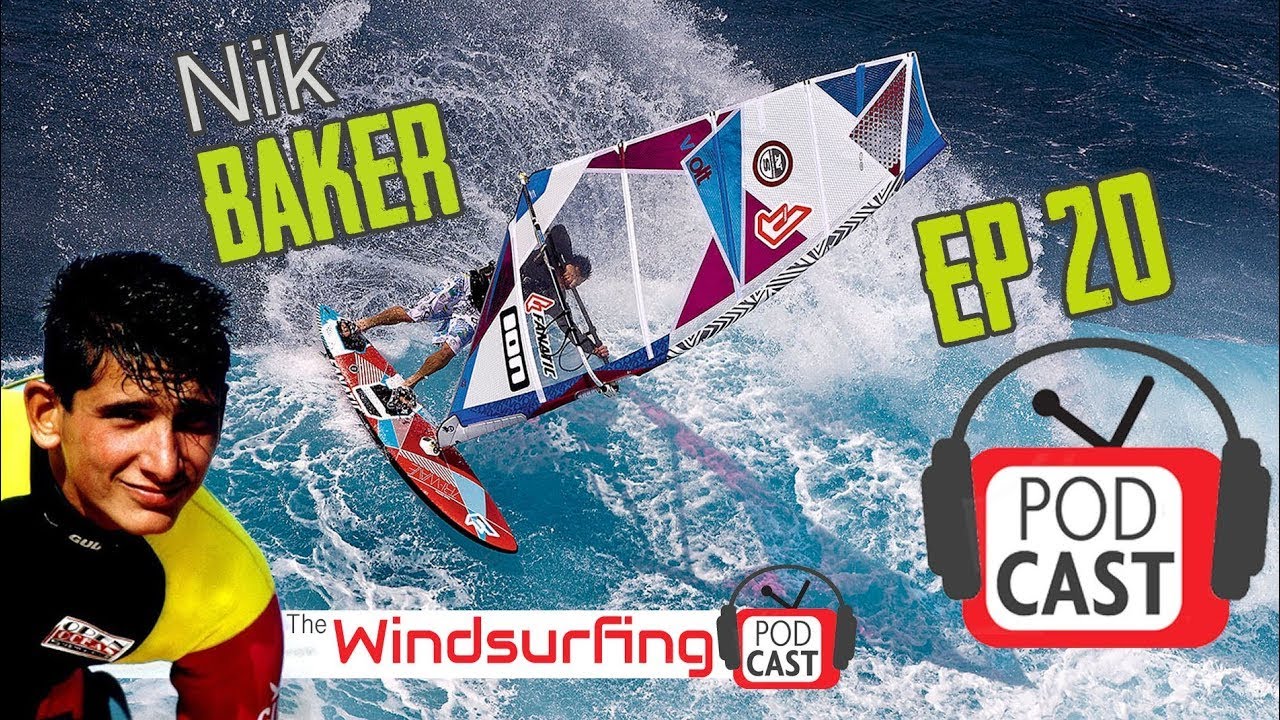
Professional windsurfer Nik Baker describes his sport as a unique form of mental release that surpasses other high-adrenaline activities like motorcycle racing. He explains that while both sports provide a thrill, windsurfing's distinction lies in the need to work with constantly changing natural elements. This dynamic requires total concentration on the wind and water, which effectively transports him from everyday stresses and pressures into a different mental space where he feels present and focused.
The implications of this are about the broader need for activities that command full attention as a counterbalance to modern life's constant distractions. It's about the notion that engaging with uncontrollable natural forces can provide a more profound sense of escape and rejuvenation than controlled environments. This perspective highlights why nature-based sports continue to hold a powerful appeal for mental well-being, fostering a sense of flow and what Baker calls a "childlike excitement" even after decades of practice.
"You are working with those elements and it's changing all the time... there's so much to think about but at the same time you don't think about anything. You just do what you do, and it sort of transports me from your everyday stresses and pressures."
▶ Watch this segment — 1:23:16
Lockdown Conditions Fueled Unprecedented Sales Boom for Watersports Industry
The watersports industry experienced an unprecedented sales spike following the COVID-19 lockdowns, according to industry veteran Nik Baker. A combination of factors, including government furlough schemes in the UK that left people with free time and paid salaries, coupled with an unusually sunny and windy summer, drove immense demand for equipment. Paddleboarding took off first, but the boom extended across the board, leading to what Baker describes as the busiest year ever for many dealers, some of whom have been in the business for over 30 years.
We're seeing a dynamic where shifts in work-life patterns, even when forced by a crisis, can dramatically alter consumer spending and recreational habits. The boom highlights the resilience and opportunism within niche markets that cater to outdoor activities. This surge provided a critical lifeline for an industry with typically narrow margins, allowing dealers to clear stock and maintain cash flow during a period of widespread economic uncertainty. It illustrates how specific sectors can thrive when macro conditions unexpectedly align in their favour.
"My dealers have had the busiest years they've ever had. Some of them have been in the industry for a very long time, you know, 30-odd years, and so yeah, it was amazing."
Windsurfing's 'Rock-and-Roll' Era of Ferraris and Big Money Is a Distant Memory, Says Nik Baker
Professional windsurfing has transitioned from a glamorous, high-paying sport to a much more financially challenging career for today's athletes, according to former competitor Nik Baker. He recalls a "rock-and-roll" era when top windsurfers earned significant prize money and sponsorships, allowing for lavish lifestyles that included renting Ferraris and multimillion-dollar houses during competitions. This contrasts sharply with the current landscape, where athletes have far fewer opportunities to earn a comparable living.
The implications of this shift reveal the life cycle of a niche professional sport. The decline was driven by several factors, including the rise of competing sports like kitesurfing, which "stole our thunder," and an unsustainable salary structure. The industry, which once saw single brands sell over 200,000 sails a year, shrank, making it unable to support the high costs. It's about the notion that a sport's commercial peak can be fragile, susceptible to market shifts and internal economic pressures that redefine what is possible for the next generation of competitors.
"We had big prize money compared to today. You know, talking about the rock-and-roll lifestyle... Robert and Anders rented Ferraris. It's difficult now for the competitors. They don't have the opportunity to make the money like it was."
▶ Watch this segment — 1:15:32
Watersports Executive Details Unlikely Pandemic Boom and Personal Health Turnaround
For watersports executive Nik Baker, the initial phase of the COVID-19 pandemic was a period of great business uncertainty that ultimately led to both a personal health transformation and a record-breaking sales boom. While lockdown presented a "scary" outlook for his equipment business, he used the time to focus on his fitness. By taking up road cycling, he lost 10 kilos in two months, fulfilling a New Year's resolution he had made before the pandemic began.
We're seeing a dynamic where the disruption of normal routines created unexpected opportunities. As lockdown restrictions eased, the combination of Baker's renewed fitness and a surge in public interest in outdoor activities propelled his business to new heights. September became the company's busiest month ever, with its UK turnover growth outpacing every other country. The story illustrates how moments of crisis can serve as catalysts for both personal and professional renewal, challenging initial fears and leading to unforeseen positive outcomes.
"September was our busiest month we've ever had... the UK growth that we've done turnover-wise has grown more than any other country in the world."
Tobacco Advertising Ban Abruptly Ended £1.7 Million Windsurfing Sponsorship Deal
A government ban on tobacco advertising abruptly halted a major sponsorship deal between cigarette brand Silk Cut and professional windsurfing, derailing a plan to inject £1.7 million into the sport in the UK. According to windsurfer Nik Baker, whose team was sponsored by the brand, the deal was comprehensive, aiming to market windsurfing to a mainstream audience through events and extensive coverage in magazines like GQ. The partnership promised to be one of the biggest investments the sport had ever seen.
The implications of this are far-reaching, demonstrating how legislative changes can instantaneously alter the financial landscape of a professional sport. The Silk Cut contract was finalised just six weeks after the government's cutoff date for such deals, meaning it had to be terminated after its first year. This event illustrates the vulnerability of sports that rely on funding from controversial industries. We're seeing a dynamic where regulatory shifts, driven by public health concerns, can sever crucial revenue streams, forcing sports to find alternative and often less lucrative funding models.
"It only lasted a year because that year the British government put the ban on advertising cigarettes... our contract was done six weeks after that cutoff date, so we could only run it that first year."
▶ Watch this segment — 1:05:32
Foil Freestyle Pushes Windsurfing's Limits While Traditional Discipline Becomes 'Too Extreme' for Broad Audience
The rise of foil freestyle represents the next evolution in windsurfing, but it also highlights a growing accessibility problem within the sport's traditional disciplines, says Nik Baker. While he embraces new developments like foiling as a way to keep people on the water in more varied conditions, he observes that standard freestyle has become "absolutely insane." The complexity of the moves makes it nearly impossible for a general audience—and even experts like himself—to differentiate between manoeuvres, diminishing its spectator appeal.
The implications of this are about the tension between athletic progression and audience engagement in niche sports. When a discipline becomes too technical, it risks alienating the consumer base that supports it. It's about the notion that for a sport to thrive commercially, its competitive formats must remain visually intuitive. Disciplines like wave riding, judged on style, and racing, with a clear start and finish, are inherently easier for spectators to follow. The growth of foiling, while dangerous, offers a fresh area of the sport that is attracting widespread interest.
"Unfortunately for the consumers, it's actually too insane. I don't know what the moves are... a lot of it is very difficult to understand. So in some ways, it's too extreme, which means they lose an appeal a little bit."
▶ Watch this segment — 1:47:11
'Fear of Not Being Good Enough' Fueled Windsurfing Champion Nik Baker's Competitive Drive
A persistent fear of not being good enough was the primary psychological engine behind windsurfing champion Nik Baker's success. He explains that this fear drove him to set ambitious goals in both business and sport, which he would then "smash out the park" because he was scared not to achieve them. This mindset, he suggests, is part of the unique sports psychology that separates elite performers like Björn Dunkerbeck, Robbie Naish, and Lewis Hamilton from others.
It's about the notion that for some top athletes, motivation stems not just from a desire to win but from a deeper anxiety about failure. Baker's career illustrates how this drive interacts with specific competitive environments. While he competed with the sport's legends outdoors, his physical size and superior jibing skills gave him a distinct advantage in the tighter confines of indoor arenas. This specialisation allowed him to dominate that discipline, winning six overall titles and demonstrating how psychological drive and physical suitability must align for peak performance.
"I live with this fear, if I'm honest, of not being enough, not being good enough, not achieving what I need to achieve. I set my goals and nine times out of ten I smash my goals out the park because I'm scared not to achieve my goal."
Summarised from The WindsurfingTV Podcast · 2:01:39. All credit belongs to the original creators. Windsurfing TV Podcast summarises publicly available video content.