Original source: Graham Ezzy
This video from Graham Ezzy covered a lot of ground. Streamed.News selected 3 key moments and summarises them here. Everything below links directly to the timestamp in the original video.
Understanding these unique conditions reveals how geographical features can dramatically alter sports environments, offering new challenges and experiences for enthusiasts.
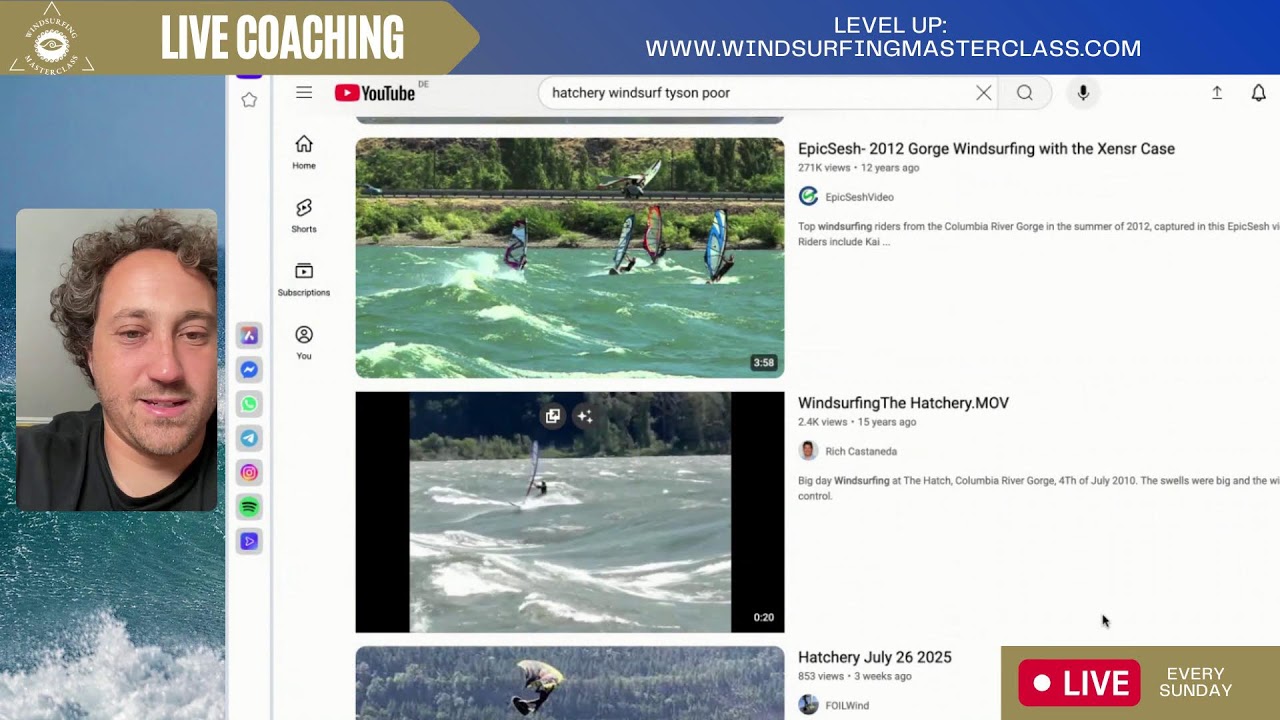
Windsurfing in the Columbia River Gorge Offers Unique River Swell Conditions
The Columbia River Gorge provides distinctive windsurfing conditions, characterized by river swell generated when wind opposes the current. This interaction creates steep, continuous undulations that differ from ocean waves, allowing for various maneuvers including freestyle, carving, and significant jumps.
While not typically a primary destination for wave sailing, combining a trip to the Gorge with a visit to the Oregon coast offers a comprehensive summer experience, as the area also provides opportunities for kayaking, hiking, and skiing, making it suitable for families and diverse interests.
"This is river sailing... The wind goes the opposite direction of the current and that creates this swell. And so it's not quite waves… but they do get steep."
WhatsApp vs. Discord: Managing Online Course Communities
When managing online course communities, platforms like WhatsApp offer ease of use due to widespread familiarity, which makes immediate engagement high. However, a significant drawback is the ephemeral nature of messages, meaning participants joining later miss past discussions and resources.
Discord, conversely, preserves message history, allowing new members to access all prior content and community interactions. The trade-off is a steeper learning curve for users less familiar with the platform, which can initially hinder adoption in comparison to more ubiquitous messaging apps.
"WhatsApp is easy but there are some disadvantages to WhatsApp because the messages disappear… I like something like Discord because you have that same community aspect, different channels, and the messages are saved."
Windsurfing Coach Defines Aerial vs. Jump, Offers Turning Advice
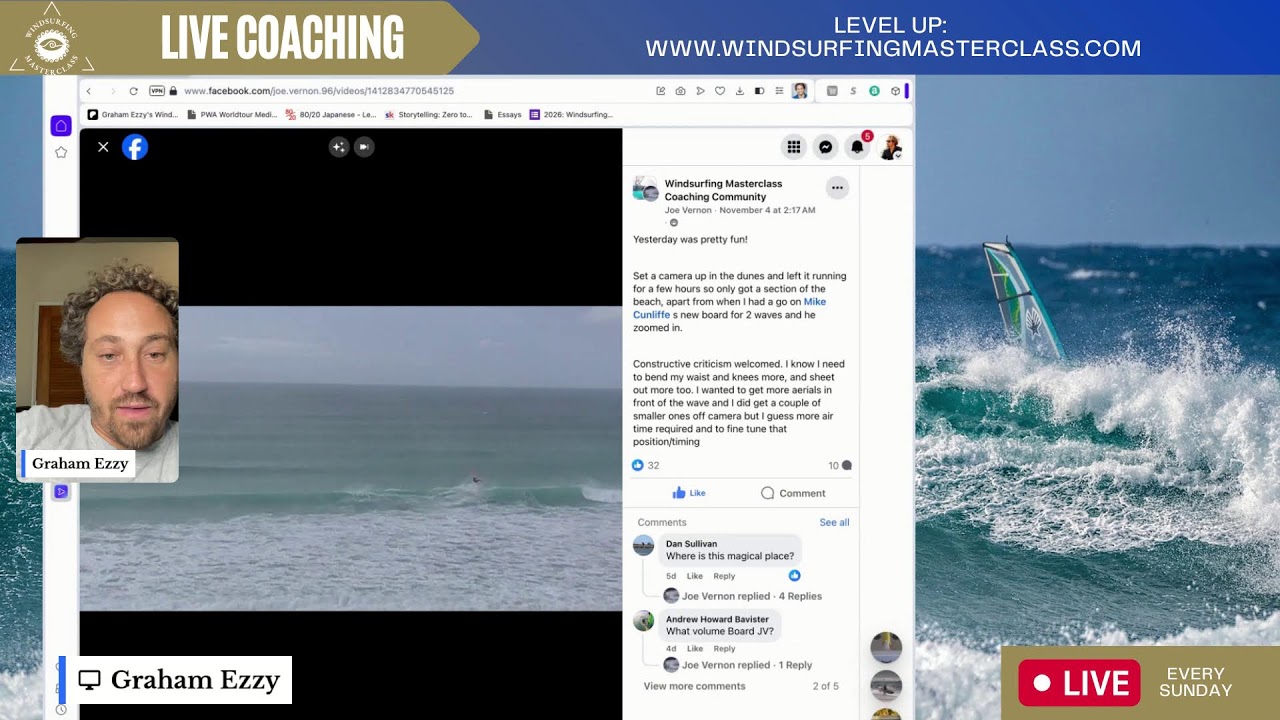
In windsurfing, an aerial differs from a jump primarily in how the wave is utilized for air. A jump uses the wave as a ramp, relying on board speed to propel the rider upwards, similar to a skateboard or snowboard hitting a ramp.
Conversely, an aerial integrates the wave's forward-projecting power, requiring precise timing to hit the wave as it actively launches the rider forward. For riders looking to execute more radical turns, a key suggestion is to aggressively hit the 'corner pocket' section of a wave for a powerful backside turn, potentially leading into a frontside maneuver.
"The difference between an aerial and a jump is that a jump uses the wave like a ramp… An aerial uses the forward projecting power of the wave to get air as well."
Summarised from Graham Ezzy · 42:25. All credit belongs to the original creators. Windsurfing Class summarises publicly available video content.