Original source: Mario Kümpel
This video from Mario Kümpel covered a lot of ground. 3 segments stood out as worth your time. Everything below links directly to the timestamp in the original video.
Before you rent a board, a two-minute safety check could be the difference between a fun afternoon and a coastguard call.
Windsurfing Instructor Flags Offshore Wind as Top Danger for Beginners
Offshore wind — blowing away from shore rather than toward it — is the single most dangerous condition a beginner windsurfer can encounter, according to instructor Mario, who outlines a short checklist before anyone enters the water: check wind direction and any tidal currents, never go out alone, carry a phone in a waterproof case, and learn the international SOS distress signal, performed by raising and lowering both arms repeatedly while on the board.
The advice matters because beginner windsurfers often underestimate how quickly an unfavorable wind can carry them out to sea before they have the skills to return. These are the same principles taught by water-rescue services worldwide, making them worth knowing before a first session.
"If the wind is blowing offshore — meaning away from the land — that can turn out to be really dangerous if you don't know how to get upwind."
Mediterranean Drift Incident Illustrates Risks of Poorly Sized Windsurfing Gear
Mario recounts being pushed roughly one to two kilometers offshore into the Mediterranean Sea after launching on equipment that was too small for the conditions and incorrectly trimmed. His companion could barely sail the board back, and both navigated through ferry and boat traffic before reaching shore safely. The episode prompted a practical tip: darker, choppy patches on otherwise glassy water signal an approaching gust, giving sailors a few seconds of advance warning.
The story underlines a risk less obvious than weather forecasts — that poorly matched or badly set-up gear can rob a rider of the ability to sail upwind when it matters most.
"We drifted away for like one or two kilometers on the Mediterranean Sea, and then there were ferries and boats coming."
Windsurfing Instructor Makes Case for Sport's Unusually Low Barrier to Entry
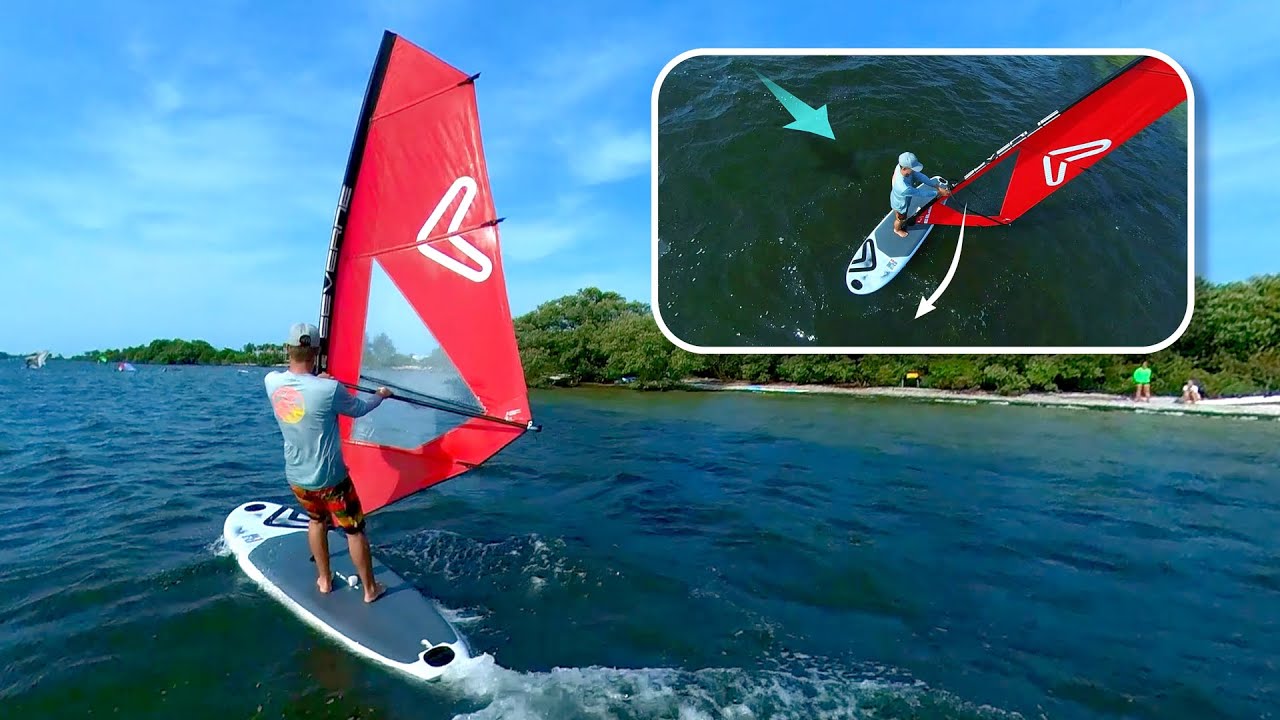
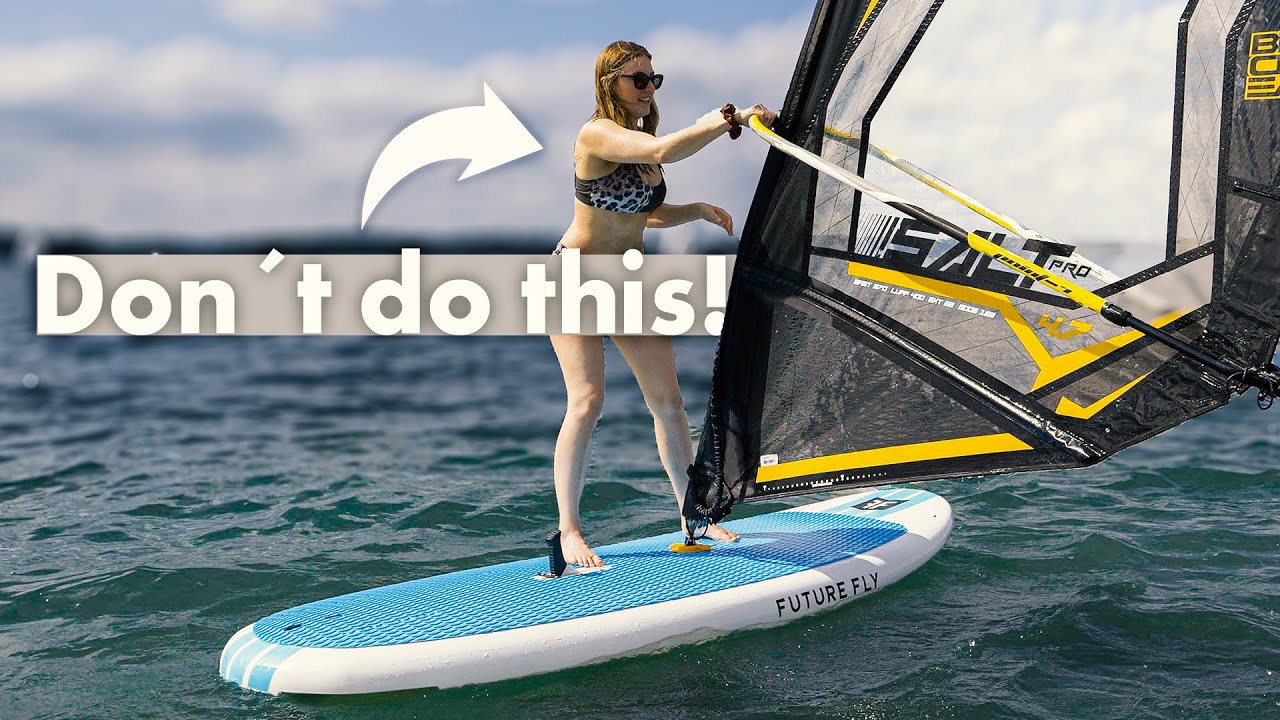
Mario walks through the four maneuvers every beginner needs: the uphaul start (lifting the sail from the water with a straight back), the safety position (gripping the mast to kill forward momentum), the jibe (rotating the sail over the board's nose to change direction), and the tack (the reverse rotation over the tail). Going upwind requires pulling the boom toward the board's rear; going downwind means pushing it forward. He argues the basics are easier to learn in windsurfing than in almost any other wind-powered water sport.
The claim is notable because windsurfing's participation numbers have declined since the 1980s boom, and instructors increasingly frame the sport's low initial learning curve as an underappreciated selling point against kitesurfing and foiling.
"I don't think there are a lot of wind-propelled water sports where the first steps are so easy as with windsurfing."
Summarised from Mario Kümpel · 23:45. All credit belongs to the original creators. Streamed.News summarises publicly available video content.