Original source: Starboard Windsurfing
This video from Starboard Windsurfing covered a lot of ground. 3 segments stood out as worth your time. Everything below links directly to the timestamp in the original video.
If you've ever worried about being stranded on a windless lake with a windsurfing rig, this paddle-home technique is the one skill worth memorising before you head out.
Windsurfers Learn 'Butterfly Rescue' Technique for Stranded-at-Sea Scenarios
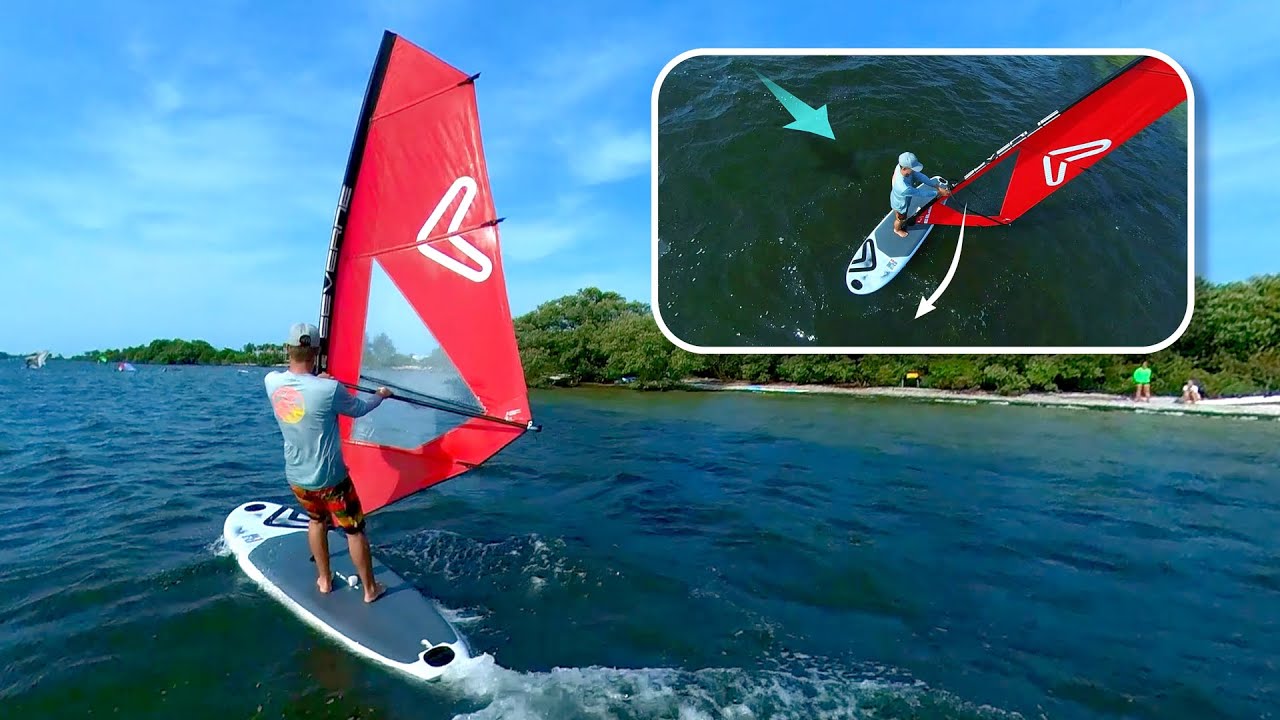
When wind dies or a windsurfer is pushed downwind and cannot sail back, a technique called the butterfly rescue offers a practical exit. From a stable position on the board, the rider tilts the rig toward the stern, lowers it flat across the back of the board, then lies prone and uses their feet to balance the rig while paddling to shore.
The technique is a foundational safety skill for beginners, giving them a reliable fallback when conditions turn against them before they have mastered steering.
Windsurfing Instructors Recommend 3–15 Knots and Flat Water for First-Time Learners
New windsurfers are advised to start in flat water with wind speeds between 3 and roughly 15 knots, gradually seeking stronger conditions as confidence and balance improve. Light, steady wind gives beginners enough power to feel the sport without the instability that higher gusts introduce.
Choosing the right conditions early dramatically reduces frustration and the risk of injury, making the learning curve far less steep.
Proper Rig Recovery Technique Centers on Leg Strength and Board Alignment
When a windsurfing rig falls into the water, recovery begins by approaching from the downwind side, gripping the uphaul line, and lifting with the legs rather than the back — a key distinction that prevents strain during what can be a repeated effort. Once raised, the mast is guided to sit perpendicular to the board in what instructors call the secure position, the stable starting point for all subsequent manoeuvres.
Mastering this recovery step is essential because every sailing attempt begins here — getting it wrong wastes energy and sets up poor form for the rest of the session.
Summarised from Starboard Windsurfing · 9:59. All credit belongs to the original creators. Streamed.News summarises publicly available video content.