🌐 Also available in: 🇫🇷 Français
Original source: The WindsurfingTV Podcast
This video from The WindsurfingTV Podcast covered a lot of ground. Streamed.News selected 5 key moments and summarises them here. Everything below links directly to the timestamp in the original video.
The story of how a professional sports league collapsed under a mountain of debt and was reborn reveals the critical importance of governance and transparency. It's a case study in how institutional structure can determine the survival of an entire sport.
Phil McGain Details PWA's Rise from $1.5M Debt and Collapse of Predecessor
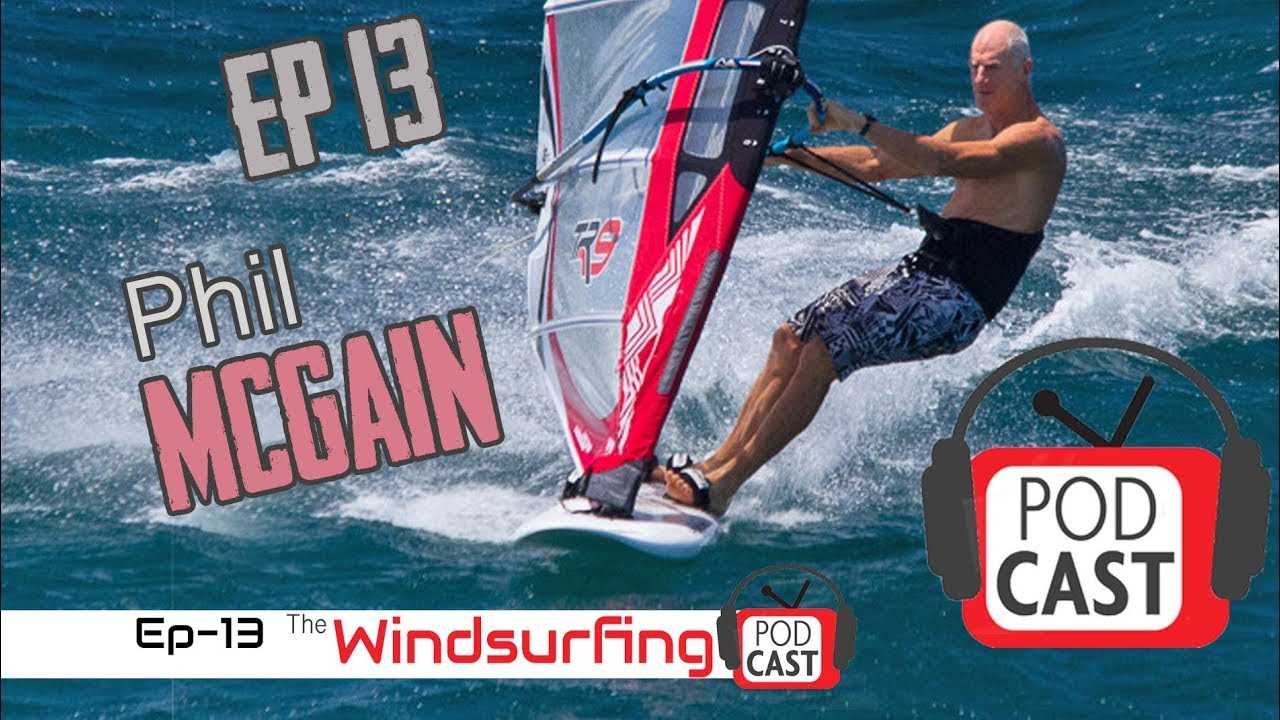
Phil McGain provided a detailed account of the financial collapse that led to the formation of the Professional Windsurfers Association (PWA). He explained that its predecessor, the PBA, accumulated over $1.5 million in debt by 1994 due to financial mismanagement, including the diversion of funds to other sports. This crisis prompted a group of sailors, including McGain, to legally bankrupt the old association and establish the PWA in 1995. The new body was structured with both sailor and industry representation to prevent conflicts of interest and ensure collective decision-making.
The implications of this restructuring were profound for the professionalisation of the sport. It's about the notion that institutional credibility is paramount for survival. By establishing a transparent U.S. non-profit structure in 2000 and maintaining clear financial accounts, the PWA was able to restore trust with sponsors, event organisers, and government entities. This foundational stability, born from the lessons of the PBA's failure, has been critical to the tour's long-term health and continued operation.
"We were able to bankrupt the association and then we started the PWA. We learned a lot. We had a very strict constitution and we kept things more transparent."
▶ Watch this segment — 1:18:00
Phil McGain Completed 11 Iron Mans and 22 Marathons After Pro Windsurfing Career
After retiring from the professional windsurfing tour, Phil McGain embarked on a second athletic career in endurance sports that spanned 12 years. Seeking a new set of goals, he began with his first marathon in 2006 and eventually completed a remarkable 11 Iron Man triathlons, 22 marathons, and 20 half Iron Mans. He was drawn to the immense physical and mental challenge of the sport, setting a personal best of 11 hours and 4 minutes in an Iron Man competition. His last major event was the Hawaii Iron Man in 2017.
McGain's transition highlights a dynamic common among elite athletes facing retirement: the search for a new competitive outlet to channel their discipline and drive. For him, the appeal lay in the meticulous preparation and the mental fortitude required to push through extreme physical limits, mirroring the focus of his windsurfing days. However, this pursuit came at a cost, as he noted the significant physical toll, which ultimately required surgery on his Achilles tendon from overuse.
"Over 12 years, I did 11 Iron Mans, 22 marathons, and 20 half Iron Mans. It was a lot of fun doing that sort of training and doing that to your body. I realize now that I really beat myself up pretty hard."
▶ Watch this segment — 1:45:56
Phil McGain on Race Strategy: Simplify Complexity and Focus on Clean Starts
Veteran windsurfing champion Phil McGain asserts that successful race strategy hinges on simplification rather than overanalysis. He explained that as his career progressed, he learned to break down a complex race into a few critical components: achieving a clean start in unobstructed wind, possessing superior board speed, and decisively choosing the correct side of the course. According to McGain, a solid start and a strong position around the first mark often set the tone for the entire race, allowing a sailor to shift to a defensive strategy.
The implications of this philosophy extend to any high-stakes competitive field. It's about the notion that mastery involves identifying and flawlessly executing a few pivotal actions, rather than attempting to control every variable. This approach elevates the importance of pre-race preparation, such as arriving 45 minutes early to sail the course and confirm equipment settings. This disciplined preparation provides the foundation for simple, effective decision-making when the pressure is on.
"Later on in my career, I realized that I started to learn that racing is complex, but also you can keep it simple and try to not overanalyze things. Try to simplify things and break the race down."
Phil McGain Recounts Origins of Maui Sails and Regrets End of Friendship with Kevin Pritchard
Phil McGain explained that the founding of Maui Sails was a venture born of necessity after his team's contract with Gaastra was not renewed. He, Barry Spanier, and other teammates invested their own money to revive the dormant Maui Sails brand. However, the business struggled financially, which created significant strain within the team. This led to the departure of fellow world champion Kevin Pritchard, who felt he was effectively paying to represent the brand rather than earning a salary.
The story is a candid illustration of the pressures that arise when business interests intersect with personal relationships in professional sports. McGain confirmed the anecdote that he collected Pritchard's sponsored equipment immediately after he quit and expressed regret over how the situation unfolded, acknowledging that it led to the end of their friendship. It's about the notion that financial viability often becomes the ultimate arbiter of professional relationships, capable of fracturing even the strongest alliances.
"Do I regret how it went down and that we're not still friends or still close? Yeah, I do. And I'm sorry for that. But at some point, you got to let bygones be bygones and move forward."
▶ Watch this segment — 1:37:50
Phil McGain Endorses Sport Specialization Over All-Around Titles, Citing Physical Toll
Phil McGain voiced his support for the modern professional windsurfing format, which crowns champions in individual disciplines rather than awarding a single overall title. He argued that allowing sailors to specialize in wave, freestyle, or slalom enables them to push the technical limits of each discipline more effectively, driving progress for the sport as a whole. In contrast, the overall title of his era required athletes to be competitive across the board, forcing them to "spread yourself a little bit thinner."
This move toward specialization reflects a broader trend across elite sports, where the level of performance demands focused expertise. The implications of this are tied directly to athletic longevity. McGain noted that the cumulative physical toll of competing at a high level in multiple disciplines for years has left a lasting impact on his body, particularly his joints. This is a primary reason he feels no temptation to return to competition, even in the physically less-demanding discipline of foiling.
"The guys who focus on individual disciplines are better skilled in that particular discipline, and they can press and develop that side of the sport."
Summarised from The WindsurfingTV Podcast · 2:13:37. All credit belongs to the original creators. Windsurfing TV Podcast summarises publicly available video content.