🌐 Also available in: 🇫🇷 Français
Original source: The WindsurfingTV Podcast
This video from The WindsurfingTV Podcast covered a lot of ground. Streamed.News selected 3 key moments and summarises them here. Everything below links directly to the timestamp in the original video.
The selection of Olympic sports equipment is not just about performance. It involves intense political negotiations to convince powerful nations to abandon years of investment for a new direction.
Windsurfer Details Lobbying Campaign That Brought Foiling to the Olympics
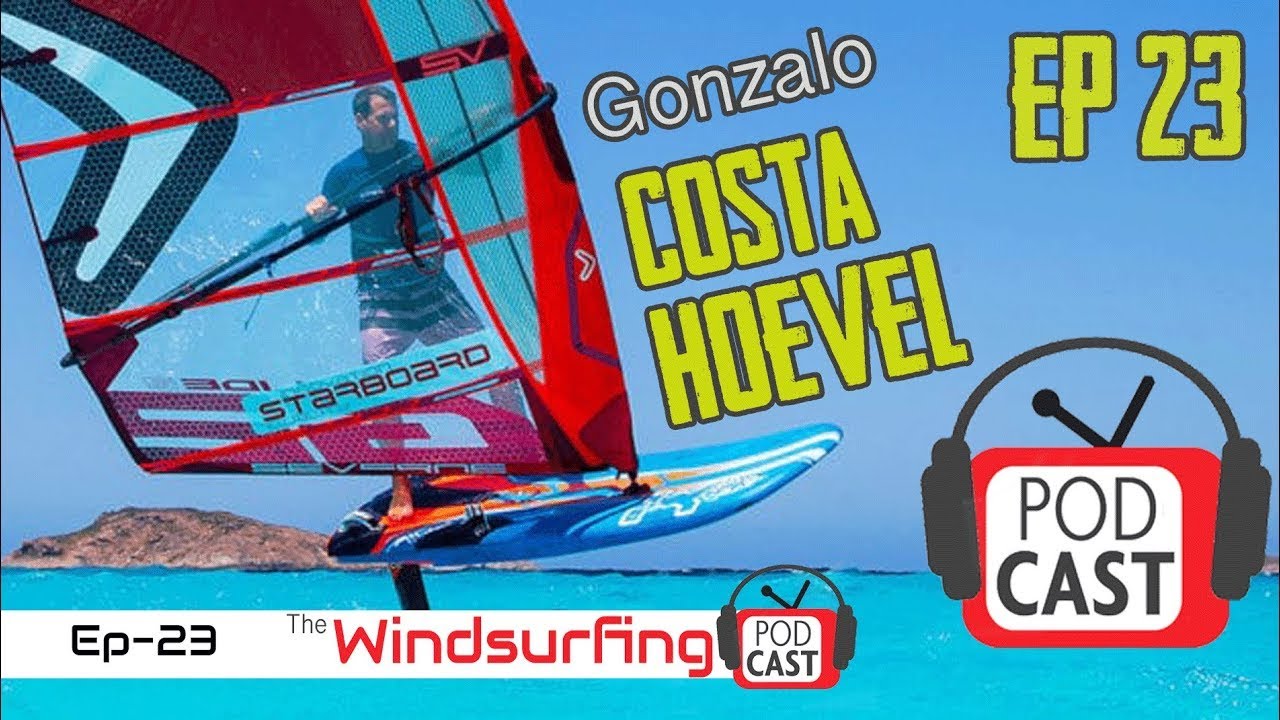
The decision to adopt the IQ Foil for the Olympics was solidified through an intense lobbying effort in Bermuda, according to windsurfer and equipment representative Gonzalo Costa Hoevel. He describes meeting with national delegates from World Sailing, many of whom were intrigued by the new foiling technology. However, the proposal faced stiff resistance from nations that had dominated the previous RSX class, such as China and Israel. These countries had invested heavily in the older equipment and were initially unwilling to entertain a change that would reset the competitive landscape, with China's representative only agreeing to a discussion after the vote had passed in favor of the new class.
The implications of this successful campaign are that technological innovation can prevail over established interests, even in the highly political world of international sports governance. It's a dynamic where nations that initially opposed the change, such as Israel, have since pivoted, invested in the new discipline, and are already achieving top results. This rapid adaptation validates the transition and illustrates how sports federations must react to strategic shifts, with the Chinese delegate immediately seeking advice on how to build a new program moments after her side lost the vote.
"Most of the countries that were against it now they are full power on it."
IQ Foil's Path to Olympics Required Navigating Complex World Sailing Politics
The adoption of the IQ Foil as an Olympic windsurfing class involved a complex, multi-stage political process, culminating in a decisive vote in Bermuda. The journey began with sea trials in Garda, Italy, where a World Sailing working party issued a formal recommendation for the new foiling equipment. According to windsurfer Gonzalo Costa Hoevel, who was involved in the process, this recommendation was then taken to the World Sailing annual conference. The decision required passage through two separate votes: first by the council, where nations vote in regional blocs, and finally by the Annual General Meeting (AGM), where each country casts an individual vote.
This intricate governance structure underscores the political nature of Olympic-level decisions. The process was not merely a technical evaluation but a political contest, with powerful nations heavily invested in the incumbent RSX class attempting to block the change to protect their medal prospects and existing programs. The eventual, and surprisingly strong, vote in favor of the IQ Foil illustrates how a robust technical report from an expert working party, combined with persistent lobbying, can successfully challenge the status quo within international sports federations.
"These really strong nations that wanted to continue with RSX because obviously they had invested a lot of money... for them it meant that if RSX would continue they would probably have guaranteed themselves medals."
New IQ Foil Class Aims to Unify Windsurfing's Divided Olympic and Professional Worlds
For decades, a deep divide separated the worlds of Olympic windsurfing and the professional PWA tour, fostering two distinct and often antagonistic communities. According to windsurfer Gonzalo Costa Hoevel, this rift was primarily caused by the different physical prototypes required for each discipline. The Olympic RSX class demanded lighter, high-endurance athletes suited for extensive pumping in light winds. In contrast, the professional PWA slalom circuit favored heavier, more powerful sailors. This fundamental difference made it nearly impossible for athletes to excel in both domains, leading to a natural and lasting separation.
We're seeing a dynamic where the introduction of the IQ Foil is acting as a unifying force, beginning to bridge this long-standing gap. The new equipment is versatile enough to suit a wider range of body types and skill sets, attracting top competitors from the former RSX and PWA circuits, and even from freestyle windsurfing. This convergence is creating a single, highly competitive fleet and fostering what is described as a "healthy rivalry." The ultimate goal is a future with greater collaboration and a synchronized calendar between the Olympic and professional tours, healing a decades-long fracture for the benefit of the entire sport.
"The body type and the body weight that you need is completely different. So having sailors that would do good on RSX or an Olympic level were not necessarily going to be doing good at the PWA."
Summarised from The WindsurfingTV Podcast · 1:45:16. All credit belongs to the original creators. Windsurfing TV Podcast summarises publicly available video content.