Original source: TWS Tenerife Windsurf Solution
This video from TWS Tenerife Windsurf Solution covered a lot of ground. Streamed.News selected 5 key moments and summarises them here. Everything below links directly to the timestamp in the original video.
Navigating unknown waters can be treacherous, but knowing precise escape routes can make all the difference between a minor mishap and a serious accident. This specific guidance offers a crucial lifeline for those caught off guard.
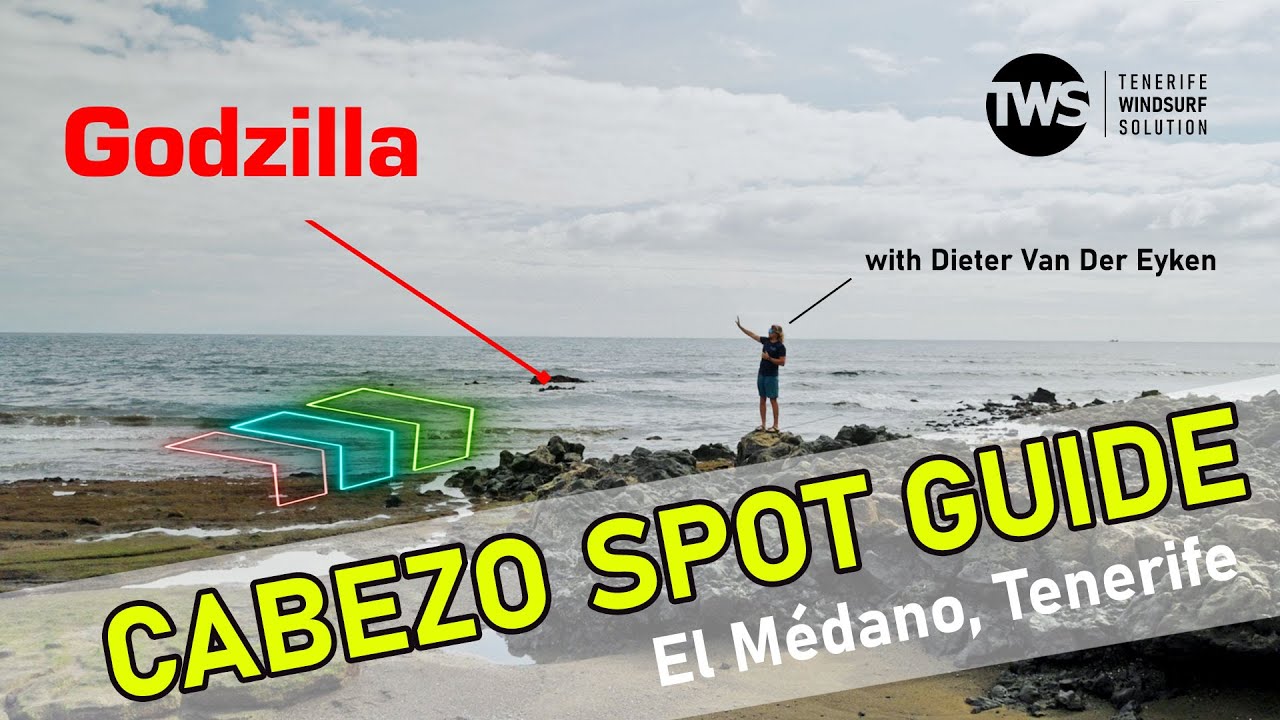
Sailors Warned of Hidden Rocks at Cabezo's Godzilla Extension
Sailors who bail out near the 'Godzilla' extension at Cabezo should aim for a small, visible beach and walk over the exposed rocks to safety, according to local advice. This approach is safer than attempting to navigate around the hidden rocks towards the opposite side, which presents unforeseen dangers, especially given the strong currents.
During low tide, the water depth typically reaches the waist, though it can rise to the chest on a high tide. Staying calm and carrying gear over the relatively flat reef is crucial. Avoiding the more concealed rock formations on the other side of the beach is paramount for preventing damage to equipment and ensuring personal safety.
"What you actually should aim for is to get back to the little beach and actually walk over the rocks."
High Tide Currents Pose Major Danger at Cabezo's Old Parking Lot
The area in front of Cabezo's old parking lot and rocks presents the most significant danger to sailors, particularly during high tide. Strong currents can make it impossible to return to the launching beach, risking equipment damage and stranding.
Sailors caught in this situation are advised to swim with the current towards an alternative exit located on the upwind side of the old parking lot. This route offers a much safer alternative than fighting against the powerful currents, especially during spring tides or when southerly swells are present.
"If you end up in a situation on a very high tide being in front of here, it will be nearly impossible to get back to your launching beach."
Cabezo's 'Emergency Exit' Bush Guides Sailors to Safety and Optimal Waves
A distinctive bush at Cabezo serves as a crucial 'Emergency Exit' for sailors experiencing gear failure or sudden wind drops. This easily identifiable landmark provides a secondary exit point when returning to the main safety beach is not possible.
Beyond safety, the bush also acts as a vital reference for optimal wave riding, guiding sailors to stay between it and the Cabezo bunker. Riding too far upwind risks losing the wave and drifting towards the hazardous 'Godzilla' area, emphasizing the importance of precise positioning.
"If you break your mast, you break your boom, whatever, you need to come out, the wind drops, and you can't make it to the safety beach, then this is your second exit."
Upwind Emergency Exit at Cabezo Requires Avoiding Rocky Mid-Beach on High Tide
For an upwind emergency exit at Cabezo, sailors should avoid the rocky middle section of the beach, especially during high tide. Instead, heading to the very upwind side in front of the dunes provides a safer, sandy entry and exit point.
This specific area is popular with local sailors who use it for launching on mid to low tides, confirming its reliability. Navigating to this sandy zone prevents damage to equipment and reduces personal risk posed by submerged rocks.
"If you want to sail this beach or launch from this beach on a mid to high tide is to go really far enough up wind."
Precise Entry and Exit Strategies Crucial for Navigating Cabezo's Waters
An optimal entry method at Cabezo involves staying about one meter from a specific rock, utilizing a natural 'pothole' as a clear channel to navigate further out and quickly get upwind past 'Godzilla.' When exiting, sailors should avoid riding waves directly, instead sailing upwind and executing a half-jibe near the parking lot, then allowing waves to gently wash them ashore.
This method emphasizes protecting gear from strong currents and submerged rocks, particularly by keeping the sail's clew out of the water upon entry and feeling for stable footing during exit. Knowing the terrain at low tide is essential for understanding hidden rock locations, crucial for both safe entry and a gentle, controlled retreat from the water.
"What I always try to do is I almost come back to the point where I entered... and do a half a jibe... and then aim forward towards the middle of the beach... get into the water and then let myself wash up the beach step by step."
Summarised from TWS Tenerife Windsurf Solution · 12:21. All credit belongs to the original creators. TWS summarises publicly available video content.