Original source: Graham Ezzy
This video from Graham Ezzy covered a lot of ground. Streamed.News selected 3 key moments and summarises them here. Everything below links directly to the timestamp in the original video.
Are you an aspiring athlete or content creator intimidated by the cost of professional gear? This insight suggests that your smartphone might be all you need to start capturing high-quality action.
Smartphone Footage Praised for Windsurfing Content Creation
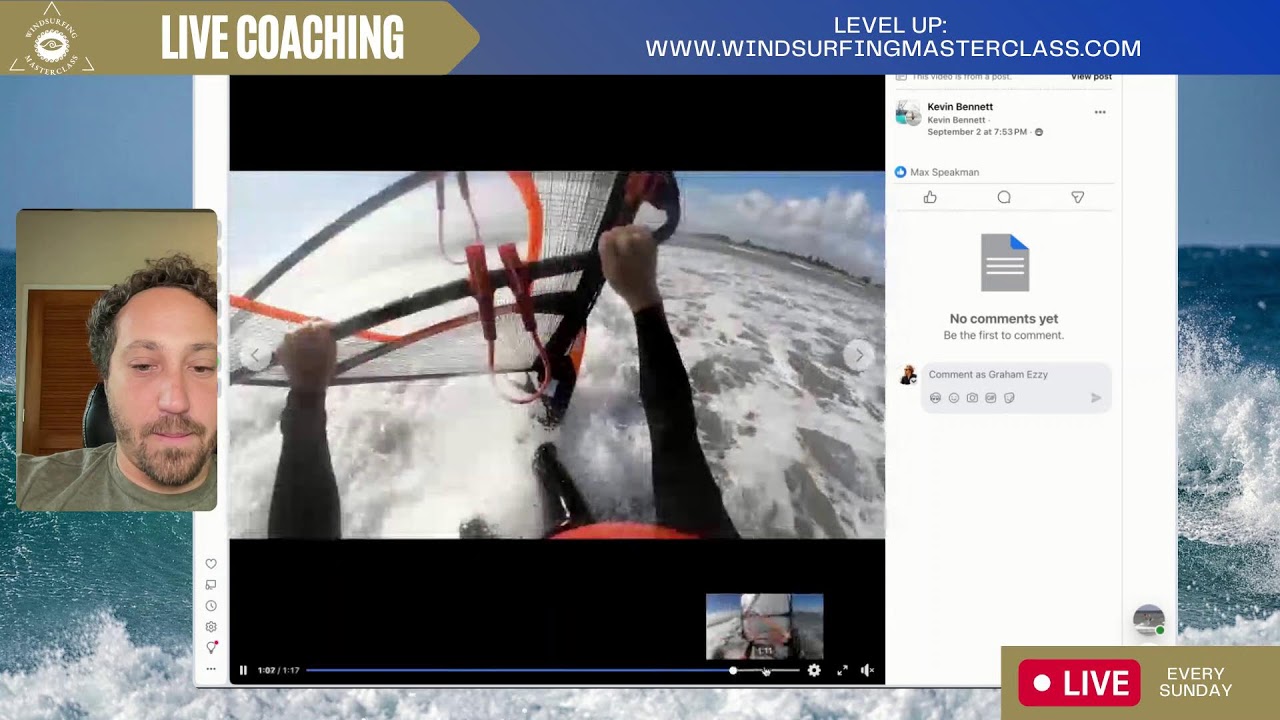
Graham Ezzy highlighted Eric's windsurfing footage from Poso, which was captured using an iPhone. Ezzy emphasized that expensive camera equipment, professional cameramen, or even action cameras like GoPros are not necessary to produce quality content.
He noted that a good smartphone and a friend on the beach are sufficient, significantly lowering the barrier to entry for individuals to film their own sports activities. This accessibility allows more enthusiasts to document and share their experiences without substantial investment.
"You don't need a fancy camera. You don't need to hire a cameraman. You don't even need a GoPro setup. Get a good smartphone and a friend and have them sat on the beach, film you for, I don't know, few waves, and you've got footage."
Windsurfers Advised to Rest After Flights to Prevent Injuries
Professional windsurfers often avoid immediate intense activity after air travel to mitigate injury risks, a practice Graham Ezzy recommends for all athletes. He notes that top professionals, including Victor Fernandez, adhere to a rule of not entering the water on the day they fly.
This recovery period allows the body to adjust and helps reduce the chance of injury, a crucial consideration for anyone traveling for sports, whether for a short trip or an extended stay.
"You don't want to go right off the plane into the water. You want to let your body recover from the flight. It's good not to jump in."
Counterintuitive Wave Riding: Facing Danger for Safety
In wave riding, putting the board directly into the pitching lip of a wave, though seemingly dangerous, is the safest and most effective method for being projected to safety. Windsurfer Graham Ezzy explains that turning under the lip keeps a rider within the wave's destructive power, while directly engaging the lip uses the wave's energy to propel the rider clear.
Ezzy advises continuing the bottom turn longer to better align with the wave, ensuring the board's underside meets the wave's power for optimal projection. This approach requires trust and commitment, as attempting to play it safe by avoiding the lip can paradoxically lead to a more hazardous situation.
"The safest is always going to be hitting that pitching lip, even if it's scary. And this is actually what I love about riding waves on a windsurfer... in order to get pushed to safety, you have to put yourself in the most dangerous part of the wave."
Summarised from Graham Ezzy · 43:19. All credit belongs to the original creators. Windsurfing Class summarises publicly available video content.