Original source: TWS Tenerife Windsurf Solution
This video from TWS Tenerife Windsurf Solution covered a lot of ground. Streamed.News selected 4 key moments and summarises them here. Everything below links directly to the timestamp in the original video.
Understanding this subtle yet critical footwork can transform your windsurfing jibes from unpredictable spills into controlled, flowing turns. Are you stalling out mid-jibe?
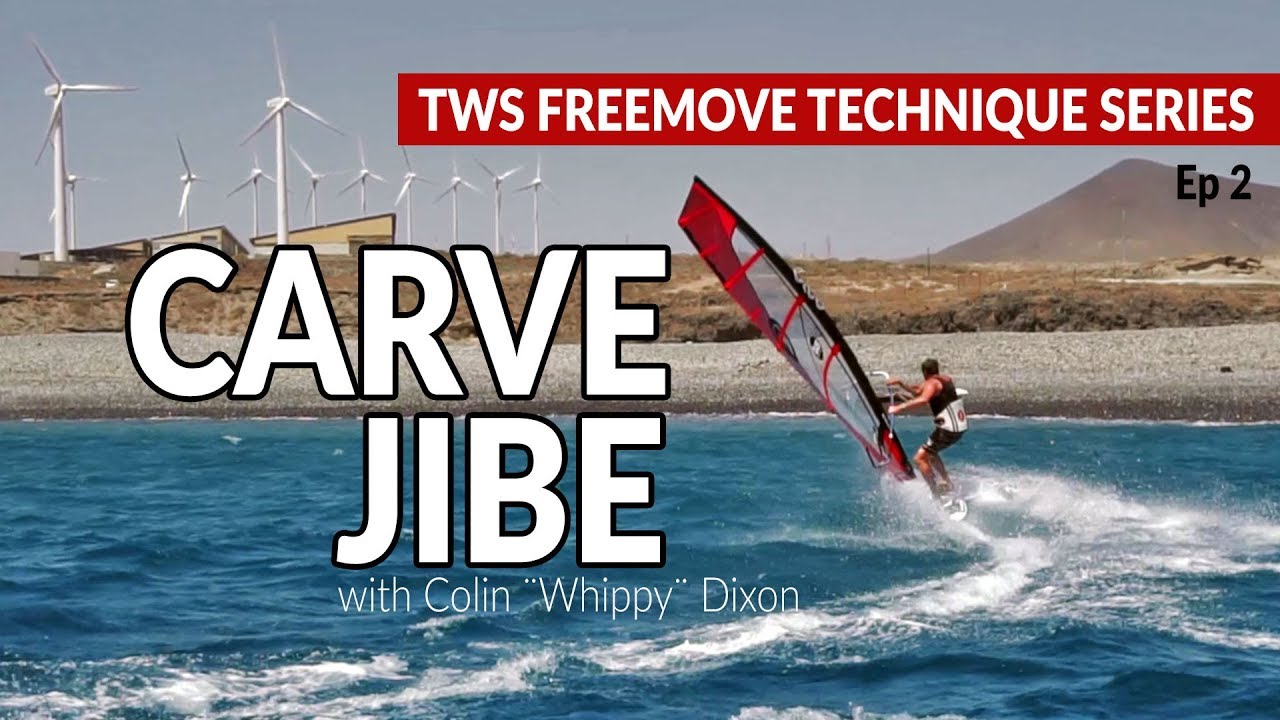
Windsurfers Advised on Crucial Foot Placement for Carve Jibe
Mastering the carve jibe in windsurfing requires precise foot placement and a wide, parallel stance, similar to skiing, to effectively drive the board through the turn. Crucially, the foot change must occur from heel to toe while stepping forward to maintain board speed and avoid stalling, a common error that can pitch riders off or turn the board into the wind.
This technique emphasizes keeping weight forward and low, enabling a smooth, continuous curve. A narrow stance, by contrast, risks pulling the rider off the board. The approach aims to prevent the board from abruptly losing momentum or direction during the critical foot transition.
"Most importantly when I do my foot changes go heel to toe and then step now it's important that that heel replaces where that toe is on the carve jibes to the boards that has that nice constant nice curve."
Backhand Placement Critical for Jibe Control in Windsurfing
Proper backhand placement far down the boom is crucial for controlling power and maintaining speed when unhooking from the harness during a windsurfing jibe. This positioning prevents the sail from overpowering the rider, ensuring the board remains flat and stable without bouncing or losing mast pressure, which often occurs if the backhand is too close to the mast.
Failing to move the backhand down the boom can lead to loss of control, causing the board to become unstable even before entering the turn. This tactical adjustment ensures power is managed effectively, allowing the rider to maintain trim and set up for a smooth transition.
"It's all about when we have power is to get our backhand down the boom as we unhook you notice that nothing happens to the sail."
Windsurfers Maximize Jibe Entry with Board Angle and Body Weight
To optimize the entry into a carve jibe, windsurfers should adjust their board angle across the wind to gain power and speed. As preparation begins, the rider unhooks from the harness, hunches up, and steps down with the back foot to lower their body weight, crucial for maintaining control and momentum through the turn.
This deliberate low body positioning prevents the rider from being thrown off balance, ensuring a smooth transition into the carve. Maintaining core stiffness and a low center of gravity is essential for sustaining power and acceleration, preventing speed loss during the maneuver's initial phase.
"When we take our back foot out is actually step down to keep our body weight nice and low."
Carve Jibe: Rig Flip and 'Elvis Wiggle' Key to Smooth Windsurfing Transition
During a windsurfing carve jibe, riders should open their front arm to guide the rig across the nose of the board, keeping arms straight and body low, while maintaining sight of the exit point. A critical step, dubbed the 'Elvis wiggle,' involves a heel-to-toe foot change while leaning back to shift weight, allowing the front foot to move along the centerline before executing the rig flip.
This sequence ensures the body remains aligned with the boom and prevents riders from getting stuck in foot straps by keeping weight distributed. A proper rig flip, following the 'Elvis wiggle' and maintaining a wide stance, completes the jibe with controlled body weight and sail management.
"As I open up with my front arm I bring the rig across the nose of the board and what do you notice about my arms nice and straight and my back my body is nice and low."
Summarised from TWS Tenerife Windsurf Solution · 11:36. All credit belongs to the original creators. TWS summarises publicly available video content.