Original source: TWS Tenerife Windsurf Solution
This video from TWS Tenerife Windsurf Solution covered a lot of ground. 3 segments stood out as worth your time. Everything below links directly to the timestamp in the original video.
If you windsurf and wonder why the same move feels different on different boards, this explanation gets to the root of it.
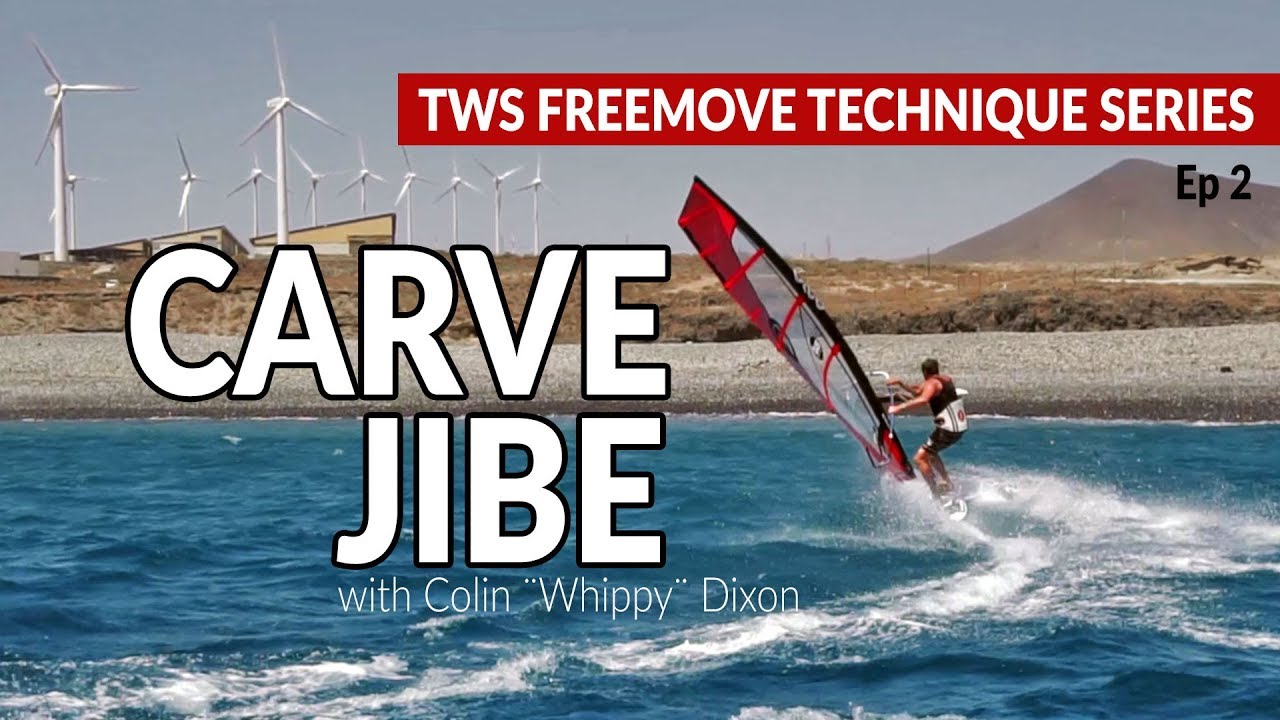
Windsurfing Instructor Breaks Down the Carve Jibe Across Different Board Types
The core technique of the carve jibe — foot movement, hand position, and rig handling — stays consistent regardless of equipment, but the carving radius changes significantly. On a slalom board, the arc is longer to bleed power; on a wave board, tighter turns become possible as skill develops.
For the roughly 1.5 million active windsurfers worldwide, understanding how equipment affects maneuver geometry is a practical bridge between intermediate and advanced sailing.
"The bigger the arc, the more time you have to think about stuff — and then once you get good you can start to speed it up."
Carve Jibe Preparation Starts With Situational Awareness, Not Sail Trim
Before initiating a carve jibe, the instructor emphasises scanning surroundings for other sailors — particularly anyone approaching from behind on a broad reach — as a collision risk that proper technique alone cannot prevent. Only then does backhand positioning come into play: sliding the back hand roughly three hand-widths down the boom before unhooking keeps the sail trimmed and the board flat as the turn begins.
Neglecting that hand movement, the instructor warns, causes the board to destabilise before the maneuver even starts — a common reason beginners struggle to enter the turn cleanly.
"If I see someone in front of me I need to try and predict what he does — and most importantly I'm looking for people."
Foot Placement and the Heel-to-Toe Transition Are Make-or-Break in the Carve Jibe
A wide, parallel-footed stance — described as similar to a skiing position — allows a windsurfer to drive both knees into the turn and maintain forward weight through the arc. The critical moment is the foot change: moving heel-to-toe so the heel lands precisely where the toe was keeps the board on a continuous curve. Stepping back instead, even briefly, shifts weight to the wrong rail and stalls the board, typically spinning it into the wind and ejecting the rider.
This heel-to-toe discipline is the single most common technical fault separating sailors who complete carve jibes from those who fall at the final step.
"When I do my foot change, go heel to toe and then step — it's important that that heel replaces where that toe is."
Summarised from TWS Tenerife Windsurf Solution · 11:36. All credit belongs to the original creators. Streamed.News summarises publicly available video content.