Original source: TWS Tenerife Windsurf Solution
This video from TWS Tenerife Windsurf Solution covered a lot of ground. 3 segments stood out as worth your time. Everything below links directly to the timestamp in the original video.
If a shortboard tack keeps going wrong, the problem likely started several seconds before the turn itself.
Windsurfing Instructor Breaks Down the Most Common Tacking Errors on a Shortboard
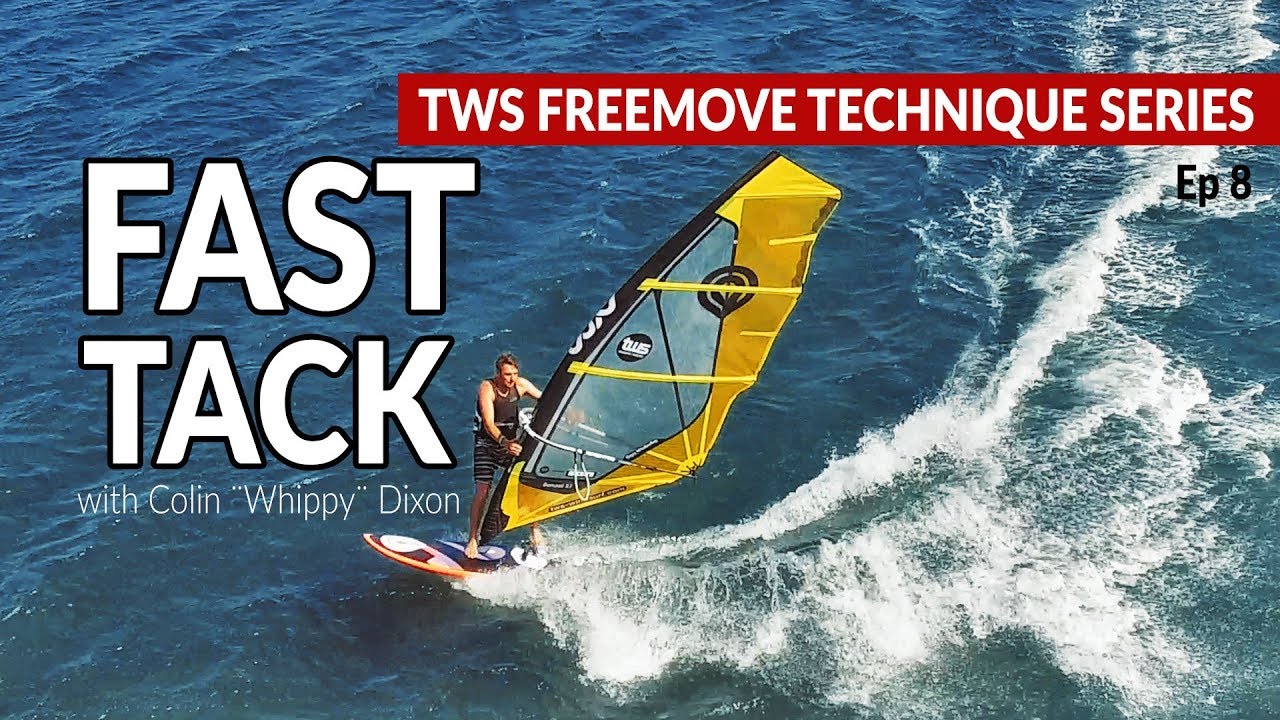
Losing speed before the maneuver even begins is the central mistake most windsurfers make when attempting a fast tack on a shortboard, according to this instructional breakdown. The fix, the presenter argues, is to complete all preparation while still hooked into the harness — unhooking too early bleeds speed and causes the board to fall off the plane before the turn is underway. Knowing the target direction before initiating the 180-degree turn is equally critical.
Though highly specific to the sport, the underlying principle — prepare fully before committing to a dynamic movement — applies broadly to board sports and high-speed water disciplines where recovery from a mistake is costly.
"People think about a fast tack, they unhook, then they start doing their preparation — by the time they've actually got into position they've come off the plane."
Mast Grip Recommended Over Boom-to-Boom Transition for Safer Windsurfing Tacks
Rather than swinging the front hand directly from boom to boom during a tack, the instructor recommends placing it on the mast just above the batten pocket. With the back hand slid up toward the harness lines, heels together, and elbows dropped, this position offers greater control — particularly for beginners or anyone sailing a small board in difficult conditions.
The advice reflects a wider coaching philosophy of building reliable technique on simpler progressions before advancing to faster but riskier alternatives.
"If I'm in shark-infested waters and the sun's gone down and I'm on my small waveboard and I didn't want to get wet at all, I'd always go for the mast."
Body Position and Heel Pressure Are Key to Driving a Windsurfing Tack Through Irons
Once unhooked, the instructor describes a precise sequence: let the sail sheet out briefly, drive weight hard onto the heels to redirect the board, then pull the sail toward the stern to generate the power needed to push up into the wind. As the board slows, the front foot wraps around the mast foot — but the critical detail is maintaining a hunched posture with hips dropped and head low, creating enough physical clearance to rotate the rig around the front of the board.
The emphasis on body shape over foot placement is a notable coaching choice, prioritising rig control as the limiting factor for most sailors attempting this maneuver.
"Drop your hips, allow your head to roll between your shoulders — from there you've got all this distance to get around the front."
Summarised from TWS Tenerife Windsurf Solution · 10:04. All credit belongs to the original creators. Streamed.News summarises publicly available video content.