Original source: GigamonTV
This video from GigamonTV covered a lot of ground. 5 segments stood out as worth your time. Everything below links directly to the timestamp in the original video.
Understanding IAM policies is fundamental for anyone working with AWS, as they are central to implementing the principle of least privilege, a core tenet of robust cloud security.
AWS IAM Policies Define Cloud Resource Permissions with JSON Documents
Amazon Web Services (AWS) Identity and Access Management (IAM) policies are JSON documents that govern permissions and access controls for AWS resources. These policies explicitly state which actions are allowed or denied for specific users, groups, or roles on particular AWS resources, typically identified by an Amazon Resource Name (ARN). Each policy comprises one or more statements, detailing the effect (allow or deny), the actions, and the resources, with an optional statement ID.
New AWS Feature Simplifies IAM Policy Validation for EC2 Instances
Attaching an IAM policy to an AWS EC2 instance involves navigating through the instance ID, security settings, and modifying the IAM role associated with the instance. Following policy application, AWS now includes a new feature in version 6.7 that allows users to directly check permissions, ensuring the policy has successfully propagated and validated the intended access controls. This real-time validation confirms that the EC2 instance can perform actions as defined by the attached policy.
"“We can check permissions which is a new feature in 6.7. It's going and testing my environment. Oh look, we have a success.”"
IAM Policy Enables AWS Fabric Manager to Identify VPCs and Accounts
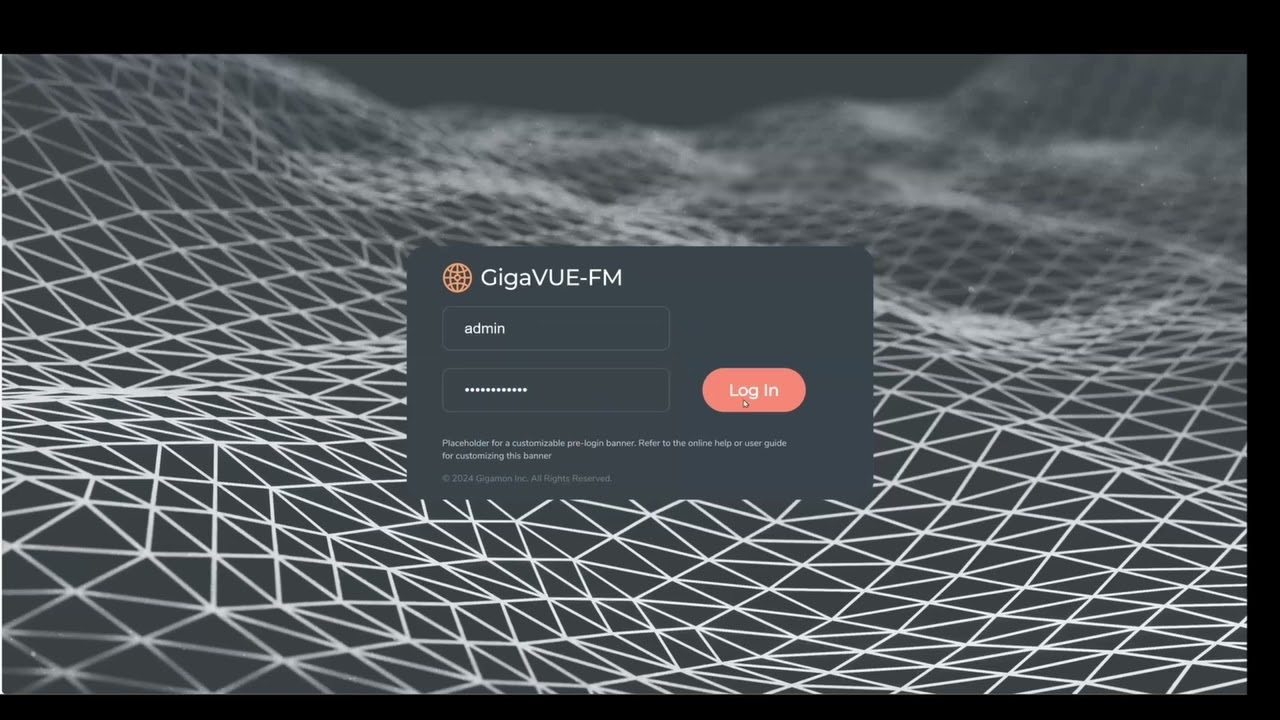
A successful demonstration showed that an AWS Fabric Manager instance, when configured with the appropriate IAM policy, can accurately identify associated AWS accounts and list available Virtual Private Clouds (VPCs). After logging into a Fabric Manager with a pre-configured IAM policy and creating a new VPC mirroring monitoring domain, the system immediately recognized the correct AWS account and presented a comprehensive list of deployed VPCs, confirming the policy's effectiveness in granting necessary visibility.
"“As you can see, now it has identified the account where I have the associated IAM policy, so now I have access to see every single VPC that is currently deployed within the environment.”"
Missing IAM Policy Prevents AWS Fabric Manager Functionality
A demonstration revealed that an AWS Fabric Manager instance without an attached IAM policy is unable to validate its EC2 instance role or establish a monitoring domain. The absence of the policy prevents the Fabric Manager from making necessary API calls to AWS, resulting in communication failures and a lack of visibility into the deployed environment. This inability to properly interact with AWS services underscores the critical role of IAM policies in cloud operations.
"“Nothing shows up because I've not given permissions for the Fabric Manager to communicate properly, to exchange API calls with AWS so that I can actually gain that visibility into the deployed environment.”"
Granular IAM Policies Require Manual ARN and VPC Definitions
When defining highly specific resource access within an AWS IAM policy, users must manually specify individual Amazon Resource Names (ARNs) or Virtual Private Clouds (VPCs) rather than relying on wildcard characters. This manual definition allows for granular control over permissions, ensuring that access is granted only to the intended resources. For assistance in configuring these detailed policies, organizations are advised to consult with Gigamon's Sales Engineers or Professional Services.
"“Yes, that would have to be user-defined. Like, I would define the ARN; I could define specific VPCs where I only wanted to have access to that. I can get very granular.”"
Also mentioned in this video
- The agenda for the session includes a primer on IAM policies, their basic… (3:00)
- The session will focus on managed policies, though both managed and inline… (6:00)
- Fabric Manager requires specific IAM permissions for operations like creating… (6:51)
- Ron revisits the initial Fabric Manager instance, confirming that the IAM… (16:16)
- A potential question about gaining visibility into another account, explaining… (17:17)
- Not all policy sets are required if VPC mirroring is not used, detailing that… (18:01)
- Ron offers to re-demonstrate the process of attaching a policy, ensuring the… (20:44)
- Ron re-demonstrates attaching an IAM policy to an EC2 instance by… (21:12)
- John helps Ron locate documentation examples for IAM policies, specifically… (22:48)
Summarised from GigamonTV · 26:43. All credit belongs to the original creators. Streamed.News summarises publicly available video content.