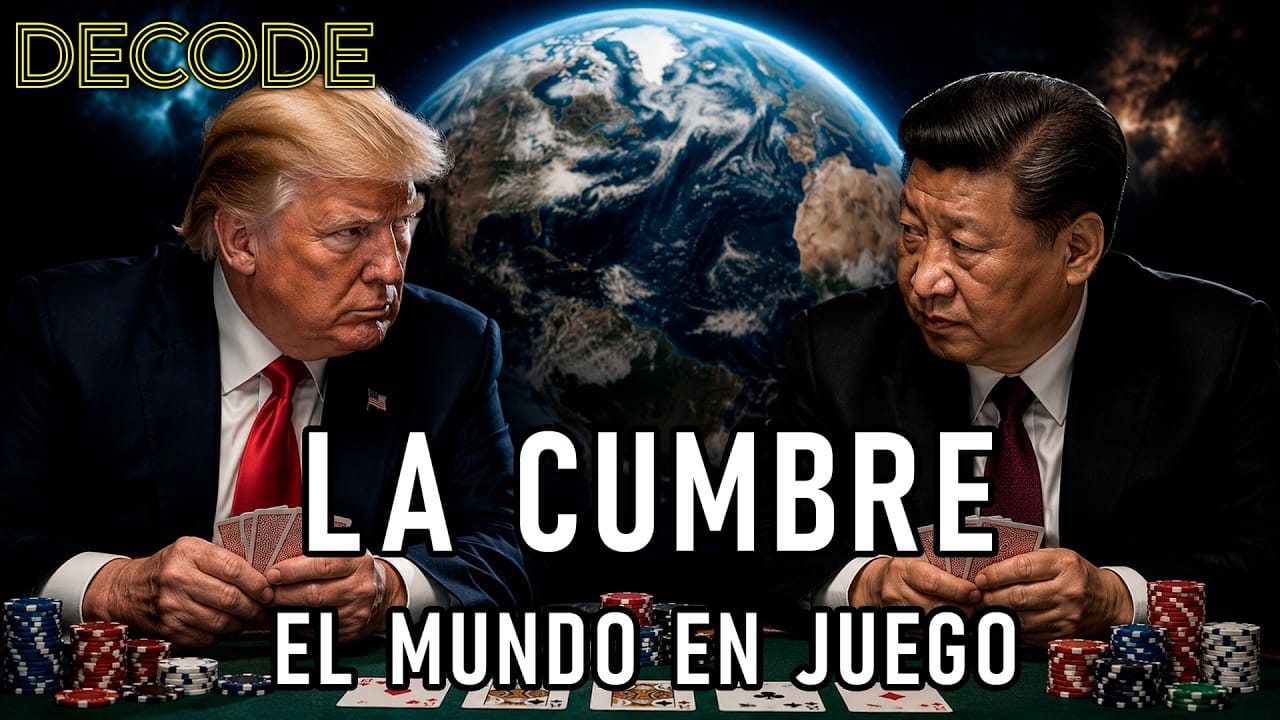
The United Nations Security Council has five permanent members with veto power. Three of them are currently involved in active military conflicts or proxy conflicts. The institution was not designed for this scenario — it was designed to prevent it.
The stress on multilateral institutions is not new, but the combination of factors is: great-power rivalry, a global south asserting strategic autonomy, and a set of planetary challenges — climate, pandemic, AI governance — that require coordination at precisely the moment when coordination is hardest.
The response from smaller powers has been pragmatic rather than idealistic. Countries like India, Brazil, and Saudi Arabia are building relationships with multiple great powers simultaneously, betting that strategic ambiguity is safer than alignment.
Streamed.News
This publication is generated automatically from YouTube.
Convert your full video library into a digital newspaper.
Get this for your newsroom →