🌐 Also available in: 🇪🇸 Español
Original source: The Prof G Pod – Scott Galloway
This video from The Prof G Pod – Scott Galloway covered a lot of ground. Streamed.News selected 8 key moments and summarises them here. Everything below links directly to the timestamp in the original video.
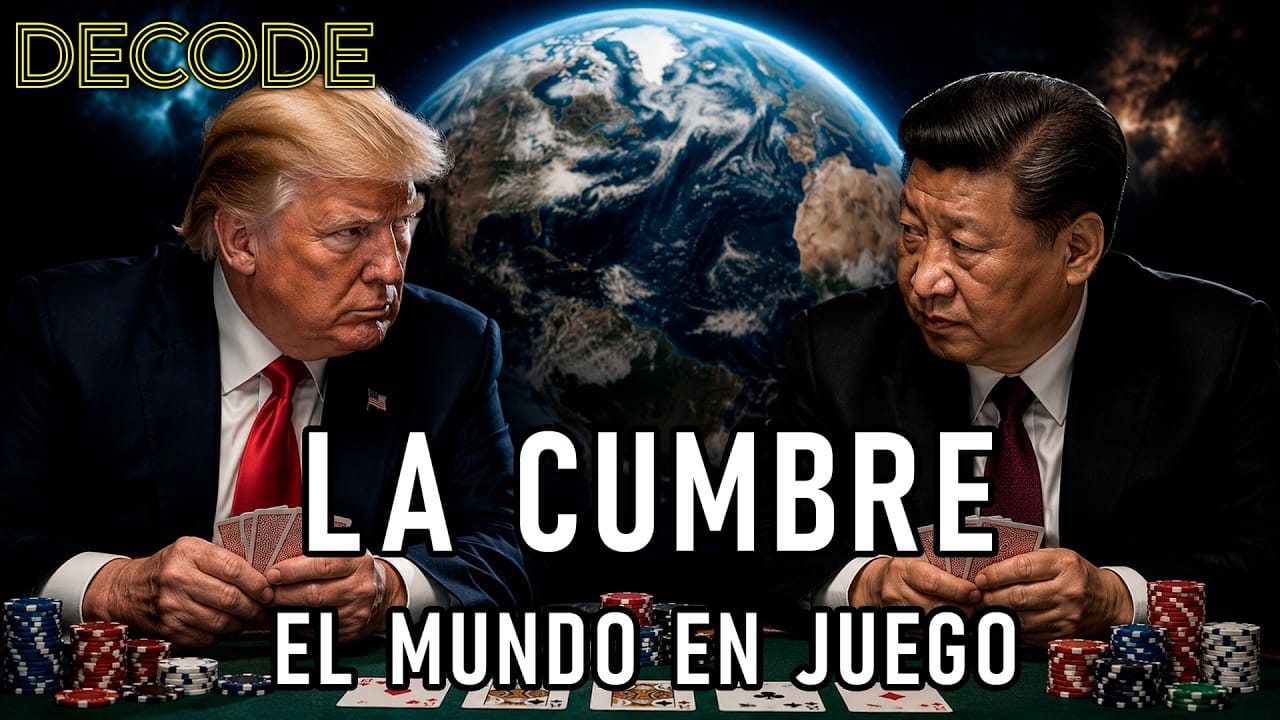
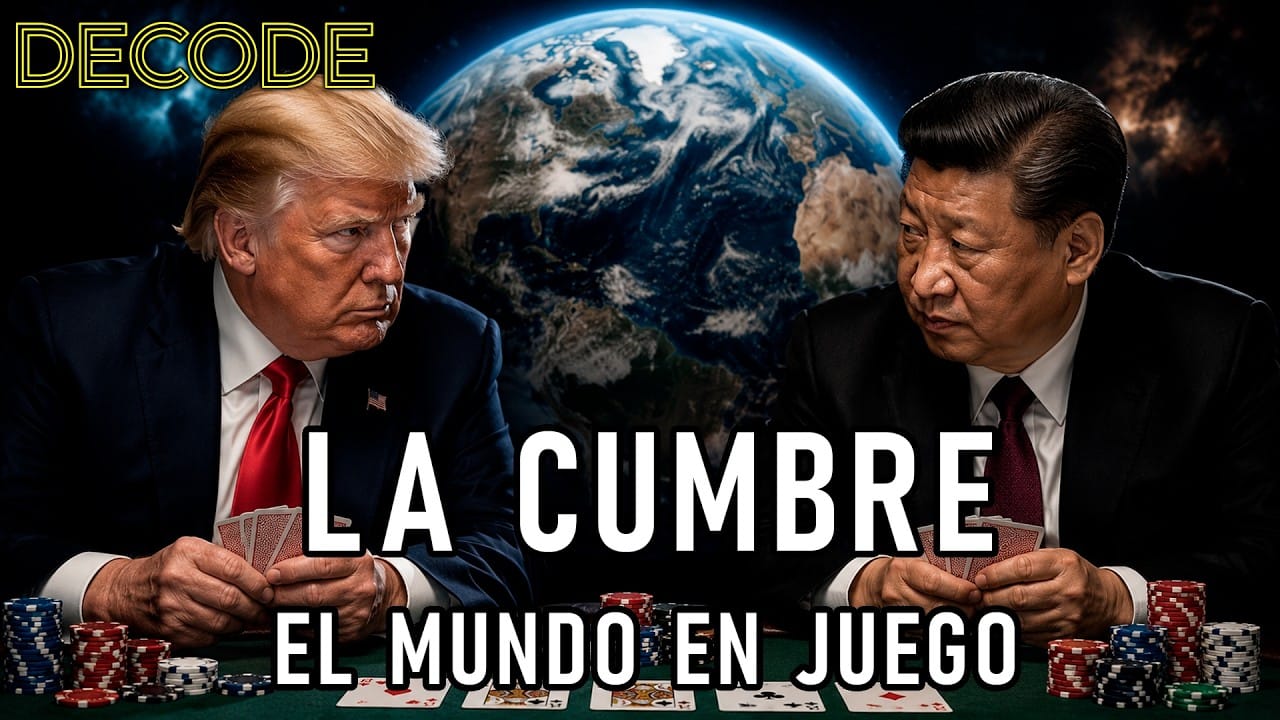
The escalating tensions between the U.S. and China over critical infrastructure in Latin America could reshape global trade routes and strategic alliances. Understanding the stakes in this competition helps clarify the broader geopolitical dynamics at play.
US and China Clash Over Panama Canal and Latin American Infrastructure
The United States and China are engaged in an escalating strategic rivalry over control of critical infrastructure in Latin America, particularly the Panama Canal. Former President Trump has asserted a desire to reclaim the canal, while a Panamanian court recently voided a long-term port operations contract held by CK Hutchinson, a Hong Kong company, for the key ports of Cristobal and Balboa. This legal action, which Beijing has vowed to challenge, follows the renewal of the Hong Kong firm's concession in 2021 for a 25-year term, marking a significant challenge to China's established presence.
This confrontation extends beyond the Panama Canal, encompassing other Chinese-owned ports and railway projects in the region, such as the Chancay port in Peru, operated by COSCO Shipping, and a proposed bi-oceanic railway connecting Peruvian and Brazilian ports. U.S. officials express concern over the potential dual-use (civilian and military) nature of these assets, highlighting a broader dissatisfaction with China's expanding infrastructure footprint. The situation signals an intensifying geopolitical struggle for influence over crucial trade routes and strategic assets in the Western Hemisphere, with potential implications for global commerce and regional stability.
"Beijing will take all measures necessary to firmly protect the legitimate and lawful rights and interests of Chinese companies."
Western Firms See China as R&D Hub, Not Just a Market
Western corporations, including AstraZeneca and Volkswagen, are increasingly investing in China not primarily for market access but as a critical hub for cutting-edge research and development and a source of highly skilled human capital. This represents a significant shift in China's global economic role, moving beyond its traditional function as a manufacturing base. AstraZeneca's recently announced $15 billion investment, for instance, is aimed at leveraging China's pharmaceutical research capabilities and talent pool.
This reorientation is driven by China's rapidly expanding pool of tertiary-educated youth, which is projected to be the most numerous on the planet in the coming decades. Companies like Volkswagen are also prioritizing China for global product launches and establishing major R&D centers. The structural imperative for Western firms to integrate into China's advanced research networks suggests that global competitiveness now often depends on access to Chinese innovation and human capital, presenting a complex challenge for Western policy frameworks that have historically viewed China primarily as an export market.
"It's now the case that some of the biggest companies in the West can't survive globally unless they're tapped into the Chinese R&D network."
Washington Pivots to Latin America, Citing China's Canal Threat
Washington is undertaking a strategic pivot toward Latin America, driven by growing concerns over China's extensive infrastructure investments, which are increasingly viewed as a direct security threat. Central to this apprehension is the Panama Canal, through which approximately 40% of U.S. container traffic transits. U.S. officials fear that China could leverage its influence over the canal to disrupt a significant portion of American maritime trade, potentially using such infrastructure for strategic leverage in a conflict scenario.
This heightened anxiety is underscored by Beijing's strong rhetoric, with China's Ministry of Commerce vowing to defend Chinese investors' interests at all costs following the voiding of a Hong Kong firm's port contract in Panama. The U.S. perceives China's infrastructure activities, from critical minerals to ports, as a calculated effort to expand its geopolitical influence in the Western Hemisphere. The situation suggests a deepening U.S.-China rivalry for regional dominance, where economic engagement is increasingly framed through a national security lens.
"From Washington's vantage point, China could use this to effectively block 40% of goods going into the U.S. via the Panama Canal."
Panama Court Voids Hong Kong Firm's Port Contract Amid US-China Tensions
A Panamanian court recently voided a long-term port contract held by a Hong Kong firm for operations within the Panama Canal, a move that the Trump administration is interpreting as a reassertion of U.S. influence in the region. The contract, previously held by CK Hutchinson, which had managed ports since 1997 and secured a 25-year renewal in 2021, involved two critical ports at either end of the canal. This development is setting the stage for a potential U.S.-China confrontation over strategic global trade choke points.
Beijing has swiftly responded, warning that it will take all necessary measures to protect Chinese interests, signaling that it will not concede its economic presence in the region. The Panama Canal is a vital artery for international trade, handling approximately 40% of U.S. maritime commerce. The unfolding events indicate an intensifying geopolitical competition in Latin America, where economic contracts are increasingly becoming instruments of strategic rivalry between global powers.
US Allies Face Dilemma Between China's Economic Appeal and US Security Demands
U.S. allies, including the UK and Canada, find themselves in a complex geopolitical dilemma, balancing their security reliance on the United States with substantial economic opportunities in China. Former President Trump has issued stern warnings, labeling deeper economic ties with Beijing as "dangerous." However, leaders like UK Prime Minister Keir Starmer argue against isolation, emphasizing China's status as the world's second-largest economy and the third-largest trade partner for the UK, advocating for continued engagement to foster jobs and wealth creation.
This tension highlights a fundamental structural challenge for middle powers navigating an increasingly bifurcated global order. The choice is not merely between economic and security alignments, but between the potential hollowing out of diplomatic affinity with the U.S. versus foregoing significant economic integration with a major global power. The divergence in perspectives reveals the difficulty of crafting coherent foreign and economic policies when faced with competing imperatives from the world's two largest economies.
"I don't think it's wise for the United Kingdom to stick its head in the sand. China is the second biggest economy in the world."
Middle Powers Seek Symbolic Resets with China Amid US Tensions
Middle powers such as Canada and the United Kingdom are pursuing a strategy of hedging between the United States and China, attempting to reset relations with Beijing through largely symbolic gestures while maintaining fundamental security ties with Washington. This approach, evident in recent diplomatic visits by figures like Mark Carney and UK Prime Minister Keir Starmer, includes announcements of visa-free travel and efforts to secure bilateral investment and market access, even if the tangible economic gains remain minor.
Despite China running substantial trade surpluses with most G7 middle powers, these nations seek to de-escalate tensions and explore economic opportunities, especially in areas like pharmaceutical supply chains, exemplified by AstraZeneca's $15 billion investment. This tactical engagement occurs against a backdrop of erratic U.S. foreign policy under Trump, which encourages allies to seek alternative forms of stability and economic partnership. However, the core challenge remains China's structurally rooted trade surpluses and the overarching U.S. security guarantee, limiting the scope for genuine strategic realignment.
"It's easy for them to go to China and say, 'Look, we're resetting relations. We're getting some deals on reducing tariffs on market access.' But at the end of the day, China, I think, will win because it's still going to run massive trade surpluses with these countries."
China Cautious on Latin America Amid Rising US Assertiveness
China is reportedly taken aback by the increased assertiveness of the United States in Latin America and is recalibrating its strategy to protect its assets while avoiding direct antagonism with the U.S., particularly under the Trump administration. Beijing aims to maintain control over its investments, such as ports, but is wary of escalating tensions that could lead to broader U.S.-led conflicts in the region, which would jeopardize overall U.S.-China relations and alienate European allies that China is actively courting.
The strategic calculation for China involves securing its existing economic footprint while minimizing geopolitical risks. The presence of U.S. warships near Cuba, a close Chinese ally, serves as a stark reminder of potential U.S. intervention. China's cautious approach indicates a desire to avoid being drawn into regional conflagrations that could have far-reaching diplomatic and economic consequences, preferring to consolidate its influence through less confrontational means in other regions.
"China wants to cling on to its assets but avoid poking the American bald eagle."
Trump Pressures Allies Over China Ties Amid Broader Geopolitical Shifts
Former President Trump is intensifying pressure on U.S. allies, including the UK and Canada, over their burgeoning economic ties with Beijing, labeling such relationships as "dangerous." This stance coincides with Washington's broader efforts to counter China's dominance in critical minerals, exemplified by a $12 billion initiative to stockpile rare earths, lithium, and copper. Simultaneously, China is engaging in "panda diplomacy" with Japan, amidst escalating tensions over Taiwan, suggesting a complex interplay of economic influence and strategic maneuvering.
The dynamic reveals a bifurcated approach in China's foreign policy: while attempting to improve relations with some G7 nations like Canada and the UK, Beijing faces worsening ties with others, notably Japan, particularly concerning issues like Taiwan and currency fluctuations. This illustrates the precarious balance nations are attempting to strike between economic necessity and geopolitical alignment in an increasingly contested international environment, where national security concerns are being integrated into economic policy.
"Trump is turning up the heat on American allies, he says, are getting too close to Beijing, warning the UK and Canada that deeper China ties are quote unquote dangerous."
Summarised from The Prof G Pod – Scott Galloway · 49:24. All credit belongs to the original creators. TheProfGPod summarises publicly available video content.