Original source: Andy Roddick's Served Media
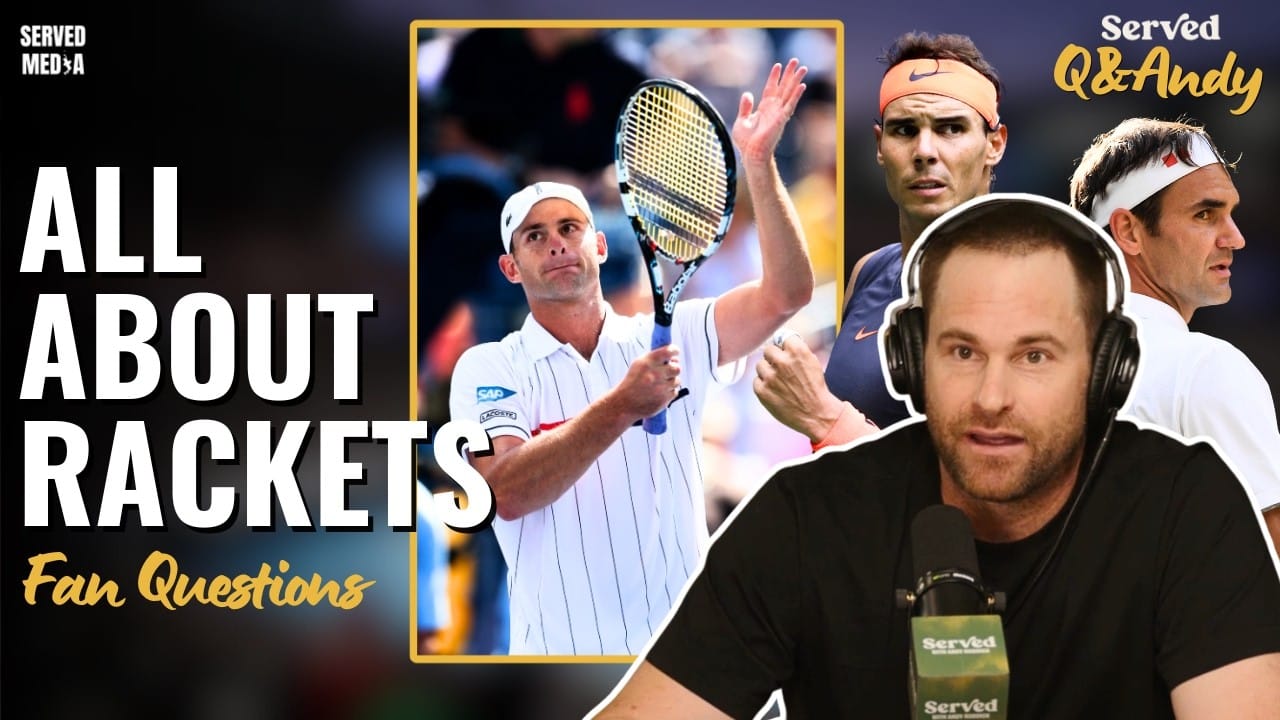
This video from Andy Roddick's Served Media covered a lot of ground. Streamed.News selected 4 key moments and summarises them here. Everything below links directly to the timestamp in the original video.
A subtle equipment change can dramatically shift the balance of power between two of a sport's greatest rivals. Andy Roddick explains the tactical genius behind Roger Federer's late-career resurgence.
Andy Roddick: Roger Federer's Late-Career Racket Switch Was Key to Beating Rafael Nadal
Andy Roddick argues that Roger Federer's decision to switch to a larger racket head late in his career was the critical factor in his renewed success against rival Rafael Nadal. The change allowed Federer to swing freely on his backhand returns, a shot he previously had to slice defensively, which neutralized a key part of Nadal's strategy against him.
This single equipment adjustment fundamentally altered the dynamic of their rivalry. Roddick notes that even Nadal acknowledged the post-switch Federer as the best version he had ever faced, suggesting Federer might have benefited from making the change years earlier.
"When he wasn't in his prime anymore, because of that racket switch, he kind of code-switched the matchup against Rafa and had a really good run."
String Technology, Not Rackets, Has Been the Biggest Game-Changer in Modern Tennis, Says Roddick
The most significant technological revolution in professional tennis has come from strings, not rackets, according to former world No. 1 Andy Roddick. He identifies the introduction of Luxilon strings as a turning point that enabled players to generate unprecedented power and spin, forcing racket manufacturers to design frames that could accommodate the new technology.
This shift presented strategic trade-offs for players. Roddick explains that while Luxilon strings improved his baseline game and returns, he ultimately chose not to use them consistently because they negatively affected the feel of his primary weapon: his serve.
"The biggest change by far in technology... I feel like most of the pro tours would tell you the biggest change has been in strings."
Andy Roddick Explains Career-Long Loyalty to Babolat, Cites Risks of Switching Equipment
Andy Roddick stated he never considered switching from his Babolat rackets during his career, viewing rackets and shoes as the two pieces of equipment a player cannot afford to compromise. He noted that while clothing brands are interchangeable, a player's connection with their shoes and racket is fundamental to their performance and injury prevention.
He warned that chasing a bigger sponsorship deal by changing equipment can be a disastrous career move. Roddick cited examples of top players who struggled to adapt after switching brands, reinforcing his decision to stick with the Babolat frame that provided the power his game relied on.
"Shoes mattered big time... and rackets. You see people get foot injuries because they switch. If you find a shoe you kind of stick in."
Why Pro Tennis Players Carry a Dozen Rackets to a Match, According to Andy Roddick
Professional tennis players carry a large fleet of rackets to a match not simply for backups, but as a strategic toolkit to adapt to changing conditions, explains Andy Roddick. A player will have multiple rackets strung at various tensions to be prepared for shifts in weather, court speed, or other environmental factors during a match.
These adjustments are crucial for maintaining control. Roddick notes that a player might use a racket with a higher string tension when playing with the wind and switch to a lower tension when playing against it, ensuring they have an optimized setup for every scenario.
"You'll see players use a tension with the wind that's two pounds tighter than against the wind. All of those things matter."
Also mentioned in this video
- His personal preferences for racket weight and balance during his professional… (0:49)
- A fan question about his appearance in the PlayStation 2 game 'Smash Court… (15:38)
Summarised from Andy Roddick's Served Media · 18:55. All credit belongs to the original creators. Streamed.News summarises publicly available video content.