Original source: Ride-Along Sessions with Cookie!
This video from Ride-Along Sessions with Cookie! covered a lot of ground. 3 segments stood out as worth your time. Everything below links directly to the timestamp in the original video.
Understanding how minor wind shifts impact navigation is crucial for anyone engaging in wind-dependent water sports, as it can be the difference between reaching your goal safely or encountering unexpected hazards.
Slight Wind Shifts Critically Impact Windsurfer's Course in Vassiliki Bay
Even a minor 15-degree shift in wind direction, whether veering clockwise or backing anticlockwise, can dramatically alter a windsurfer's trajectory and distance from their intended destination. This slight change can move a windsurfer hundreds of meters off course, potentially pushing them into hazardous zones like a busy harbor, necessitating immediate adjustments to their sailing line.
The reality is that such subtle meteorological changes underscore the critical importance of constant situational awareness for water sports enthusiasts. What this amounts to is that relying on an initial course setting without accounting for dynamic wind conditions can lead to significant navigational errors, turning a planned route into an unexpected challenge or danger. This is not simply about maintaining speed; it is about ensuring safety and efficiency by adapting to environmental variability.
Windsurfers Cautioned Against Sole Reliance on Waves for Wind Direction
Windsurfers must employ a variety of indicators to accurately gauge wind direction, as relying exclusively on wave patterns can be misleading. Waves exhibit a significant lag in responding to shifts in wind, meaning their direction may not accurately reflect the current wind conditions, particularly when the wind veers or backs subtly.
This is not simply about minor inconvenience; it is about safety and efficiency. A shift of merely 5 to 10 degrees in wind direction, if unnoticed due to delayed wave response, can result in a windsurfer being hundreds of meters off course from their intended starting point or a safe landing zone. The reality is that multiple sensory inputs and contextual observations are essential for effective navigation in dynamic wind environments.
Beach Flags Serve as Key Indicators for Near-Shore Wind Shifts
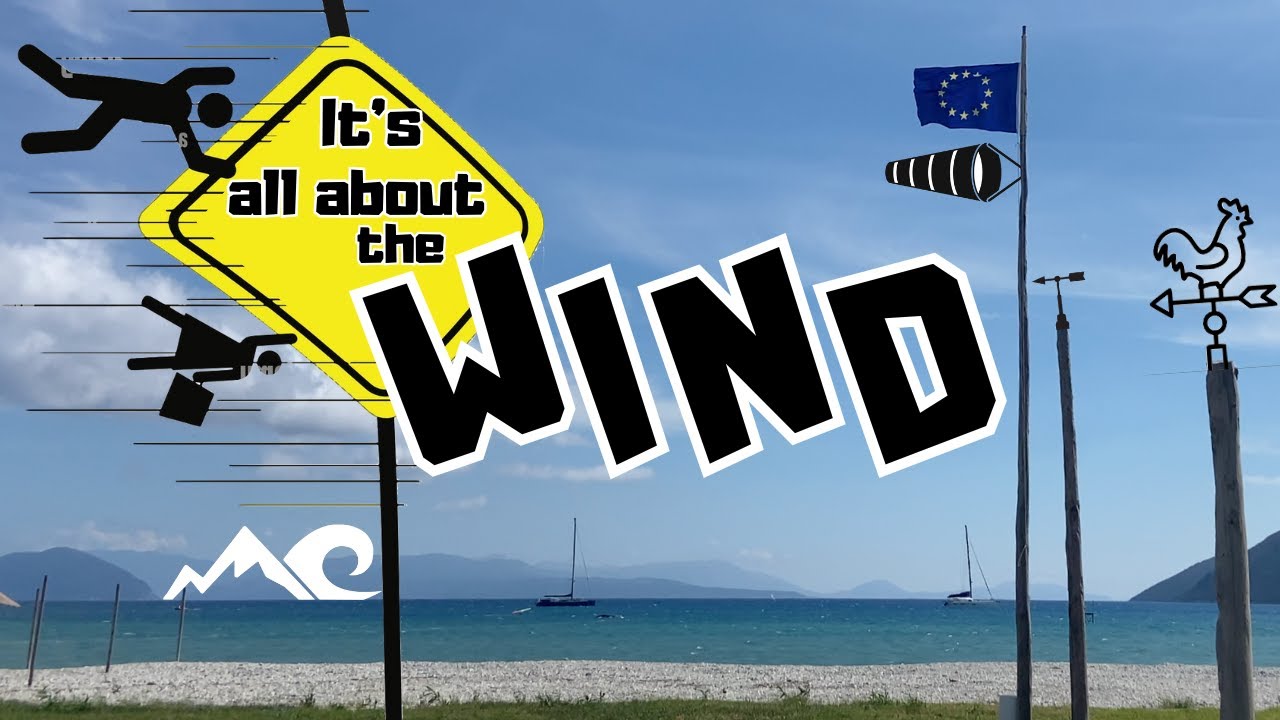
Flags positioned on the beach provide valuable real-time wind data, particularly for detecting subtle shifts in wind direction near the land. Observing multiple flags allows windsurfers to discern if the wind is blowing cross-shore, directly offshore, or exhibiting a slight cross-offshore angle, which might differ from conditions further out in the bay.
The reality is that while offshore wind conditions may appear consistent, the presence of land can create localised atmospheric effects that alter wind flow. What this amounts to is that by monitoring flags, wind sports enthusiasts can anticipate changes in wind direction as they approach the shore, enabling them to adjust their course to reach their target destination more precisely and safely. This is not simply about visual cues; it is about understanding how geography influences microclimates.
Summarised from Ride-Along Sessions with Cookie! · 15:14. All credit belongs to the original creators. Cookie Windsurf summarises publicly available video content.