Original source: Ride-Along Sessions with Cookie!
This video from Ride-Along Sessions with Cookie! covered a lot of ground. 3 segments stood out as worth your time. Everything below links directly to the timestamp in the original video.
For anyone looking to improve their windsurfing, understanding the connection between light-wind practice and high-wind performance is crucial. It suggests that consistent, fundamental training can yield significant results in more demanding scenarios.
Windsurfing Drills Emphasize Core Skills for High-Wind Performance
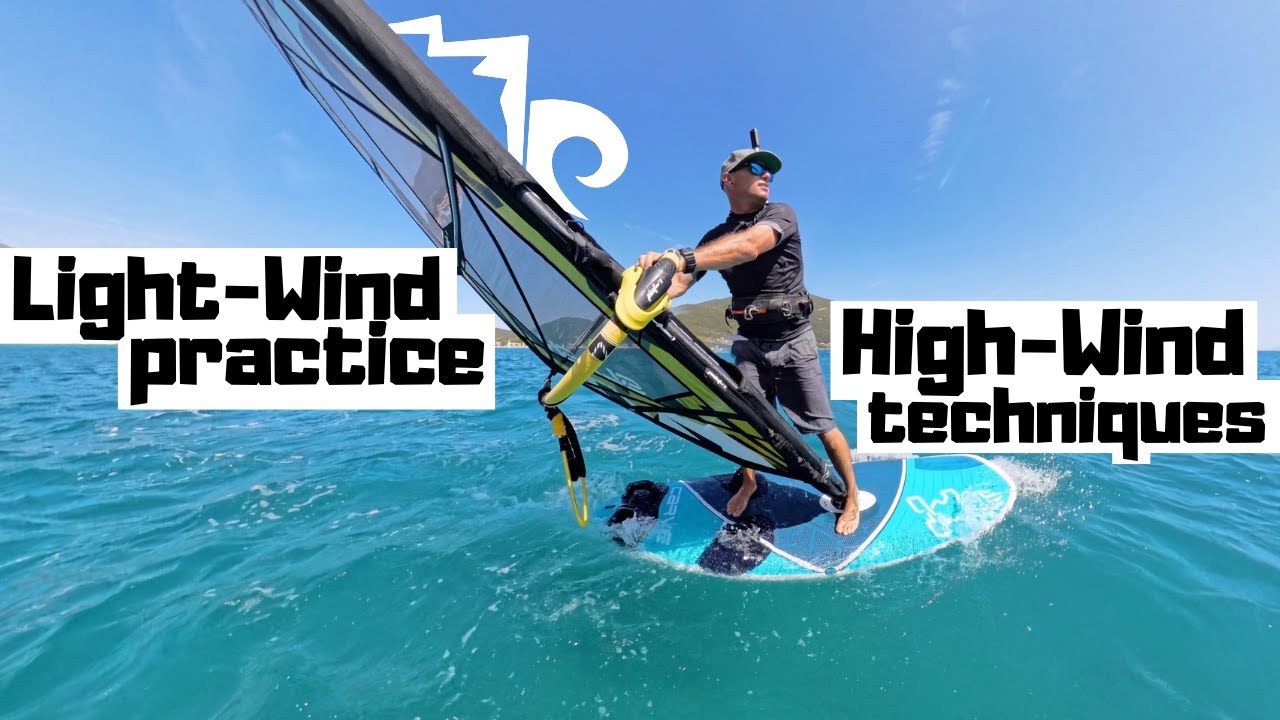
Windsurfing instruction often focuses on specific maneuvers, but the presenter advocates for a broader approach. This method involves generic light-wind sessions designed to enhance fundamental attributes such as balance, coordination, agility, and overall control. These foundational skills are not merely recreational but serve as direct practice for advanced techniques required in high-wind conditions.
This pedagogical shift underscores the importance of mastering basic body mechanics before attempting complex maneuvers. By building a strong base in light winds, windsurfers can more effectively translate these skills to challenging environments, ultimately improving their performance and safety when facing stronger gusts and more dynamic water conditions. The goal is to cultivate adaptable and intuitive control, rather than rote memorization of individual steps.
"These skills and drills are light wind practice for high wind technique. You could see them as light wind freestyle, which is great and super useful. However, I'm going to think of it more as these light wind skills that make you better at high wind stuff."
Light-Wind Footstrap Drill Improves Windsurfing Control
A core windsurfing drill involves bearing away slightly and maneuvering both feet into the footstraps while in light wind conditions. This requires significant control over the mast and body positioning, particularly pulling down through the mast and engaging the toes, often performed out of the harness. The difficulty of this maneuver varies depending on the board type, making it a crucial test of foundational skill.
Once proficiency is achieved in placing both feet in the straps, the exercise progresses to a non-planing carve jibe, or a "flare jibe," executed with only one foot in a strap. This sequence builds directly on the balance and board control developed in the initial drill, demonstrating how fundamental light-wind practice translates into enhanced agility and precision needed for more dynamic high-wind maneuvers.
"Light wind into both footstraps and then keep sailing... Once I can do that, both feet into the straps in the light wind, it's quite a good fun one to then go front foot only into the strap and then around what is very nearly a flare jibe."
Advanced Jibe and Tack Drills Enhance Windsurfing Agility
Building on foundational skills, advanced windsurfing drills include sinking the board's tail deeply, almost submerging the knees, followed by a quick foot change to execute a jibe. This maneuver demands significant coordination and agility, particularly on larger boards such as a 133-liter carve board, as demonstrated by an 80kg rider. The focus is on fluid transitions and maintaining balance under challenging conditions.
The progression continues with an upwind tack, where the rider steps around into a backwinded position from a beam reach. This technique allows the board to pivot through the wind, completing the tack and bringing the sail back to its normal side. The reality is that these exercises are not simply about executing individual moves; they are about cultivating continuous coordination and adaptability, making the rider more proficient and less rigid in varying wind and water states.
"One of the conversions would be sink the tail as much as you can... then the foot change and bring it around. It's definitely about being coordinated and agile, not just stuck in the same sailing position."
Summarised from Ride-Along Sessions with Cookie! · 16:07. All credit belongs to the original creators. Cookie Windsurf summarises publicly available video content.