Original source: Ride-Along Sessions with Cookie!
This video from Ride-Along Sessions with Cookie! covered a lot of ground. 3 segments stood out as worth your time. Everything below links directly to the timestamp in the original video.
Understanding the precise steps for a windsurfing tack can transform a challenging maneuver into a seamless transition. This insight helps clarify how experienced windsurfers maintain control and momentum.
Windsurfing Tack Entrance Relies on Upwind Positioning and Hand Placement
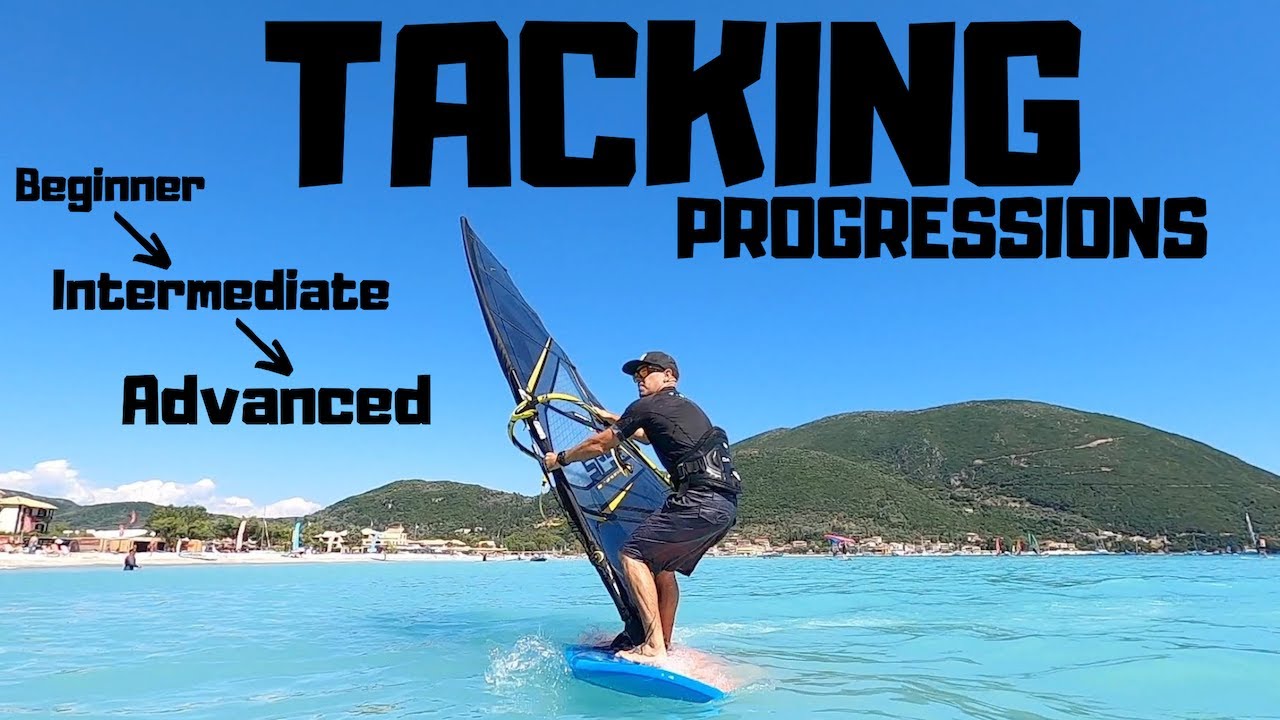
Executing a successful tack entrance in windsurfing fundamentally depends on maintaining an upwind trajectory while still engaged in the harness. The crucial sequence involves placing the front hand firmly on the mast, then disengaging from the harness, and only then initiating the steer into the wind. This methodical approach ensures stability and control as the sailor transitions from a powered stance to preparing for the turn.
This technique is particularly salient for windsurfers at the advanced beginner or intermediate stages, who regularly utilize a harness for speed and efficiency. Mastering this initial phase of the tack is not merely a technical detail; it establishes the foundation for the entire maneuver, influencing the speed, fluidity, and overall success of the turn. The ability to consistently achieve an optimal entrance minimizes energy expenditure and maximizes the chances of a clean transition.
Consistent Upwind Sailing and Hand Placement Precede Windsurfing Tack
The initial stages of a windsurfing tack consistently require sailing upwind, irrespective of speed or equipment use. Sailors must first ensure they have adequate space before placing their front hand on the mast and unhooking from the harness. This specific sequence precedes any attempt to slow down or initiate the turn itself, establishing a controlled setup for the subsequent maneuver.
This deliberate pre-tack protocol highlights that safety and precision are paramount, even for experienced windsurfers utilizing foot straps and harnesses at high speeds. The reality is that the disciplined execution of these preparatory steps is not simply about technique; it is about mitigating risks and ensuring a smooth transition, allowing the sailor to maintain equilibrium and control throughout the entire tack.
Footwork Crucial for Rapid Windsurfing Tack Initiation
Effective footwork is a critical component during the entrance phase of a windsurfing tack, complementing rig steering to achieve a quick turn. The technique involves placing the front foot around the mast early in the sequence, followed by applying significant pressure to the back foot. This rearward weight distribution is instrumental in causing the board to pivot rapidly upwind and into the wind, regardless of the board's initial speed.
This is not simply about moving feet; it is about leveraging body weight to influence the board's direction with precision and speed. The reality is that this principle applies equally to advanced maneuvers like powerful carve tacks performed at high speeds with harnesses and foot straps, demonstrating that fundamental control over the board's turning radius is achieved through targeted foot pressure.
Summarised from Ride-Along Sessions with Cookie! · 18:44. All credit belongs to the original creators. Cookie Windsurf summarises publicly available video content.