Original source: TubeBuddy
This video from TubeBuddy covered a lot of ground. Streamed.News selected 7 key moments and summarises them here. Everything below links directly to the timestamp in the original video.
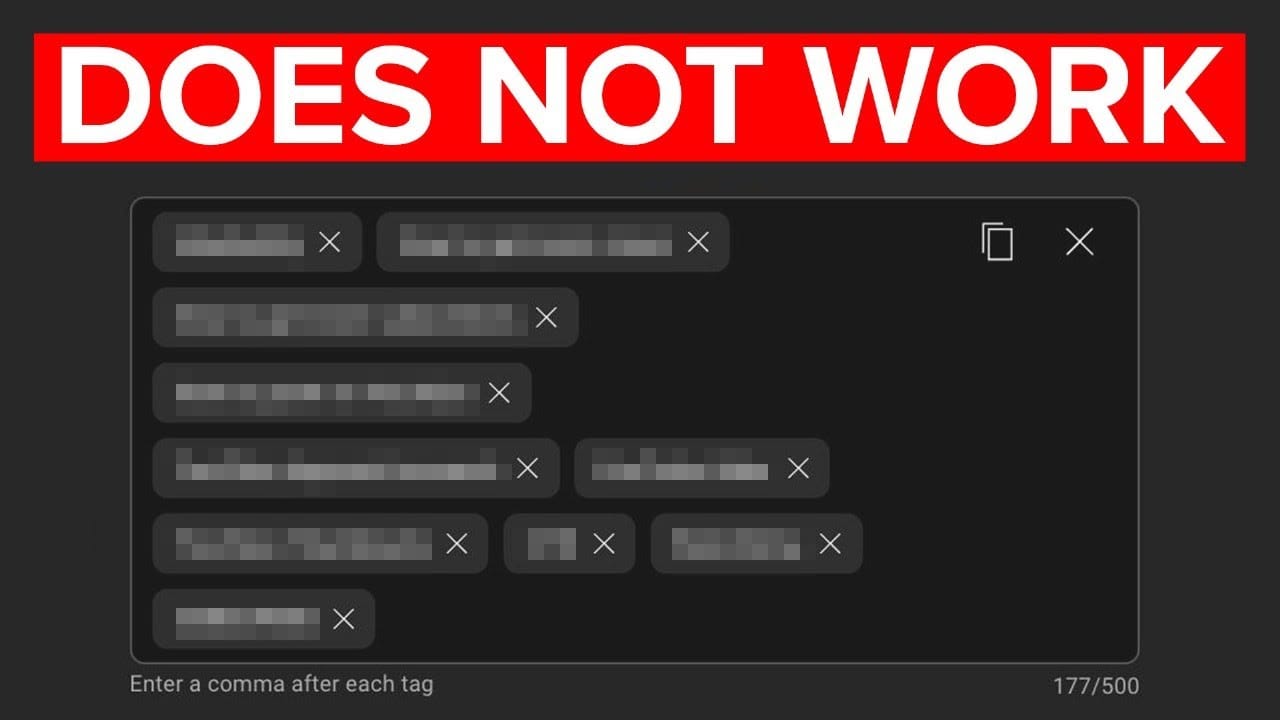
If you're struggling to find an audience on YouTube, your tags might be too broad. Using highly specific phrases that match what viewers are actually searching for can make your content visible to the right people.
YouTube Creators Urged to Use 'Long-Tail' Keywords for Better Visibility
Creators often use broad, high-traffic tags like "cooking" or "marketing," believing it maximizes exposure. However, this strategy is ineffective due to immense competition, making videos harder to find. Instead, using specific, multi-word "long-tail" phrases such as "vegan lasagna recipe" or "social media marketing tips for beginners" directly targets viewers actively searching for that exact content.
This targeted approach not only improves discoverability but also attracts an audience that is more likely to watch and engage with the video. By failing to use specific keywords, creators miss a key opportunity to connect with a motivated viewership and grow their channel effectively.
"The mistake here isn't that your tags are wrong, it's that they're not specific enough. And when you're not focusing on these longtail keywords, you miss the opportunity to reach viewers who are more likely to watch, engage, and help grow your channel."
YouTube Tag Strategy Should Include Misspellings and Brand Names to Boost Reach
To maximize a video's reach, creators should include common variations and even potential misspellings of their keywords in the tags. For instance, a video about "YouTube growth" could also be tagged with related phrases like "grow on YouTube" to capture different search queries from viewers.
Furthermore, consistently using a unique brand or series tag, such as "Breakaway Breakdowns," helps YouTube's algorithm recommend more of a creator's own content. This tactic encourages binge-watching by suggesting other relevant videos from the same channel after a viewer finishes one.
"Adding these variations can help catch those searches so your video still shows up even if the viewer types it a little bit differently."
Optimal YouTube Strategy Blends Broad and Specific Tags for Maximum Visibility
While specific "long-tail" keywords are crucial for reaching a targeted audience, creators should not abandon broad tags entirely. An effective strategy involves a mix of broad, specific, and long-tail tags to give YouTube a comprehensive understanding of the video's content and context.
Broad tags act as general category labels, helping the algorithm grasp the video's overall topic. When combined with specific tags that pinpoint the intended viewer, this balanced approach increases the chances of a video appearing in both general and highly targeted search results.
"Broad tags help YouTube understand the overall topic of your video, while the more specific, and longtail tags pinpoint exactly who you're targeting."
Creators Mistakenly Place YouTube Tags in Description, Confusing Them With Hashtags
A common error among YouTube creators is placing regular keyword tags directly into the video description box, a practice that does not improve search visibility. The description's purpose is to explain the video's content to viewers using natural language, not to serve as a list of search terms.
This mistake often stems from confusing regular tags with hashtags, which do belong in the description to connect content with similar topics. Standard tags, however, must be placed in the dedicated tag section during the upload process for YouTube's algorithm to use them correctly.
"Don't get confused with hashtags and regular tags. Hashtags do belong in the description... But regular tags without the hashtag should go in the dedicated tag section during upload, not in the description."
YouTube Tagging Success Relies on Quality Over Quantity, Experts Advise
Creators should prioritize the quality and relevance of their YouTube tags rather than simply trying to fill the 500-character limit. Using a handful of well-chosen, highly relevant tags is more effective for discoverability than a long list of unrelated or weak keywords.
To maximize impact, the most important and targeted keywords, especially the video's primary search phrase, should be placed first in the list. This focused approach yields better results than simply stuffing the tag section with as many terms as possible.
"What matters is using a handful of well-chosen, relevant tags rather than a long list of unrelated ones."
YouTube Success in 2025 Demands Specific, Relevant Video Tags
To effectively grow a channel on YouTube in 2025, creators must shift away from vague, overused tags like "YouTube algorithm" and instead build a list of specific, highly relevant keywords. The goal is to create a tag list that accurately describes the video's content and its intended audience.
This involves using search phrases that viewers would realistically type into the search bar. A focused and relevant tag list gives YouTube's algorithm a clear signal about the video's subject matter, improving its chances of reaching the right people.
"Instead of using vague overused tags like YouTube algorithm or subscribers, we need to build a tag list that tells YouTube exactly what our video is about and who it is for."
Misleading YouTube Tags Can Damage Channel Credibility and Performance
Stuffing YouTube video tags with irrelevant but trending keywords or celebrity names is an outdated strategy that can harm a channel. The platform's algorithm can quickly detect a mismatch between a video's tags and its actual content, which negatively impacts its performance and search ranking.
This practice frustrates viewers who click expecting one topic and find another, causing them to leave quickly. Over time, using misleading tags can damage a channel's credibility and may even lead YouTube to flag future content from that creator as spammy.
"If somebody clicks your video expecting one thing and gets something completely different, that's only going to confuse and frustrate them. So, they're not going to stick around and watch."
Also mentioned in this video
- YouTube tags still play a role in video discovery for 2025, but many creators… (0:00)
- One common mistake is spending excessive time and stress on tags, as YouTube… (0:51)
- After optimizing tags, it's crucial to pair them with a high-quality video,… (8:02)
- Tags alone cannot save bad content, but users can speed up finding good tags by… (8:19)
Summarised from TubeBuddy · 8:54. All credit belongs to the original creators. Streamed.News summarises publicly available video content.