Original source: Ride-Along Sessions with Cookie!
This video from Ride-Along Sessions with Cookie! covered a lot of ground. 3 segments stood out as worth your time. Everything below links directly to the timestamp in the original video.
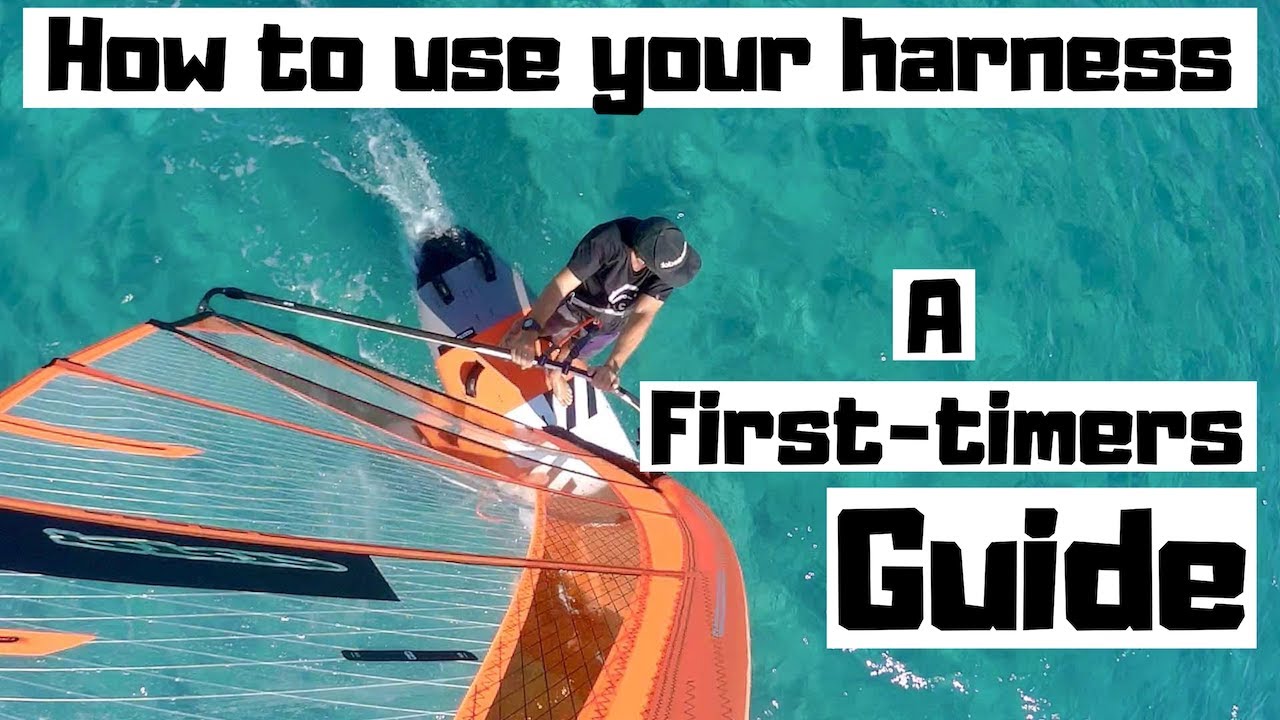
Mastering the harness is a pivotal step in windsurfing, yet many struggle with fundamental setup. Understanding the subtle impact of harness line length can significantly smooth the learning curve for aspiring windsurfers.
Windsurfers Advised to Use Longer Harness Lines for Easier Learning
Beginner windsurfers should equip themselves with longer harness lines to facilitate learning and control, a common error even among experienced practitioners. The extended length provides crucial space from the boom, simplifying the initial stages of harnessing technique. This recommendation stems from observations that shorter lines frequently hinder proper stance and overall sailing position.
For practical guidance, a typical windsurfer standing 5'8" (180 cm) tall and weighing 75-80 kg often utilizes lines ranging from 30 to 32 inches. Additionally, quick-release harness lines are available, offering a safety mechanism for those apprehensive about becoming entangled or trapped underwater. The primary focus, however, remains on line length as a foundational element for developing proficiency.
"When you're first learning to use the harness and really getting control of it, making the longer definitely will make things a little bit easier. You need the space away from the boom."
Optimal Harness Line Placement Improves Windsurfing Control for Beginners
Proper placement of harness lines is crucial for windsurfing beginners, with a rough guideline suggesting a "hands count" method relative to sail size (e.g., five hands for a 5-meter sail). Positioning lines too far forward can be advantageous for new learners, as it inherently reduces the sail's power, making the initial experience more manageable and reducing the risk of being catapulted forward. This forward placement helps acclimate new users to the harness without overwhelming them with excessive force.
Furthermore, sailing upwind on a board without a centerboard significantly aids in harnessing by creating optimal body positioning. This stance involves leaning slightly on the windward edge, allowing the windsurfer to naturally approach the harness hook. Attempting to harness while sailing downwind or with too much power makes it considerably more difficult to connect, underscoring the importance of initial board and wind orientation for successful harnessing.
"When you're learning to use the harness, less power will make things easier. More power, I'm more likely to fall in forwards out the front door, called the Catapult."
Windsurfing Techniques for Seamless Harness Hook-in and Control
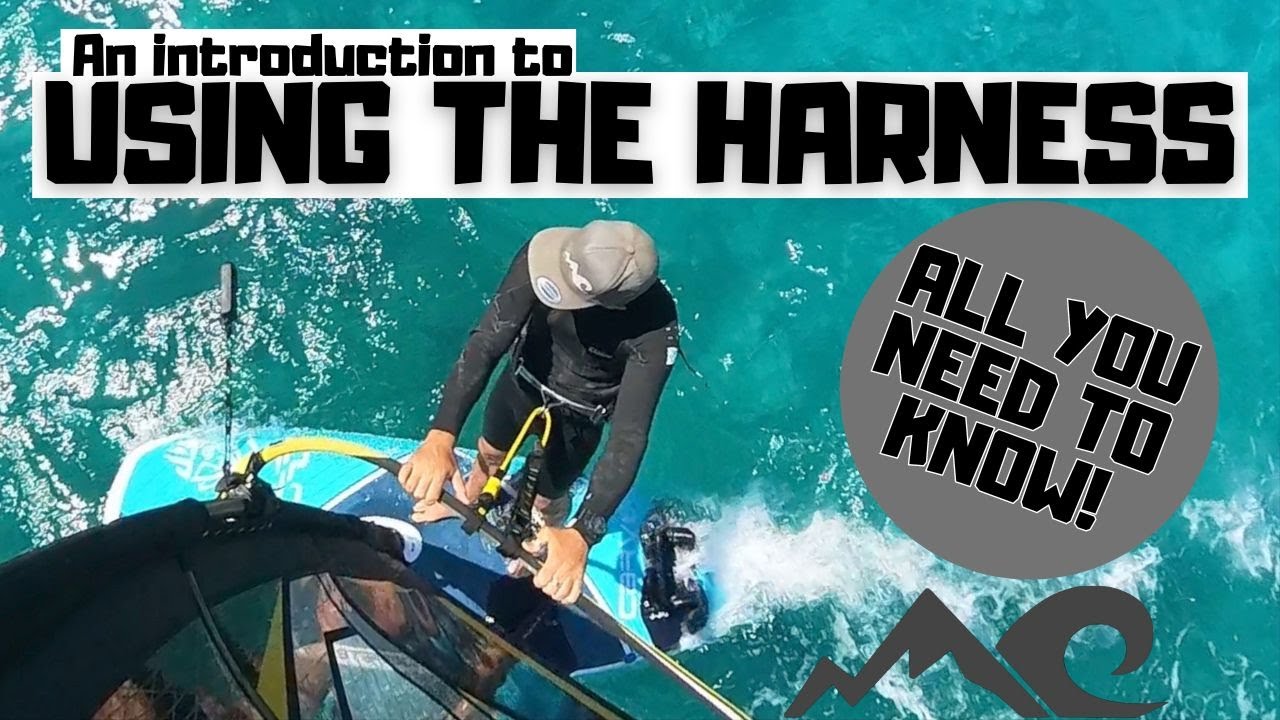
Effective techniques for hooking into a windsurfing harness involve using the back hand to guide the line and subtle hip movements to align with the hook. Immediately after engagement, the windsurfer must reset their vision, looking over their shoulder, and gently lean back against the sail. This counter-balancing action maintains tension in the harness lines, a critical element for preventing forward falls and ensuring stable control.
Maintaining tension in the harness lines is paramount; a slack rig makes it difficult to ascertain if one is properly hooked in. Once secured, control largely shifts to the front hand, which can be subtly pulled in to steer upwind and depower the sail, effectively spilling wind and preventing the windsurfer from being pushed over the front. This nuanced interaction between body position, vision, and hand control is fundamental for sustained, stable harnessing.
"As soon as I hook in, make sure there is that tension in the harness lines there. Makes it much easier to control."
Summarised from Ride-Along Sessions with Cookie! · 16:16. All credit belongs to the original creators. Cookie Windsurf summarises publicly available video content.