Original source: Ride-Along Sessions with Cookie!
This video from Ride-Along Sessions with Cookie! covered a lot of ground. 3 segments stood out as worth your time. Everything below links directly to the timestamp in the original video.
Understanding how different windsurfing board designs influence performance is crucial for riders looking to maximize speed and control on the water. This is not simply about minor adjustments; it is about fundamentally different operational principles.
Windsurfing Board Design Dictates Planing Technique
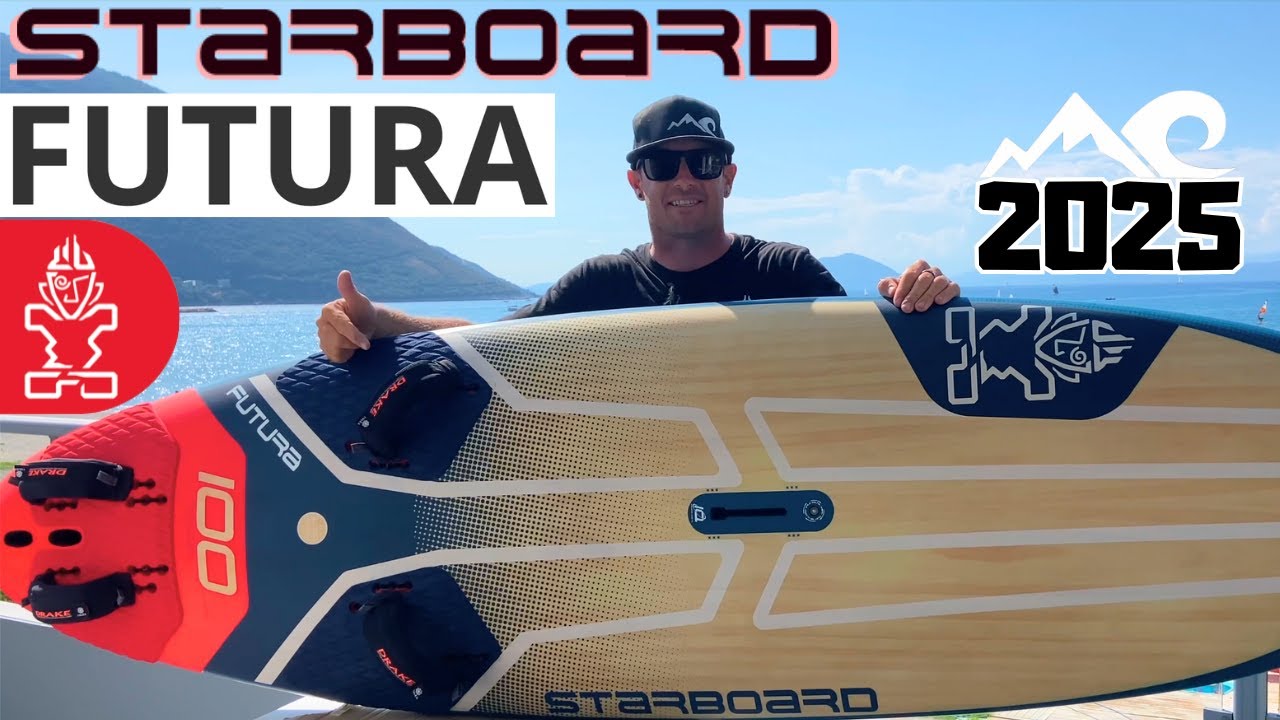
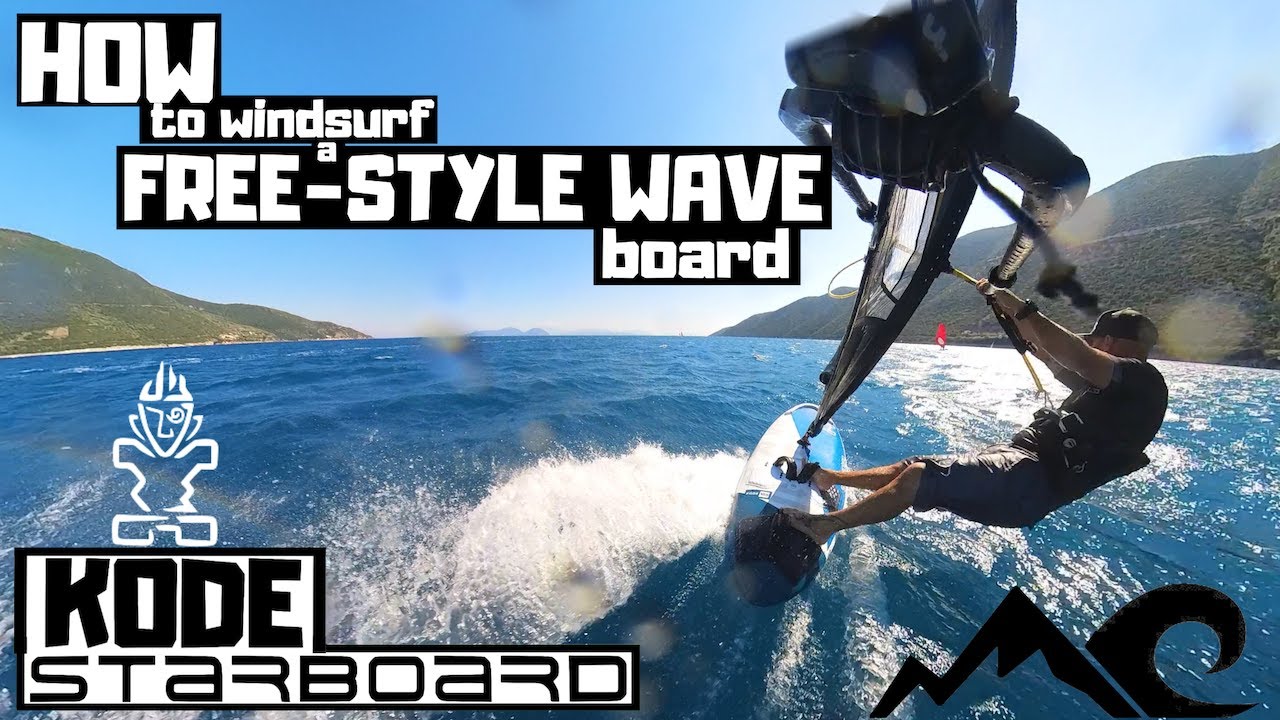
Windsurfers must adapt their planing technique to the specific design of their board, particularly its fin configuration. Unlike free-ride boards such as Starboard's Carve or Futura models, which feature long, straight fins that allow for sideways back-foot pressure to achieve lift and speed, freestyle wave boards like the 105 Kode, equipped with a shorter 21-centimeter center fin and two 11-centimeter thrusters, will either sink or turn into the wind if subjected to similar pressure. The reality is that the fin setup fundamentally alters the hydrodynamics, preventing the board from engaging with the water in the same way.
"If you try to do that on something like this, this is the 105 Kode with a 21-centimeter center fin and two 11-centimeter thrusters on either side of it, the board would either sink and or turn into the wind, but it wouldn't start to get you planing."
Front Foot Pressure Key for Planing Freestyle Wave Boards
To effectively plane a freestyle wave board, riders must primarily apply pressure through their front foot, driving the board flat and building speed before engaging the back foot. This technique often requires bearing away more significantly than with a free-ride board to generate the initial momentum and maneuverability needed to lift onto the plane. What this amounts to is a more nuanced engagement with the board's rails and hull, leveraging the front-end design to cut through the water and accelerate.
"You need front foot pressure, driving that board flat, getting the board up to speed before you then even think about putting that back foot in."
Front Foot Dominates Control on Freestyle Wave Boards
Control on a freestyle wave board is predominantly managed through the front foot, as any significant sideways pressure from the back foot, whether through the toes or heel, will cause the board to spin out and lose stability. The reality is that the board's design, particularly its shorter fins and thrusters, is highly sensitive to lateral forces from the rear, which disrupt its intended hydrodynamic flow. This is not simply about balance; it is about directing the board's trajectory through calibrated anterior pressure.
"If I was to push the board sideways, either through my toes or my heel, especially if I'm in that back foot strap, the board starts to spin out a little bit and doesn't like what's being done to it."
Summarised from Ride-Along Sessions with Cookie! · 16:09. All credit belongs to the original creators. Cookie Windsurf summarises publicly available video content.