Original source: Ride-Along Sessions with Cookie!
This video from Ride-Along Sessions with Cookie! covered a lot of ground. 3 segments stood out as worth your time. Everything below links directly to the timestamp in the original video.
Understanding how a harness transforms the windsurfing experience reveals a crucial aspect of advancing in the sport. It illustrates the blend of technique and equipment necessary to master powerful forces on the water.
Windsurfers Transition to Harness Use for Enhanced Control and Speed
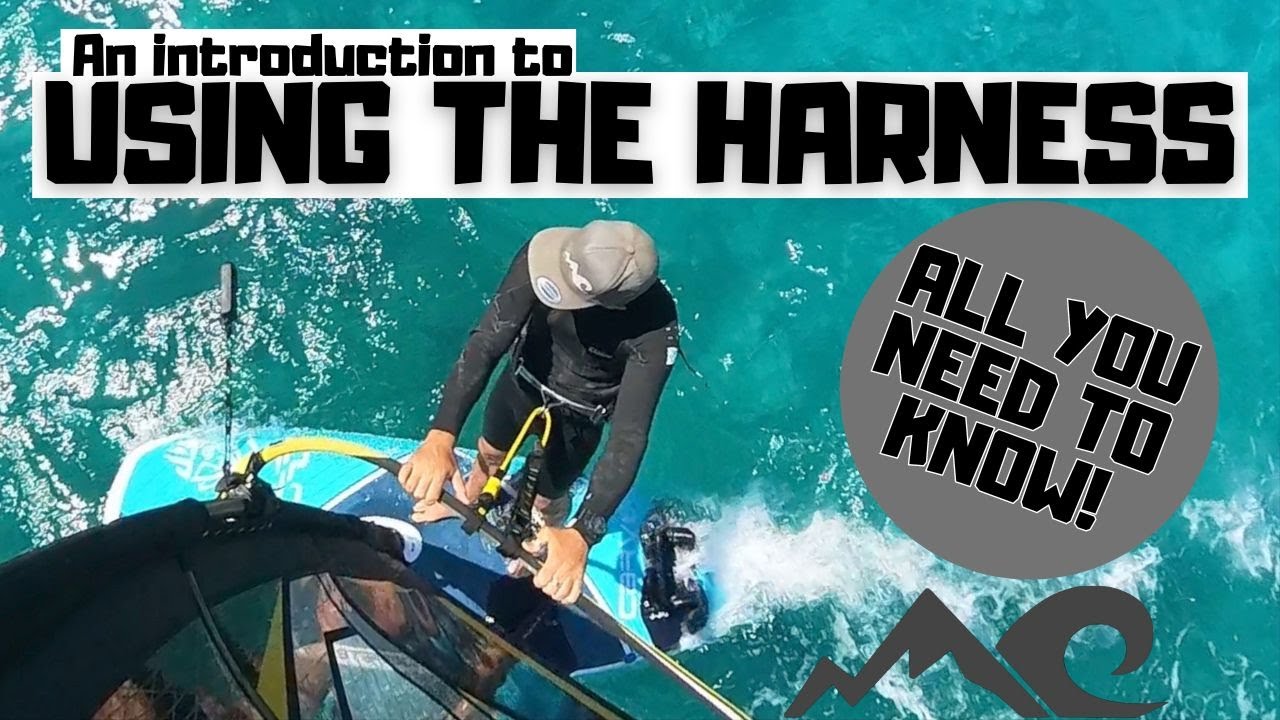
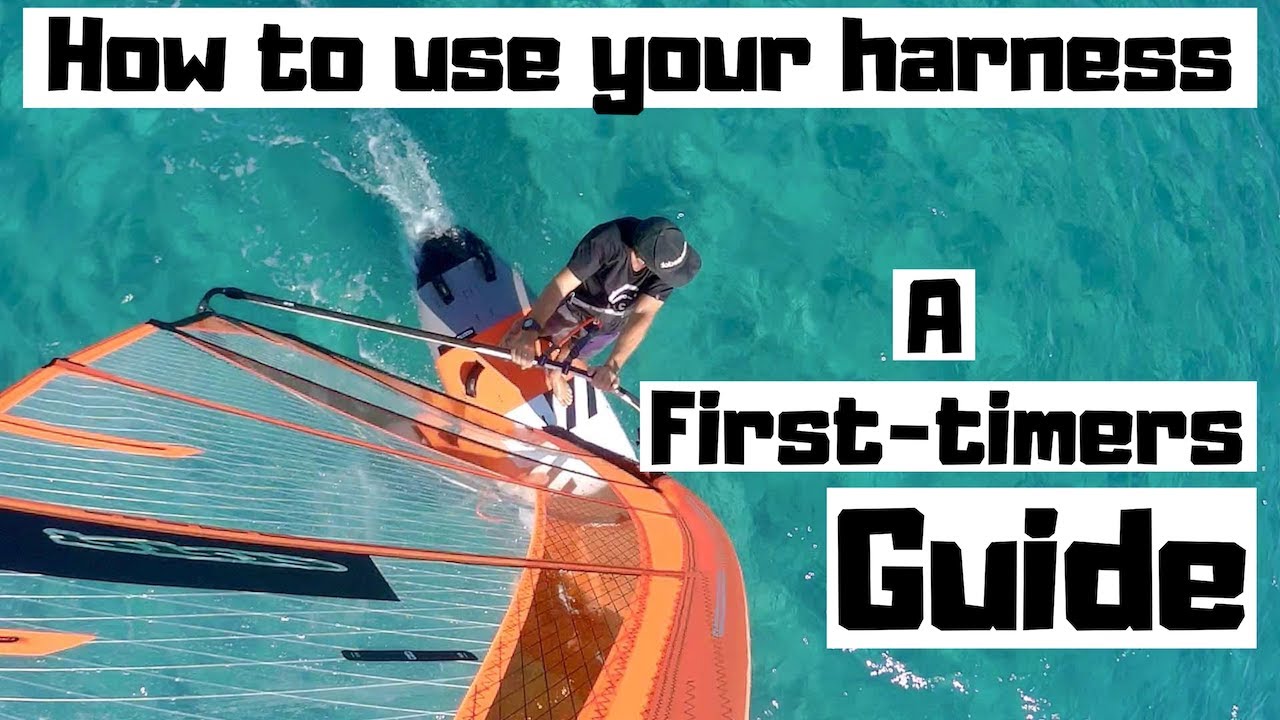
As windsurfers progress from beginner to intermediate and advanced levels, they typically adopt more powerful and heavier equipment. This shift necessitates the use of a harness, which allows riders to manage the sail's power more effectively without relying solely on arm strength. The harness reduces physical strain, enabling longer sessions on the water and improved control over the increased power required for higher speeds.
The integration of a harness is a critical step in a windsurfer's development, moving beyond basic equipment to leverage advanced techniques for performance enhancement. This adaptation not only mitigates fatigue but also unlocks the potential for greater board speed and responsiveness, fundamentally changing the riding experience.
Pre-Hooking Technique Emphasizes Vision and Trim in Windsurfing
Before hooking into a windsurfing harness, riders must establish optimal vision, trim, and counterbalance. Vision involves looking upwind to anticipate gusts and forward to assess water conditions, while trim requires standing slightly back and out on the board to maintain stability. Although vision and counterbalance are momentarily disrupted during the actual hooking process, these elements are crucial for setting up the maneuver correctly.
This precise sequence of actions underscores that advanced windsurfing demands a systematic approach, where each preparatory step influences the success and safety of the subsequent movement. The temporary compromise of vision and counterbalance highlights the nuanced balance between control and execution in high-speed water sports.
Proper Technique for Hooking and Unhooking from Windsurfing Harness
To effectively hook into a windsurfing harness, the rider must steer slightly into the wind to ensure the sail is powered up, bringing the rig closer before engaging the harness. Once hooked in, the rider extends away from the rig, verifying consistent pressure between the harness lines and their body. When unhooking, the process is reversed by pulling the rig in and wiggling free, but riders are cautioned against staring at the harness to avoid losing balance and falling onto the sail.
Mastering these precise maneuvers is essential for safety and performance in windsurfing. The emphasis on returning vision and counterbalance to normal immediately after hooking in, and the warning against visual distraction during unhooking, underscore the critical role of awareness and technique in preventing accidents and maintaining control.
Summarised from Ride-Along Sessions with Cookie! · 15:55. All credit belongs to the original creators. Cookie Windsurf summarises publicly available video content.