Original source: Will Nicholls
This video from Will Nicholls covered a lot of ground. Streamed.News selected 3 key moments and summarises them here. Everything below links directly to the timestamp in the original video.
Stepping onto a windsurf board for the first time can be daunting. Understanding the role of the large, stable beginner board is the first step to mastering the sport and avoiding common frustrations.
Beginner Windsurfers Advised to Start on Large, Stable Boards of 180-240 Liters
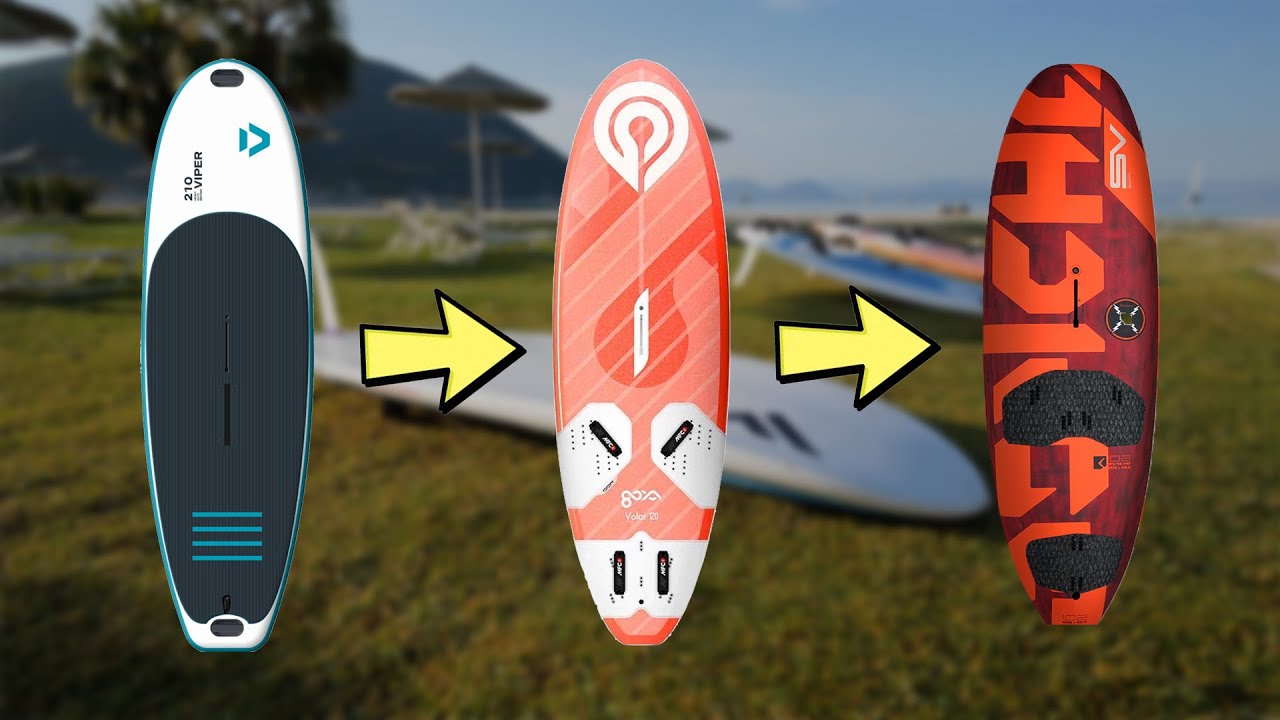
For those new to windsurfing, the ideal starting point is a large, stable board with a volume between 180 and 240 liters. These boards, like the 210-liter Viper HD, are designed for maximum float and ease of use, allowing beginners to learn core fundamentals. A crucial feature is the daggerboard, a retractable fin in the middle of the board that provides extra stability and helps the rider sail upwind. The primary goal on this equipment is to master basic maneuvers such as steering, turning (tacking and jibing), and getting comfortable with the sailing position before considering a move to more advanced gear.
While purchasing a beginner board might seem like a good investment, the recommendation for most novices is to rent from a school or center. This approach is not only more cost-effective but also provides access to professional instruction, which significantly accelerates the learning curve. Progressing to a smaller board should only happen after mastering the fundamentals, particularly the ability to confidently sail upwind. Rushing to a smaller board without this foundation will ultimately hinder, not help, skill development.
"You're not going to speed up your progression by changing boards quickly. You'll speed up your progression by getting the core fundamentals right and then transferring those skills to smaller boards once you've mastered them."
First Shortboard for Intermediates Should Be 60 to 80 Liters Above Body Weight
A windsurfer's first shortboard, designed for the exhilarating feeling of planing across the water, should be a "free ride" model with a volume of 60 to 80 liters more than their body weight. For an 85-kilogram rider, this translates to a board between 145 and 165 liters, such as a Goya Volar 145L or a Fanatic Gecko 148L. These boards are typically wide for stability and lack the daggerboard found on beginner equipment, focusing entirely on helping the rider achieve planing speed. They are also equipped with multiple foot strap positions to facilitate learning intermediate techniques.
This board represents a critical transition in a windsurfer's journey, moving from basic sailing to more dynamic skills like using a harness, water starting, and getting into foot straps. It is often the first major equipment purchase for an enthusiast and serves as a long-term platform for mastering the techniques that define modern windsurfing. Even after a rider progresses to smaller boards, this larger free ride board often remains a valuable part of their quiver for lighter wind days.
"A shortboard is basically just a board that's designed to get planing. Essentially, this is the feeling of skimming across the water instead of pushing through it. At its core, it's what really hooks everyone to wind surfing."
Windsurfers Advised to Downsize Gradually to Smaller Boards for Speed and Control
Once an intermediate windsurfer masters their first shortboard, the next step is to move to a smaller model to increase speed and tackle more challenging conditions. A common mistake is downsizing too drastically; a gradual transition is far more effective for skill progression. An ideal path is to select a smaller version of a familiar free ride board, such as moving from a 148-liter Fanatic Gecko to a 122-liter model. These smaller boards are thinner and shorter, offering less stability at rest but providing greater speed and a more comfortable ride in choppy water once planing.
This progression allows a rider to refine all their existing skills—from planing technique to tacks and jibes—on a more demanding platform. It is recommended to keep the larger, first shortboard for use in lighter winds, creating a two-board quiver that covers a wider range of conditions. Before making this leap, however, a rider must be completely confident sailing upwind and proficient at water starting, as these skills are essential for safety and enjoyment on smaller, less forgiving equipment.
"It's a very common desire for wind surfers in the early stages to downsize as quickly as possible, but be careful not to make too big of a jump too quickly. You're going to progress much faster this way."
Summarised from Will Nicholls · 11:11. All credit belongs to the original creators. Will Nichols Windsurfing Press summarises publicly available video content.