🌐 Also available in: 🇩🇪 Deutsch
Original source: Loftsails
This video from Loftsails covered a lot of ground. Streamed.News selected 2 key moments and summarises them here. Everything below links directly to the timestamp in the original video.
The decision by Loft Sails to abandon monofilm reflects a broader industry challenge regarding material durability and the environmental impact of product obsolescence. This pivot towards more resilient materials could influence consumer expectations and potentially spur similar changes across the windsurfing equipment sector.
Loft Sails to Eliminate Monofilm by 2026 Due to UV Degradation
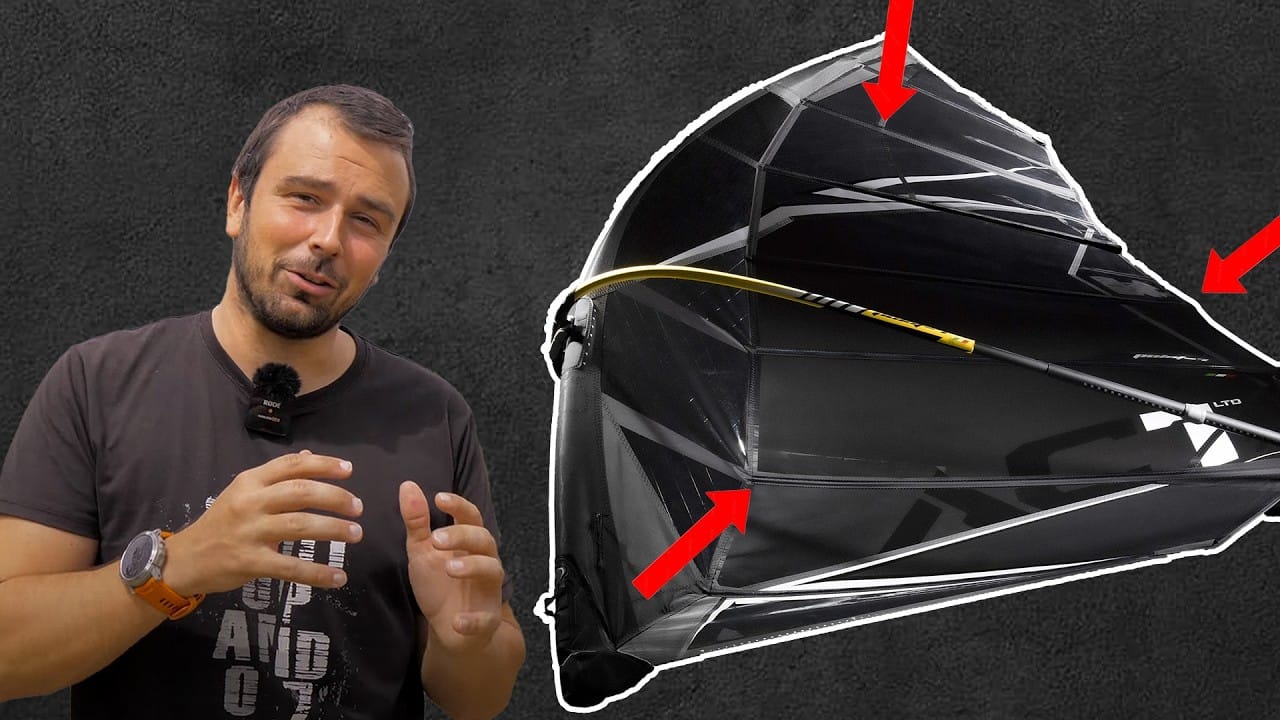
Loft Sails is transitioning to entirely monofilm-free windsurfing sails by 2026, with the exception of one specific raceboard model. This strategic shift is driven by monofilm's inherent susceptibility to ultraviolet (UV) exposure, which significantly reduces sail longevity by degrading the material, often turning it brittle while the rest of the sail remains functional.
The company attributes increased UV resistance to materials like X-Ply, which consists of two monofilm layers glued together, boosting resistance by approximately 100%. Similarly, Loft Sails' colored materials, such as orange and forthcoming white panels, are actually bi-plies, appearing as monofilm but offering enhanced durability. This move underscores a commitment to producing sails with the greatest possible longevity, positioning the company's material choices as a key quality differentiator in the market.
"My goal is to produce the sails that can have the greatest longevity possible. And so, reducing monofilm content to zero was actually a no-brainer."
Global Sourcing and Material Costs Drive Up Windsurfing Sail Prices
The elevated cost of windsurfing sails stems from a complex interplay of material expenses, global sourcing logistics, extensive manufacturing processes, and international shipping. Polyester, the primary component of most sail materials, is a petroleum-based product, making it subject to fluctuating oil prices. Loft Sails sources materials globally, with laminates predominantly from Dimension-Polyant in the USA, requiring shipment to China for assembly.
A single windsurfing sail comprises 300 to 400 individual parts, each requiring precise cutting and assembly, which demands considerable man-hours. Following production, sails are shipped worldwide, incurring additional costs. Despite these factors, Loft Sails maintains that its pricing remains competitive while committing to high-quality, durable materials, notably moving away from cheaper monofilm in favor of more robust laminates.
"Almost all the materials in a windsurfing sail is polyester. Polyester is a petroleum-based product. So the raw materials that go into windsurfing sails, of course, are becoming more expensive."
Summarised from Loftsails · 12:49. All credit belongs to the original creators. Loft Sails Press summarises publicly available video content.